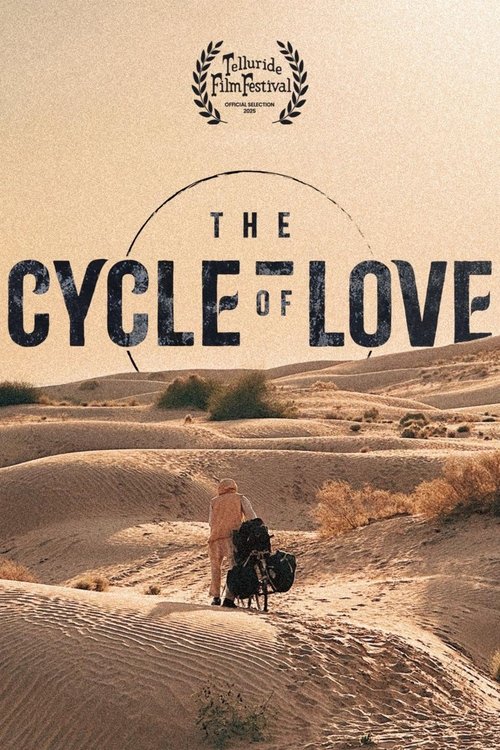





From the description you know this movie’s going to be about love, and you’d be right. But it’s not just about romantic love (which is how it’s being marketed): it’s also about love of others and of humankind, love for one’s mother, and maybe most of all, loving oneself, which is the key to opening your heart to others. Loving oneself is perhaps the hardest for P.K., a 23-year-old street artist in Delhi who was born into the “untouchable” caste and whose psyche was ingrained with feelings of unworthiness through indoctrination and repeated cruel treatment. As he movingly tells us, when he entered the world beyond his love-filled family to go to school, he learned about man’s ability to create institutions and ideologies that instill and perpetuate hate and cruelty. But he’s all-in regarding romantic love: this movie depicts how he set out on bicycle to travel over 6,000 miles in 1977 to reunite with Lotta, a tourist from Sweden who he felt he was destined to marry. Luckily, he’s mostly met with kindness and support throughout his trek, but he’s skeptical and untrusting of this kindness due to his memories of cruel treatment and haunted by feelings of unworthiness of being loved. His transformation toward trusting the kindness of others and overcoming his feelings of unworthiness is very moving, especially since the real-life P.K. is such a pure soul who speaks straight from the heart that you want nothing but the best for him. The movie is best seen as a dramatic recreation of P.K.’s journey, with documentary elements such as present-day interviews of P.K. and Lotta and archival and home movies and photos from around that time. It’s cleverly and suspensefully constructed and beautifully shot and acted, and the only thing that’s a bit questionable is the inclusion of present-day conversations with others that are inserted into the dramatic recreation. Still, this doesn’t seriously mar what is otherwise a very special, very moving movie, and yes, don’t forget to bring Kleenex.