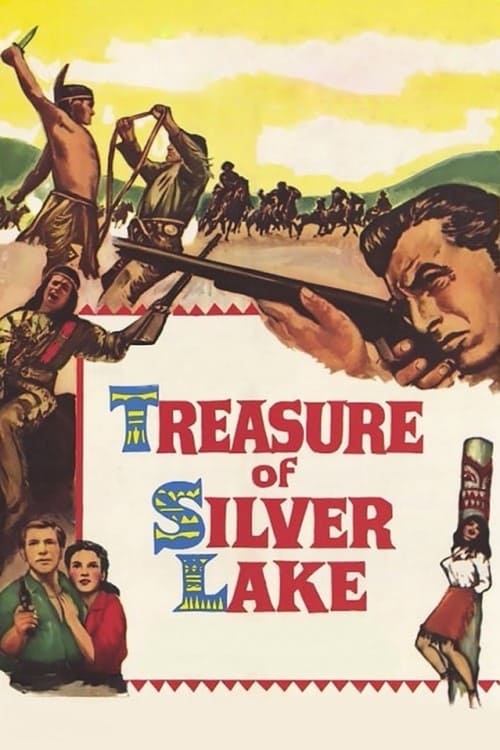


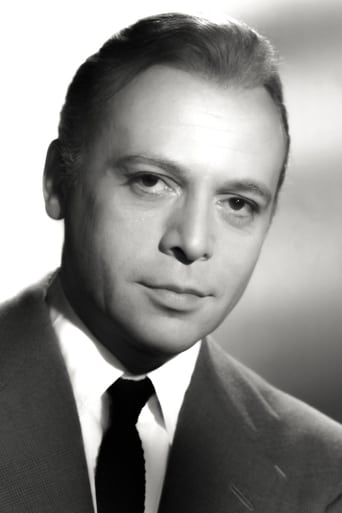

Karl May wrote a series of what he claimed were semi-autographical books about the American west in the 1880's, despite never having set foot there. They were hugely popular in his native Germany, but the books are often stamped as fascist how-to manuals because he was Hitler's favorite author, even buying them in bulk for the troops. I get it - we are pattern seeking animals and we love to look for answers, ways to make the world make sense. But you know who else was a big fan? Einstein. And you know who else? Just about everyone who grew up in Germany at that time. And to be clear, Hitler didn't love it because somehow it laid out some sort of genocide program against the native Americans (on the contrary, the hero is a friend to the natives and the villains are usually Anglo-Saxon businessmen buying up property or something), rather, he thought the stories demonstrated how superior technology could be decisive in battle. The hero, Old Shatterhand, for example, had a repeater rifle that terrified everyone because he could fire so many bullets so quickly. But mostly, these were books that kids grew up reading and were fond of as adults.But no movie had ever been made of Karl May's westerns until Rialto Films, having great success with Edgar Wallace, decided to take a chance on a Karl May property, mainly because they went out of copyright in 1962 and there was a publishing boom of his books and were fair game to adapt into movies. Another reason this looked like an attractive bet for a movie was because a live Karl May performance was being held every year in Bad Segeburg and was hugely popular - and in fact it is still being held today. The original books were more concerned with the German immigrant experience, but the movie version was made for an international audience that longed for the simple good vs. evil stories of the classic western, writ large on the big screen. It was the no.1 box office hit that year for Germany over James Bond and everything else and spawned almost a dozen more movies based on books by May. The cast is really strong, though Karin Dor in particular doesn't have much to do. Gotz George and his muscular athleticism provide some of the more exciting moments of the film, after discovering his father had been killed. Herbert Lom is at his peak as the villainous leader of a ragtag gang of cutthroats who killed him in order to get his hands on a map to treasure. Oh, and Eddi Arent, dear Eddi, is brought in for comedic relief, a butterfly hunter in a pith helmet. But the movie belongs to the heroic duo Old Shatterhand and Winnetou - Lex Barker and Pierre Bryce. Bryce was the real breakout star, a French actor turned Apache Chief.The movie at almost two hours long, feels epic and is divided into two halves. The first, the gang lays siege to a ranch to try to get hold of the treasure map. In the second half, the heroes and the gang are in a race to get to Silver Lake first to get to the treasure. The landscape they traverse is spectacular - and it's Yugoslavia. It reminded me of some of the breathtaking shots of New Zealand in Lord of the Rings, it's a similar kind of experience that benefits from Martin Böttcher's dramatic score. Reading contemporary reviews in Variety and other sources I found some reviewers complaining about the film's authenticity - the exact same criticism that could be leveled against it today. But I ask you: what could be more authentic than to shoot a movie based on a German author's complete fabrication of what the American west was like, with no first-hand knowledge whatsoever, in Yugoslavia, with European actors playing almost all the roles? This feels like exactly the right level of authenticity such a project demands, which is to say, none at all.List: Karl May and the West German Western 1962-1970