Bertolt Brecht
Writing
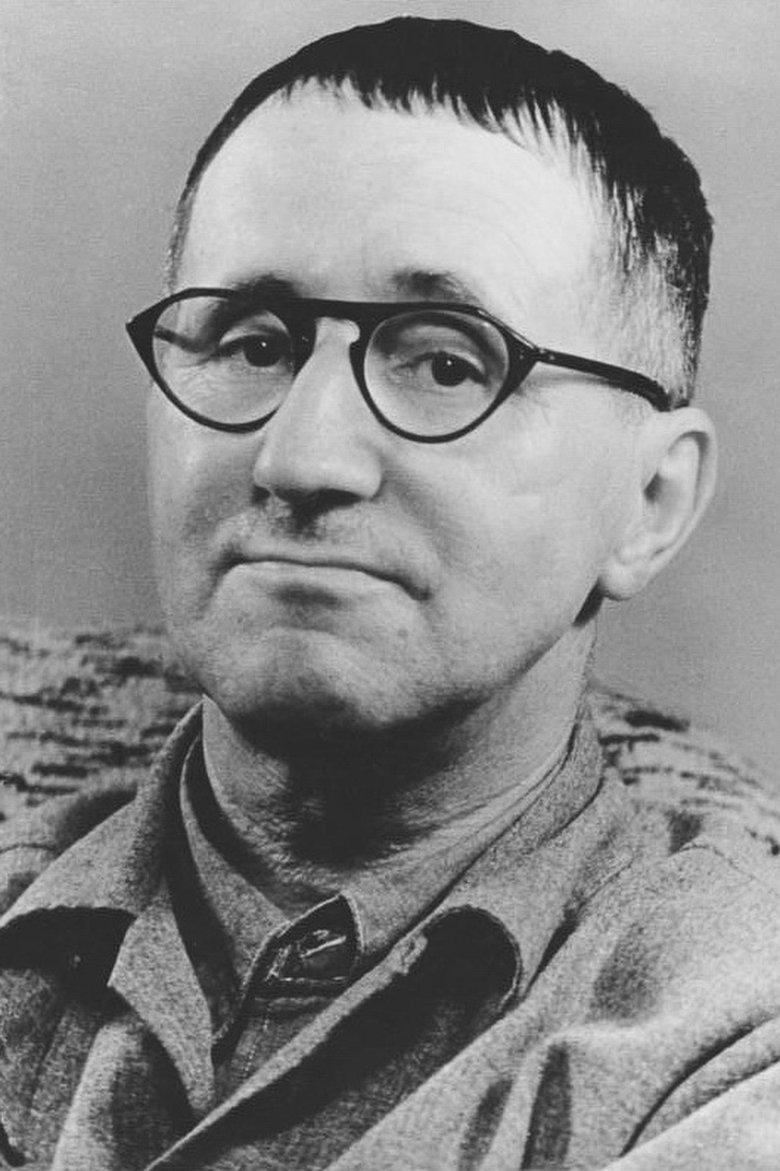
Eugen Berthold Friedrich Brecht (10 February 1898 – 14 August 1956), known as Bertolt Brecht and Bert Brecht, was a German theatre practitioner, playwright, and poet. Coming of age during the Weimar Republic, he had his first successes as a playwright in Munich and moved to Berlin in 1924, where he wrote The Threepenny Opera with Elisabeth Hauptmann and Kurt Weill and began a lifelong collaboration with the composer Hanns Eisler. Immersed in Marxist thought during this period, Brecht wrote didactic Lehrstücke and became a leading theoretician of epic theatre (which he later preferred to call "dialectical theatre") and the Verfremdungseffekt. When the Nazis came to power in Germany in 1933, Brecht fled his home country, initially to Scandinavia. During World War II he moved to Southern California, where he established himself as a screenwriter while being surveilled by the FBI. In 1947, he was part of the first group of Hollywood film artists to be subpoenaed by the House Un-American Activities Committee for alleged Communist Party affiliations. The day after testifying, he returned to Europe, eventually settling in East Berlin, where he co-founded the theatre company Berliner Ensemble with his wife and long-time collaborator, actress Helene Weigel. Description above from the Wikipedia article Bertolt Brecht, licensed under CC-BY-SA, full list of contributors on Wikipedia.
Stücke mit Bertolt Brecht, die jetzt laufen
Jetzt auf der Bühne2
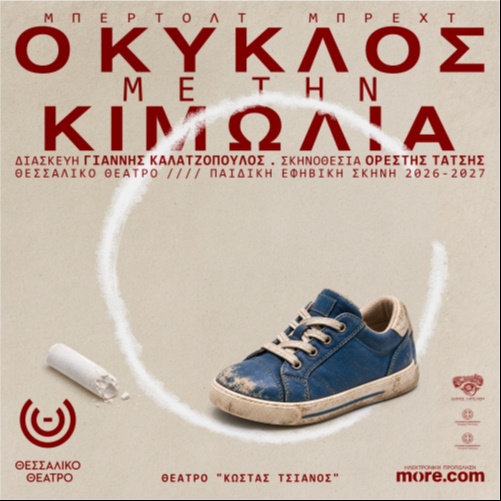

Filmografie von Bertolt Brecht
Filmografie99

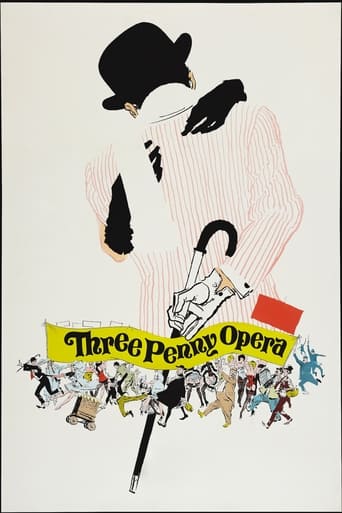


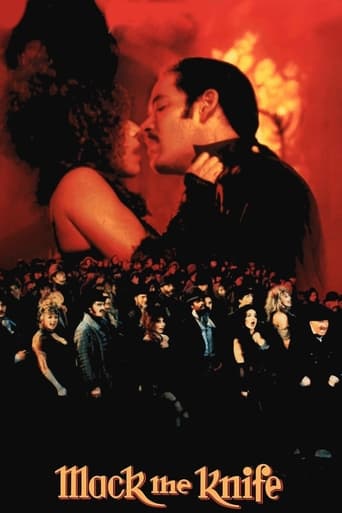
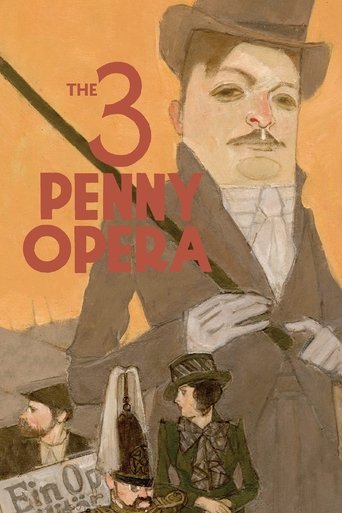










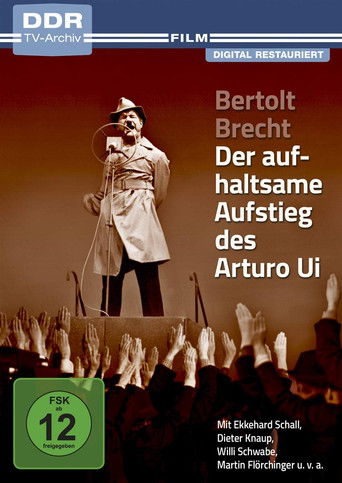
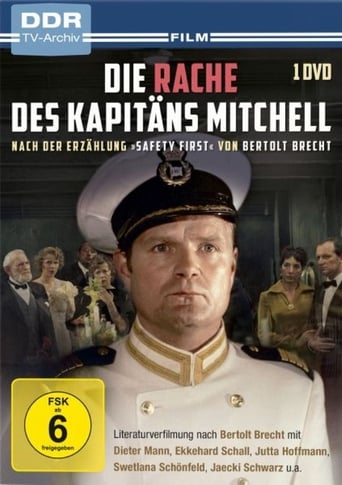

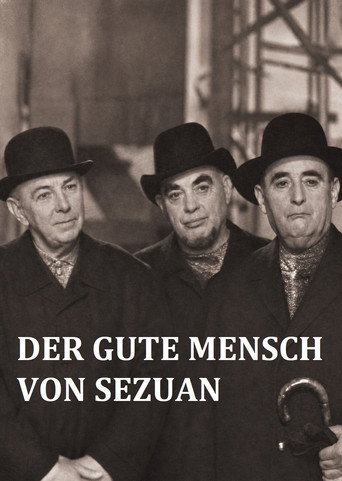


Erfahre, wann der nächste Film von Bertolt Brecht startet
Einmal folgen - wir sagen dir Bescheid, sobald er ins Kino kommt.


Häufige Fragen
Wer war Bertolt Brecht?+
Bertolt Brecht war ein bedeutender deutscher Theatermacher, Dramatiker und Dichter, der die Theorie des epischen Theaters entwickelte und das Berliner Ensemble mitbegründete.
Wofür ist Bertolt Brecht bekannt?+
Er ist vor allem für seine einflussreichen dramatischen Werke und Drehbücher bekannt, darunter Die Dreigroschenoper und Kuhle Wampe.
Welche Theaterkonzepte hat Bertolt Brecht entwickelt?+
Er vertrat das epische Theater, das dialektische Theater und den Verfremdungseffekt, um zu verhindern, dass sich das Publikum passiv mit den Figuren identifiziert.