
Dario Fo
Writing
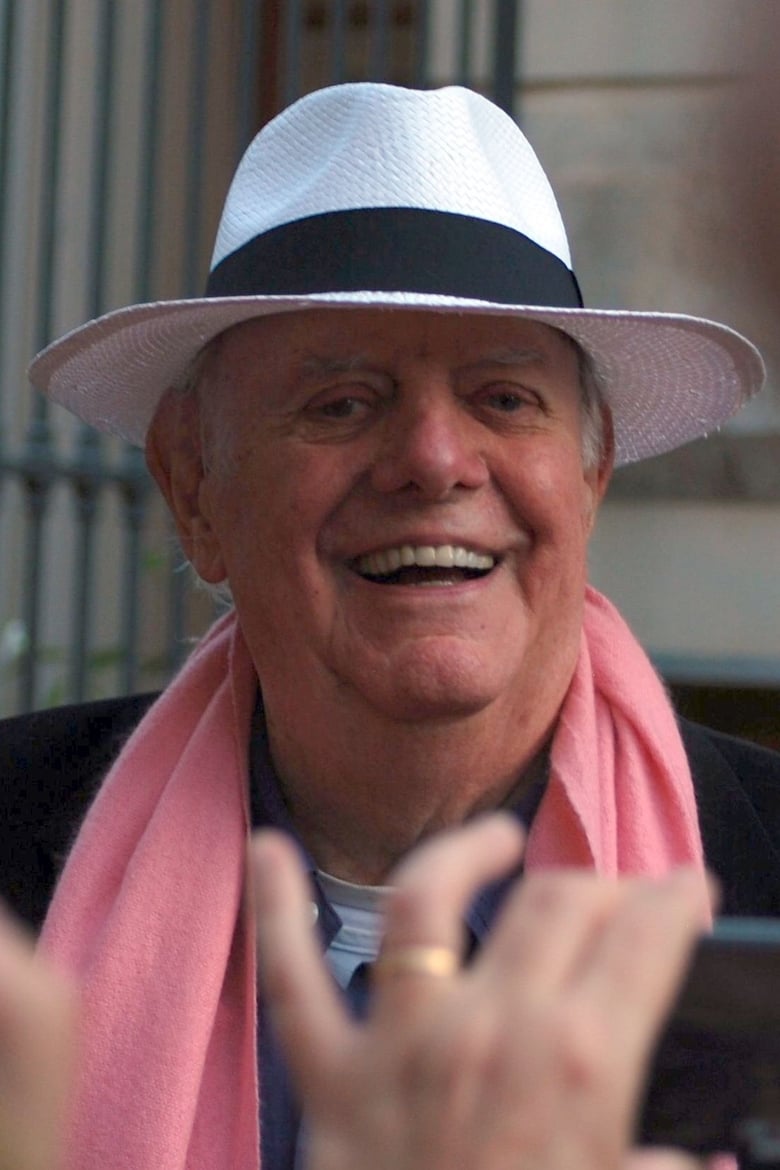
From Wikipedia, the free encyclopedia Dario Fo (born 24 March 1926) is an Italian satirist, playwright, theatre director, actor, composer and recipient of the 1997 Nobel Prize in Literature. His dramatic work employs comedic methods of the ancient Italian commedia dell'arte, a theatrical style popular with the working classes. Fo's works are characterised by criticisms of organised crime, political corruption, political murders, most of the Catholic Church doctrine and conflict in the Middle East. His plays often depend on improvisation, commedia dell'arte style. His plays, especially Mistero Buffo, have been translated into 30 languages and, when performed outside Italy, they are often modified to reflect local political and other issues. Fo encourages directors and translators to modify his plays as they see fit, as he finds this in accordance to the commedia dell'arte tradition of on-stage improvisation. Fo currently owns and operates a theatre company with his wife, actress Franca Rame. Upon awarding him the 1997 Nobel Prize in Literature, the committee highlighted Fo as a writer "who emulates the jesters of the Middle Ages in scourging authority and upholding the dignity of the downtrodden". Description above from the Wikipedia article Dario Fo, licensed under CC-BY-SA, full list of contributors on Wikipedia.
Stücke mit Dario Fo, die jetzt laufen
Jetzt auf der Bühne1
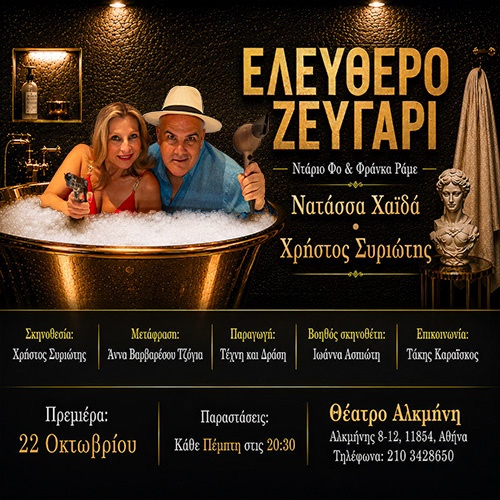
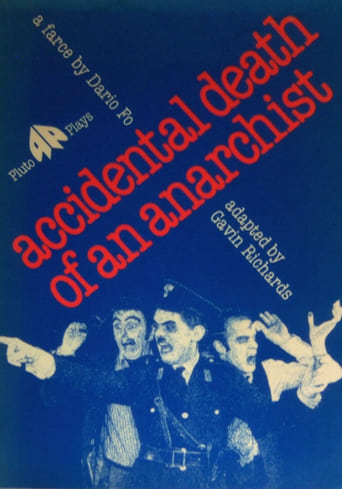
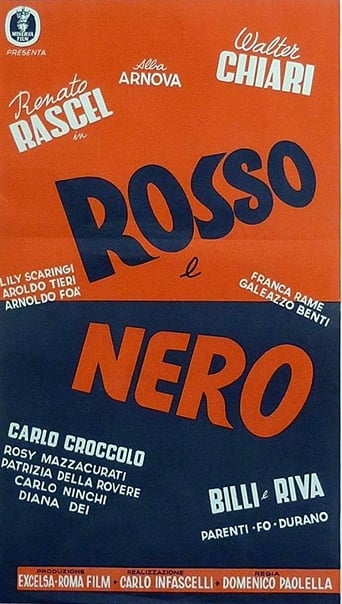
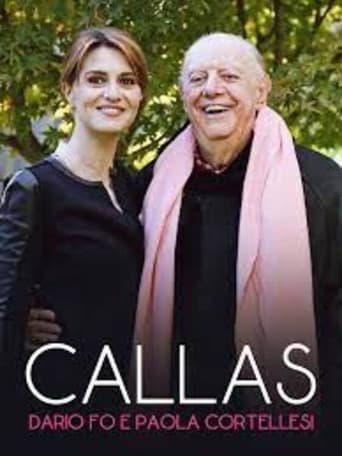
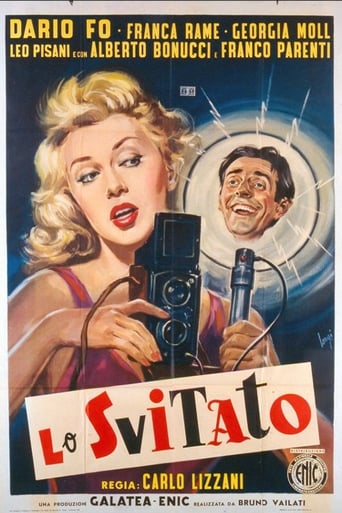
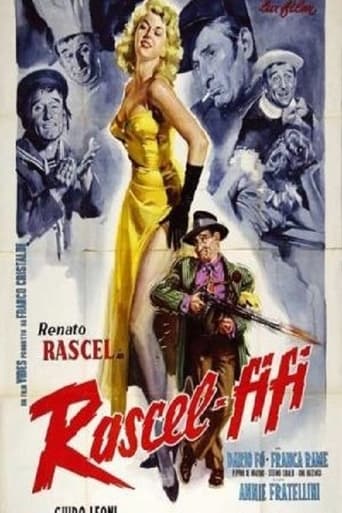
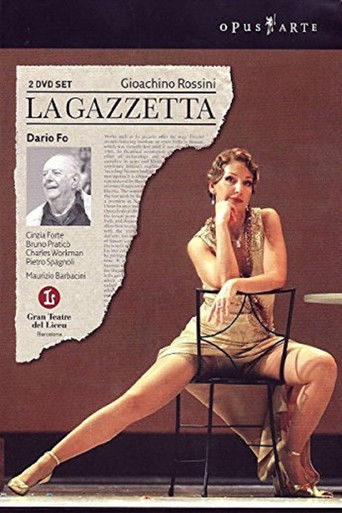
Filmografie von Dario Fo
Filmografie35
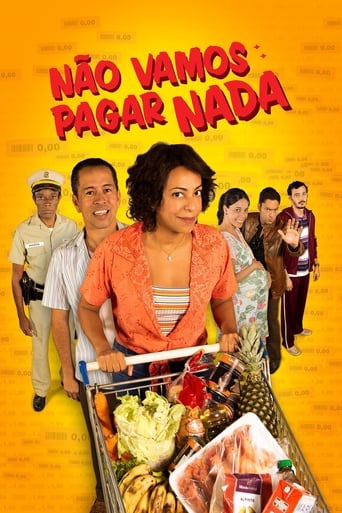
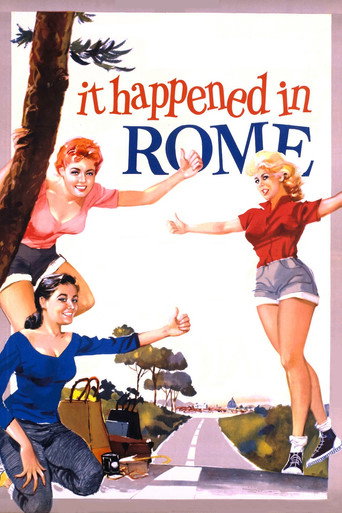






Erfahre, wann der nächste Film von Dario Fo startet
Einmal folgen - wir sagen dir Bescheid, sobald er ins Kino kommt.


Häufige Fragen
Wer ist Dario Fo?+
Dario Fo war ein gefeierter italienischer Dramatiker, Schauspieler, Regisseur und Träger des Literaturnobelpreises von 1997, bekannt für seine politisch geladenen satirischen Werke.
Wofür ist Dario Fo bekannt?+
Er ist vor allem für seine theatralischen Meisterwerke wie Mistero Buffo bekannt, die Traditionen der Commedia dell'arte nutzen, sowie für seine Drehbuch- und Schauspieltätigkeit im italienischen Kino.
Welche Art von Werk schafft Dario Fo?+
Sein Schaffen ist stark geprägt von politischer Satire, Improvisation und den Theatertraditionen der Arbeiterklasse.