Vasilis Vasilikos
Writing
Vassilis Vassilikos (Greek: Βασίλης Βασιλικός, born November 18, 1934) is a prolific Greek writer and diplomat. A native of the northern Greek island of Thassos, Vassilikos grew up in Salonika, graduating from law school there before moving to Athens to work as a journalist. Due to his political activities, he was forced into exile following the 1967 military coup, where he spent the next seven years. Between 1981 and 1984 Vassilikos served as general manager of the Greek state television channel ET1. Since 1996, he has served as Greece's ambassador to UNESCO. As an author, Vassilikos has been highly prolific and widely-translated. He has published more than 100 books, including novels, plays and poetry. His best known work is the political novel Z (1967) (English language ISBN 0-394-72990-0 or ISBN 0-941423-50-6), which has been translated into thirty-two languages and was the basis of the award-winning film Z directed by Costa-Gavras (with music by Mikis Theodorakis). In 2008, Vassilikos was among to 41 other personalities of Greece that condemned the action of the withdrawal of Ersi Sotiropoulos's book Zigzag Through the Bitter-Orange Trees from the Greek school libraries, after the appeal of insurance measures by Konstantinos Plevris against to the Ministry of National Education of Greece for this issue. In 2001, Petros Tatoulis had asked the withdrawal of this specific book and he characterized this as pornographic due to the provocative sexual scenes that it contains. Description above from the Wikipedia article Vassilis Vassilikos, licensed under CC-BY-SA, full list of contributors on Wikipedia.
Stücke mit Vasilis Vasilikos, die jetzt laufen
Jetzt auf der Bühne1

Filmografie von Vasilis Vasilikos
Filmografie14








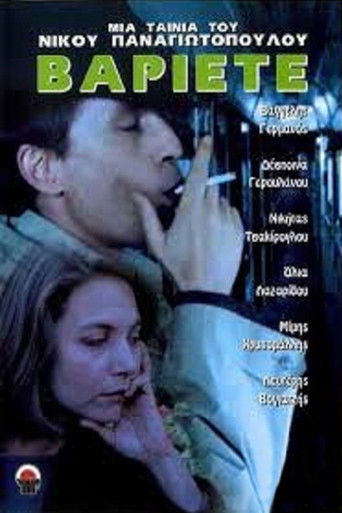

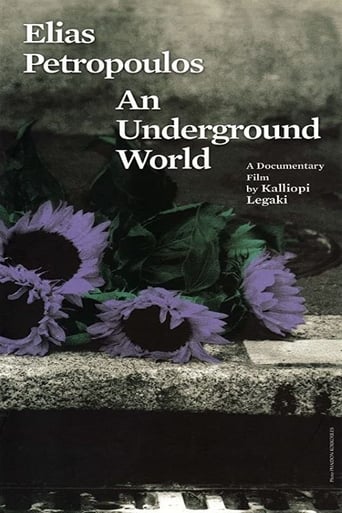

Erfahre, wann der nächste Film von Vasilis Vasilikos startet
Einmal folgen - wir sagen dir Bescheid, sobald er ins Kino kommt.


Häufige Fragen
Wer ist Vasilis Vasilikos?+
Vasilis Vasilikos war ein produktiver griechischer Schriftsteller, Diplomat und Drehbuchautor, der für sein umfangreiches literarisches Schaffen und sein politisches Engagement bekannt ist.
Wofür ist Vasilis Vasilikos bekannt?+
Er ist vor allem für die Verfassung des politischen Romans Z bekannt, der als Grundlage für die preisgekrönte Verfilmung von Costa-Gavras diente.
Mit welchen Kultur- und politischen Institutionen war Vasilis Vasilikos verbunden?+
Er war als griechischer Botschafter bei der UNESCO tätig und leitete den griechischen Staatssender ET1.