
Band of Holy Joy
Κομμάτια5
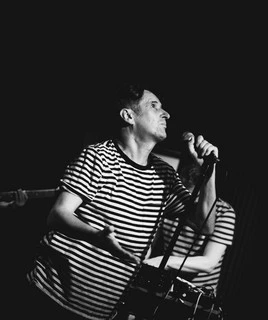
Formed from the ashes of an unrecorded '77 punk band, Speed, Band Of Holy Joy's initial musical forays were largely in the domain of industrial bricolage and occasional bursts of madness. By the time they began releasing records under their own name in the 1980s, the band's humanist tendencies came to the fore, with astounding portraits of people on the periphery, resulting in such classics as Rosemary Smith, Mad Dot and Don't Stick Knives In Babbies Heads. The sharp sensibilities of founder and leader Johny Brown eventually led to a star-making deal with Rough Trade, a few near hits and career momentum shattered when the label collapsed mere days after what might have been the band's breakthrough album. Slowly, a new Band Of Holy Joy has blossomed. In some aspects, they're an art collective. Inspired by the possibilities which burst forth after punk, the band's expression takes many forms. Visual artist Inga Tillere plays a large role in shaping the band's aesthetic and live events, and in musical foil James Stephen Finn, Johny's poetic vision transcends expectations without resorting to desperate reaches into esoterica.
Δεν έχουν ανακοινωθεί ημερομηνίες ακόμα
Ενημερώσου μόλις ανακοινωθεί νέα εμφάνιση από Band of Holy Joy.
Νέες ημερομηνίες για Band of Holy Joy, πρώτα στο app
Κάνε follow και θα σου πούμε μόλις ανακοινωθεί νέα ημερομηνία.


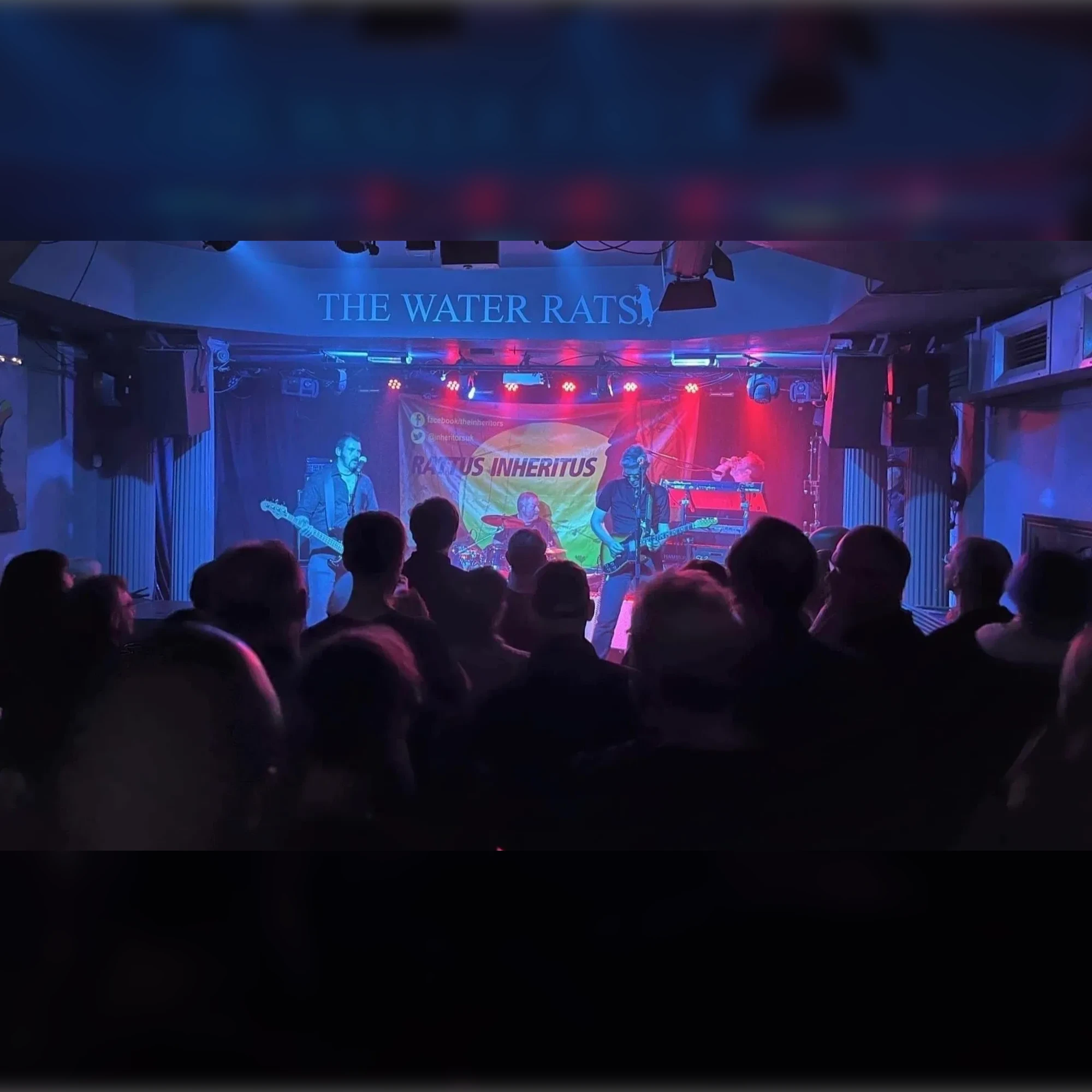
Χώροι όπου παίζει Band of Holy Joy
Παίζει σε
Μουσικό προφίλ
ΕΝΕΡΓΕΙΑ
45
ΦΙΝΕΤΣΑ
50
ΕΜΠΟΡΙΚΟΤΗΤΑ
35
ΣΤΥΛ
40
ΤΟΠΙΚΟΤΗΤΑ
70
ΝΟΣΤΑΛΓΙΑ
60
ΗΛΙΚΙΑ
65
Συχνές ερωτήσεις
What kind of music does Band of Holy Joy play?+
Band of Holy Joy blends art pop, post-punk, and urban folk, evolving from industrial roots to create poetic narratives and social commentary, with releases on Tiny Global Productions.
How can I find out when Band of Holy Joy is playing?+
Follow Band of Holy Joy on Mood to stay informed about their upcoming performances and releases.
Who are the members of Band of Holy Joy?+
The core members of Band of Holy Joy include Johny Brown, Brett Turnbull, Martine Thoquenne, George Lovell, and Big John (John Jenkins).
Where is Band of Holy Joy from?+
Band of Holy Joy originated in New Cross, London, UK, in the mid-1980s.
Related searches
- band of holy joy concerts london
- band of holy joy tour dates
- band of holy joy music
- artists like band of holy joy
- johny brown band of holy joy