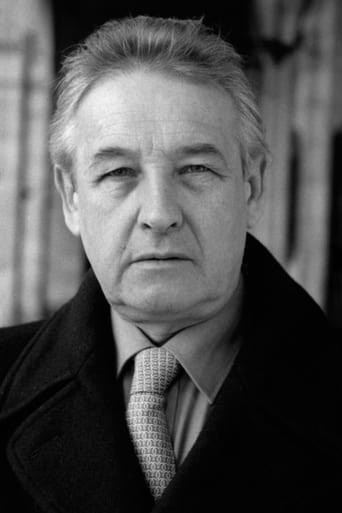
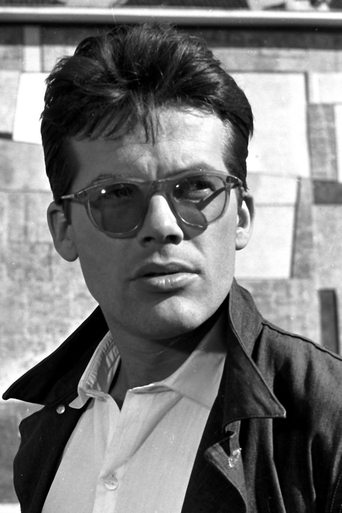

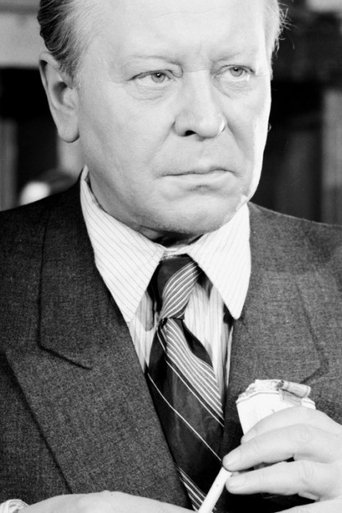
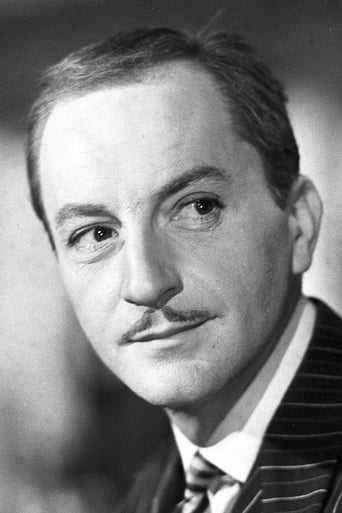
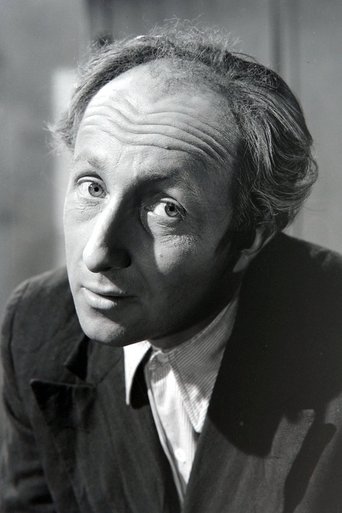

One of the many perils of being a modern movie watcher is that sometimes you’ll watch a movie that’s 60 years old and see a guy who looks exactly like Colin Cowherd
Σκηνοθεσία Andrzej Wajda
Ashes and Diamonds
Ζοφερό δράμα με διθυραμβικές κριτικές
Στη διάρκεια της πρώτης μέρας ανεξαρτησίας της Πολωνίας, μετά το τέλος του Δευτέρου Παγκοσμίου Πολέμου, δυο μέλη μιας εθνικιστικής αντιστασιακής οργάνωσης καλούνται να εξοντώσουν τον νεοεκλεγέντα εκπρόσωπο του Κομμουνιστικού Κόμματος. Ένας λάθος υπολογισμός, ωστόσο, τους αναγκάζει να καταφύγουν στην πλησιέστερη κωμόπολη προκειμένου να συναντήσουν εκεί τον στόχο τους. Μέσα από απανωτά παιχνίδια της τύχης, το νεαρότερο μέλος της αποστολής θα ερωτευτεί και θα συνειδητοποιήσει τον παραλογισμό του δολοφονικού τους εγχειρήματος, όταν όμως το ξημέρωμα φτάσει, θα συναντηθεί με το πεπρωμένο του.
Η «Στάχτες και Διαμάντια» παίζεται σε 1 σινεμά στη Νέα Υόρκη - επόμενη προβολή Πέμπτη 22 Οκτωβρίου στις 17:50 στο Film Forum.
Επόμενες προβολές: Πέμπτη 22 Οκτωβρίου.
Πλήρες πρόγραμμα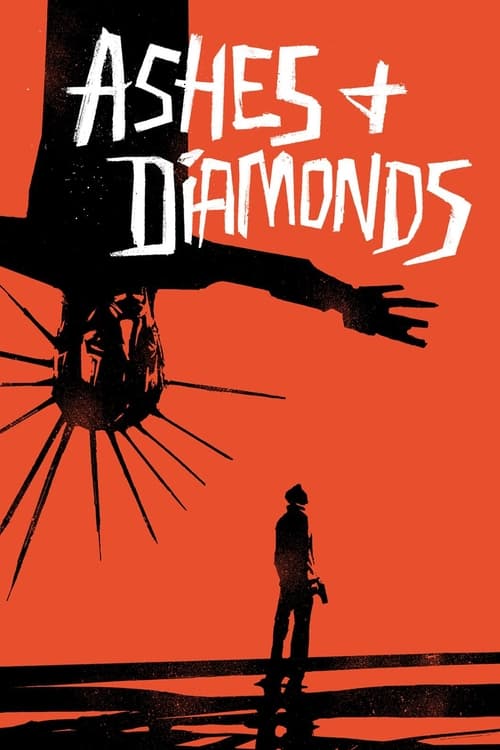
Προβολές για Στάχτες και Διαμάντια, ενημερωμένες κάθε πρωί
Διάλεξε σινεμά και πάρε υπενθύμιση πριν κατέβει.
One of the many perils of being a modern movie watcher is that sometimes you’ll watch a movie that’s 60 years old and see a guy who looks exactly like Colin Cowherd

Men will literally die for their country before talking to a girl

Flowers of love will rise from the ruble and ruins. Ashes of war give way to a love as bright as diamonds.Post-war expressionism that is equal parts a statement on the importance of swift and decisive action in one’s life as it is a political commentary concerning the landscape of Poland immediately following conclusion of WWII. The film chronicles events in the lives of two former Home Army soldiers after the war. Maciek, a young, efficient killer who seeks a better life consisting of his studies and a new-found true love and Andrzej, his older, more committed, serious and focused superior. Their relationship illustrates the generational gap between the younger and older freedom fighters of this era. Krystyna is a local Hotel bartender and the love interest of Maciek. She represents all of the Polish citizens caught in the middle of this conflict between the Polish Workers’ Party and the vehemently Anti-communist resistance, wanting nothing more than some sense of peace and stability.Decisions are made based on emotion and intuition. At first, Maciek uses his brain—his intuitive instincts he has accumulated through his time in battle—to go about his dangerous missions a freedom fighter. After encountering and falling for the ravishing Krystyna though, his outlook on life starts to change. He begins to decide which moves to make and paths to follow based more on his emotions than before and now has to navigate this internal struggle between his feelings for Krystyna and for the resistance. This indirectly proves to be his downfall, because—while the exact occurrence that leads do his death is not correlative to this conflict of emotions—a simple bump into the wrong person who discovers he is armed is all it took to bring his life to an abrupt halt and he may or may not have met the same fate regardless of this emotional awakening. If that doesn’t perfectly describe the breaks of war-afflicted existence in a microcosm as well as the fragility and volatility of this time and place, I don’t know what does.Striking compositions pervade the entire film. Ashes and Diamonds is not just an important film socially and politically, but it is also a marvelous piece of art in terms of the kinds of camerawork, framing, blocking, use of light and gorgeous overall shot structure that Wajda utilizes to tell this story. Artifice here is used to punctuate the tension and the conflict ever-so-present amongst the Polish population circa 1945. A perfect example would be the haunting shot of Maciek and Krystyna out walking and having a chat late at night; we can hear their conversation prior to them entering frame and as we wait for them to appear, the camera is focused on what appears to be a statue of Christ hanging upside down with these long spikes sticking out of its head from every angle. Maciek and Krystyna discuss love and life and when they enter the shot, the disturbing image of this statue remains in the foreground as the camera observes the dilapidated architecture of a city decimated by the unflinching brutality of battle; a haunting reminder of the inescapability of their surroundings and permanent damage done to both the country and its inhabitants.Flawlessly presented, this masterwork of Polish cinema is, by far, one of the most transgressive adaptations of a novel ever put to celluloid. Andrzej Wajda subverts the source material’s stance on the political and moral dilemmas facing his country in 1945 by sympathizing with and focusing in on the resistance instead of the Communist party in power at the time, as opposed to the way the novel looks more at the Party than its resistance. It’s a genius and incredibly bold move given the politics of 1958 when the film was made. Not until the Revolutions of 1989 in Poland did this film become controversial; surprisingly though, other than being denied a screening at Cannes the year of its release, Ashes and Diamonds was not met with much opposition from the Communist government. It holds up as one of cinema’s most potent and well-structured works of all time.
Διαδραματίζεται την πρώτη ημέρα ειρήνης μετά τον Β' Παγκόσμιο Πόλεμο, όπου ένας νεαρός Πολωνός μαχητής της αντίστασης λαμβάνει εντολή να δολοφονήσει έναν κομμουνιστή αξιωματούχο, ενώ ταυτόχρονα παλεύει με αυξανόμενες αμφιβολίες και μια ξαφνική ερωτική σχέση.
Το "Ashes and Diamonds" σκηνοθετήθηκε από τον Αντρέι Βάιντα το 1958, ολοκληρώνοντας την αναγνωρισμένη τριλογία του για τον πόλεμο.
Η ταινία κέρδισε το Βραβείο FIPRESCI στο Φεστιβάλ Κινηματογράφου της Βενετίας το 1959.