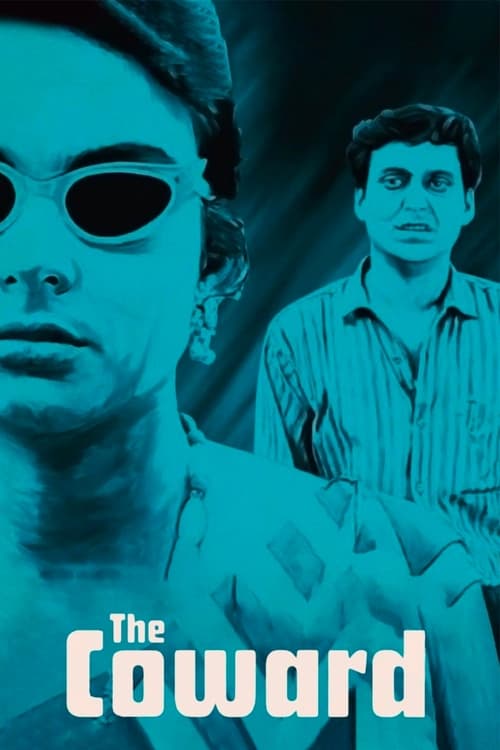


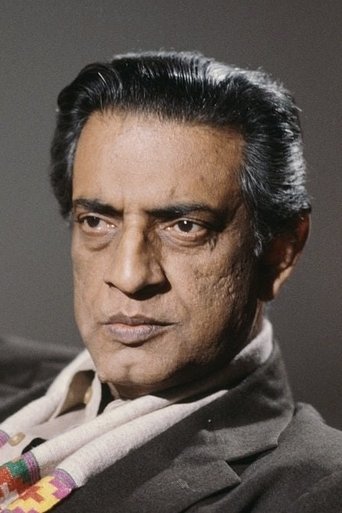

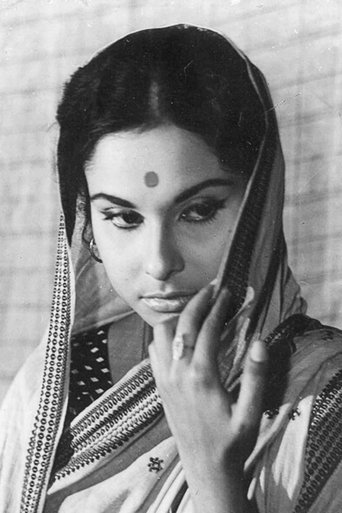
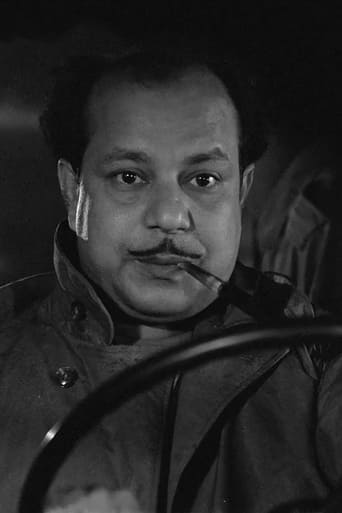

A man caught in a mirror. The Coward is a story of a man facing his past, colliding with fate which has returned to him an opportunity he once squandered. The film is simple, just the story of a man who meets a woman he used to love. He made mistakes and let love pass him by. That is cowardice which truly eats the soul. The Coward is a harsh movie, one where a man is weakened by self-loathing and self-pity. Life is a collection of moments in the wind, scattering away unable to be caught. As he mourns his life, she gives no answer to his questions. She has power over him, because she doesn't need him. One component of The Coward is the nature of love and whether love can be built upon practical, non-emotional decisions rather than romance. There are discussions on the changes in Bengal society, with notions of change still needed, to both remove the shackles of British colonialism and yet also to modernise by moving away from tradition. The Coward is about change within individuals, and how their decisions feed into their regrets, but it is also about change in the abstract. Satyajit Ray constructs this chamber piece with beautifully simple cinematography that tends to just flow around the characters, but it also has many dramatic, distinctive shots used for emotional emphasis. This is a film of big emotions contained within words that are unspoken. It is a visual experience, bolstered by great acting, notably from Madhabi Mukherjee, one of the greatest Indian actresses and an essential part of many Ray films. In The Coward she is presented as a mystery, either forgiving or vengeful depending on interpretation. The film ends with an incredibly cruel twist, that solidifies The Coward as an extraordinary and powerful work. It is a film of love in the most human of ways, exploring what it means in a world where few are brave enough to be romantic. In such a world, love must be a compromise. Cowardice comes both from failing to follow love and also failing to accept when such love has passed. The Coward is a film cold enough to burn, a sad masterpiece that highlights unending regret in the simplest of ways.My Top Films of the 1960s