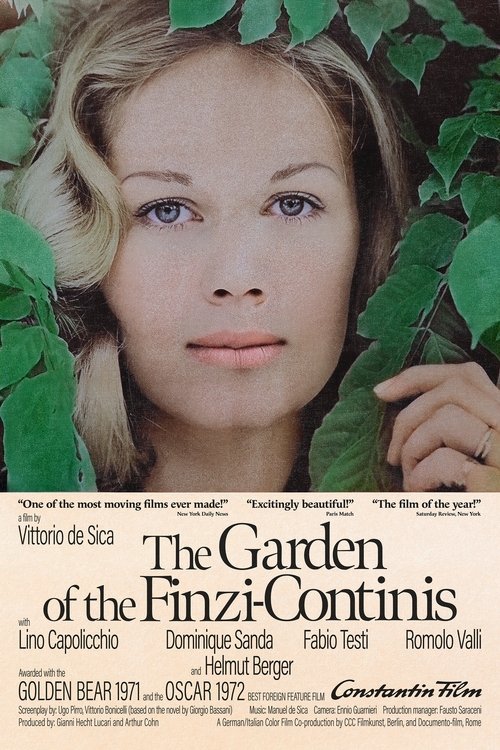
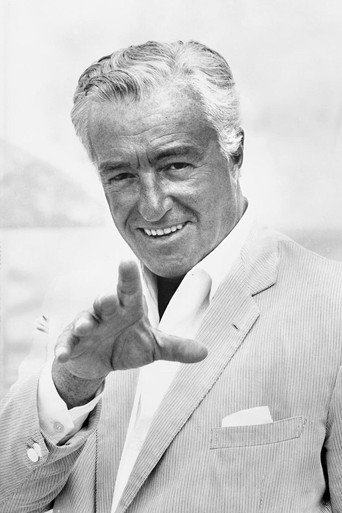
late work of the grand Vittorio de Sica and you'll let this one pass for one of the greatest and his oeuvre. the neorealistic, socially connoted objectives of his early classics are traded in for a straight storyline about the ostracism of the jews in fascist italy of the war years. rather a stylish endeavour - sun-flooded scenarios and symbolically dressed up protagonists for example - this has the trauma of a country in his very center. a crystal-clear melange of ingredients that would cash in for the Berlinale bear and the foreign Oscar. De Sica delivers like the mailman, and surely he deserves all the prizes in the world (take those for his oeuvre rather than this single film), however as an aficionado you'll miss his direct-to-the-soul warm-heartedness in this one.
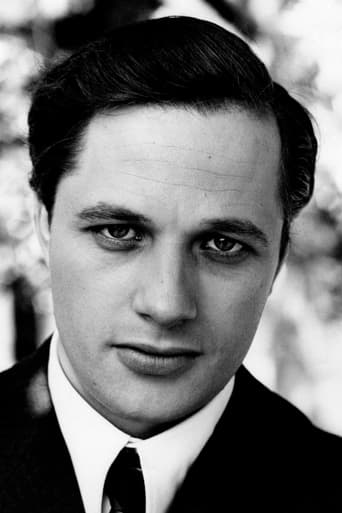
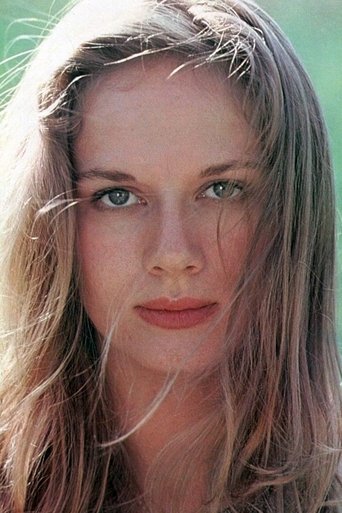
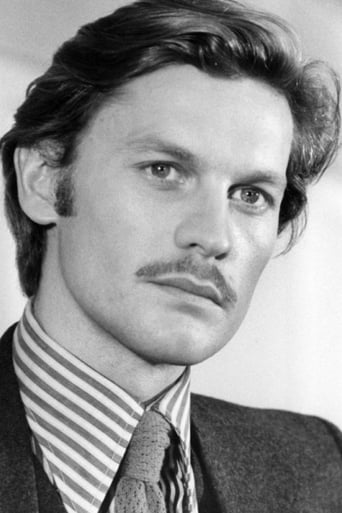
In life, if one wants seriously to understand how the world works, one must die at least once.This may well be the most soft-spoken, elegiac film ever made about the Holocaust and all the more affecting for it. The movie was hailed as a much welcomed return to form for legendary neo-realist director Vittorio De Sica after years of broad, commercial comedy entertainment. Seems like it is rarely spoken of today, considering it had been awarded the top prize at the Berlin Film Festival as well as the Oscar for best foreign language film. The story is based on a semi-autobiographical novel by Giorgio Bassani and is set among Italian Jews in Ferrara in the late 30s/early 40s, when the fascist Mussolini regime proceeded to follow the German example by issuing race laws and severely restricting the rights of the Jewish population. We witness the events from the point of view of Giorgio, a young, intellectual Jew from a middle-class family. Since his schooldays he is smitten with, or rather obsessed by Micol, the gorgeous daughter of the Finzi-Contini, a crazy rich, aristocratic Jewish family that resides in a palatial villa on the outskirts of Ferrara, surrounded by an immense walled-in fairytale garden. The remote ice princess Micol keeps Giorgio at arm’s length, though, and thinks of him more as a beloved brother. Micol‘s own brother is the beautiful but sickly Alberto, played by Helmut Berger, who makes for a fascinating, nearly otherworldly pair of siblings with the exquisite Dominique Sanda. Talking of beautiful people, Fabio Testi is in there too, as a non-Jewish communist, desired by Micol and Alberto alike.The Finzi-Contini defiantly keep their garden and its tennis court open to Jews and non-Jews alike, when in the outside world Jews have long been shut out from public life. But on the other hand they are much too enshrined in their own, already decaying world of luxury and decadence to notice the deadly storm gathering from outside. This is a leisurely, lyrical movie about doomed love and painful coming-of-age memories, threatened at all times by the horror and destruction that we know is lurking just beyond those garden walls. The images, especially of the secluded Finzi-Contini estate, are hazily romantic, like long-lost souvenirs of a vanished world that come back to haunt us. It’s heartbreaking to watch those people walk open-eyed but almost wilfully ignorant towards their annihilation, when they could easily have afforded to pack their things and make a run for it. In the end it doesn’t matter anymore if rich or poor, young or old, healthy or sick, as all the Jews who didn’t get out on time, are matter-of-factly herded together by the fascists and find themselves in the old schoolrooms of Giorgio and Micol‘s youth, waiting to be carted off to the German death camps.An elegant, melancholic story about dark times that, with its languid, poetic tone, almost lures us into the same false security that ultimately destroys most of its protagonists. While the film may not be quite up there with De Sica‘s earlier masterpieces, it remains a powerful and moving work that’s well worth rediscovering.