cancelling plans is ok. adopting your dead co-worker's baby to look like a family man so your oil business is successful is ok. buying out an entire town to drill for their oil is ok. sending your adopted son away after he becomes deaf from a gas blowout is ok. killing a man who pretended to be your brother because you're rich is ok. berating your son because he became your competitor is ok. killing the local pastor/your brother-by-marriage in your private bowling alley because you've had beef for 16 years is ok. do what u need to do to cope <3
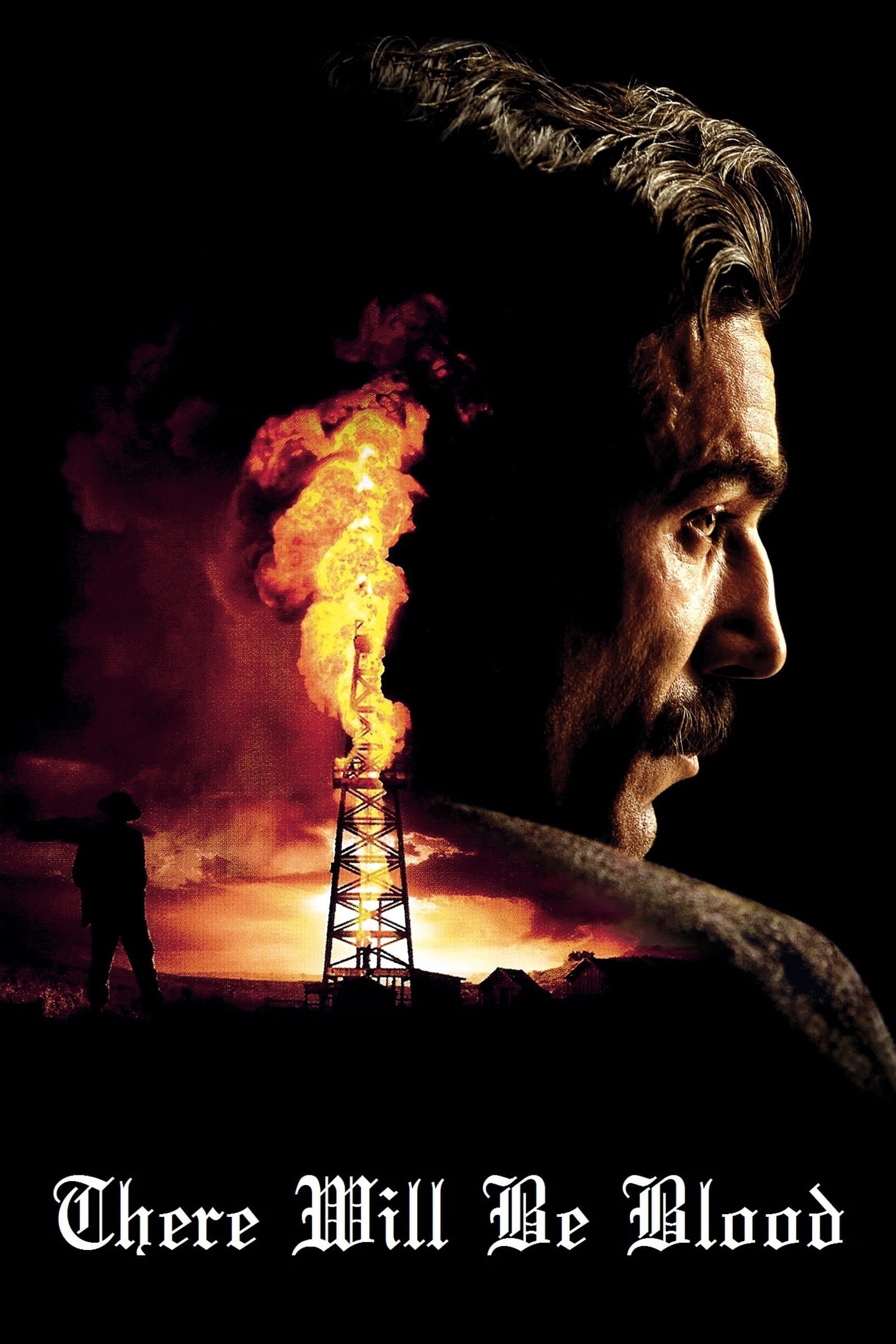
PTA’s filmography has a number of strands running throughout but perhaps one of the deepest and most consistent is the tumultuous generational history of fathers and sons in California, and no other film before or after has brought this particular obsession of his into such elemental focus. Taking Upton Sinclair’s 1927 novel about corruption during the oil boom at the changeover from the 19th to 20th century–inspired by the life American oil tycoon Edward L. Doheny and the subsequent Teapot Dome scandal—and stripping it down to a Kubrick-informed character study of a grubby prospector's ruthlessly single-minded, decades-long arc into a wealthy "self-made" businessman. Pulling from a rich history of American cinema (Treasure of Sierra Madre, Citizen Kane, Ace in the Hole, [insert any number of classic westerns here]) to make this intimate, character-driven story have a larger epic sense of mythic symbolism, allowing for this to double up as a horrifying portrait of capitalism as a blunt force of violent domination carried out by an alien pretending to be human.Daniel Day-Lewis’ primal, beady-eyed, drunken-rage method performance as the lonely, greedy competitor Daniel Plainview, unable to connect with anyone around him outside of their transactional value to him as either tool or inconvenient roadblock (“I just needed a sweet face to buy land” is one of the last, cruelly vindictive things he says to the adopted orphan boy HW he assumes as his own son after one of the numerous gruesome workplace accidents that happen under his watch), and keenly aware of his self-image as any good cutthroat charlatan exploiting people and their land/natural resource for hollow individual gain is, was instantly canonized upon release for obvious reasons. Every scene between him and Paul Dano’s “false prophet” Eli Sunday (taking turns physically dominating and humiliating each other in the mud, in the church, and finally in the bowling alley of a mansion as a broad metaphor of business vs. religion toxically intermingling and trading blows throughout America’s history) is a showcase in ACTING that gave birth to a million acting school workshops. I mean he drinks his milkshake, c’mon!But equally as impressive to the mood of what Anderson achieves here is Robert Elswit’s anamorphic film photography and the contributions by Days of Heaven production designer Jack Fisk, who together turn all this gorgeously desolate location work and handmade structures/communities forming around the drilling setups feel like we are first-hand witnesses to the end of the American frontier and the beginning of Big Business. The anxious and haunting string work on the score by Radiohead’s Jonny Greenwood is a huge factor too, which often gives this beautiful daytime western landscape imagery its bleak, borderline horror atmosphere. There are few moments in the history of film that hit as hard as that oil geyser disabling his child, fire literally shooting out of the ground like these greedy godless men have unleashed hell on earth, and Plainview excitedly declaring that they have an “ocean” under their feet (and it’s all his!!) while drenched in mud, oil, and blood.