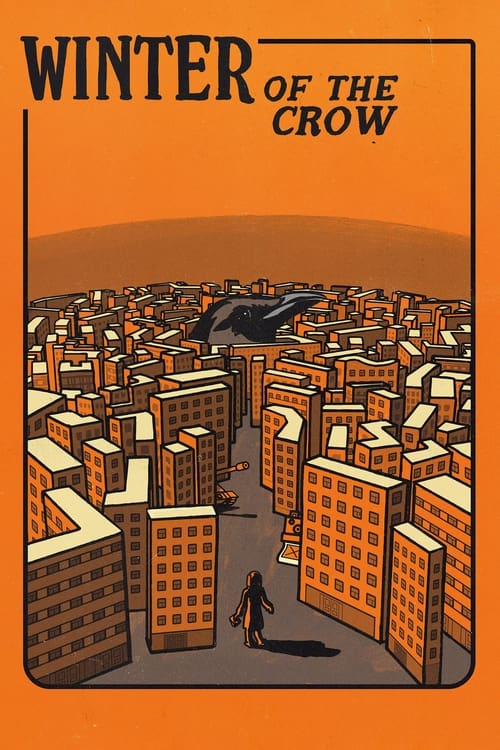






As Andy Warhol might have said if he’d been a little more specific with his pop cultural prophecies: “In the future, every famous character actor will be John Wick for 15 minutes.”Lesley Manville only gets about 10 in Kasia Adamik’s Warsaw-set “The Winter of the Crow,” and the action cleaves much closer to the stuff of Jason Bourne than to the gun-fu of the Baba Yaga. But the sight of the “Phantom Thread” star choking a thuggish member of Poland’s Military Council of National Salvation with a wire clothesline is hardly the only highlight of this often gripping and richly immersive political thriller, most of which takes place in the hours after a military junta declares martial law over the country on the night of December 13, 1981. The dead communist doesn’t live to regret underestimating Manville’s character, but others will — albeit less for her capability than for her willingness to fight back. A British psychiatry professor who’s risen to the top of a field dominated by men (and maintains an understandable chip on her shoulder about how difficult it was for her to get there), Dr. Joan Andrews might not seem to pose much of a threat. But she’s as tough a customer as they come; frostier than a Polish winter, and just as indifferent to the chilling effect she has on anyone within her reach. The start of the film sees Joan travel to the bleak and bleary capital in order to give a career-topping lecture about schizophrenia at a local university, and she’s none too pleased when a group of student activists immediately disturbs her speech with a blitz of toilet paper and sloganeering. “How can a sick society provide mental care?” one of them asks after bumping the professor off the podium. Despite the nature of her life’s work, Joan couldn’t possibly bring herself to care about that question. Incapable of ever maintaining a relationship for longer than six months, she’s more interested in studying afflictions than sympathizing with people — let alone the political causes that might yoke them together. When the shit hits the fan on her first night in town (phone lines cut, tanks in the streets, police grabbing dissidents from their homes with impunity), Joan’s only thought is to get the fuck out of Dodge, and bearing witness to an extrajudicial murder only makes her want to flee the country that much faster. Needless to say, that proves easier said than done (especially once the junta realizes that she has photographic evidence of their crimes), and the frantic path home will force her to recognize that her research is only of value to a world healthy enough to want it.~this review continues on IndieWire~