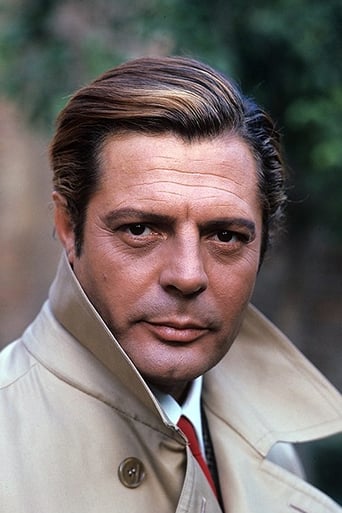
Albert Camus
Writing
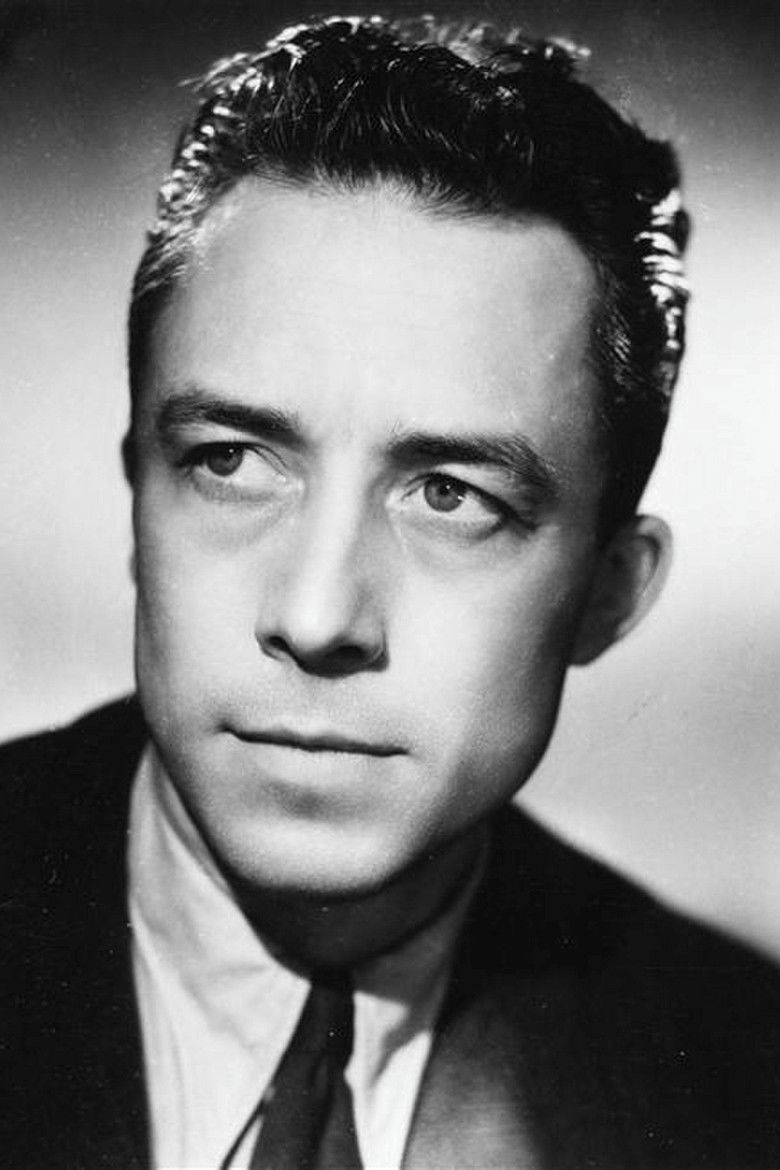
Albert Camus (/kæˈmuː/ kam-OO,French: [albɛʁ kamy] ; 7 November 1913 – 4 January 1960) was a French philosopher, novelist, author, dramatist, journalist, world federalist, and political activist. He was the recipient of the 1957 Nobel Prize in Literature at the age of 44, the second-youngest recipient in history. His works include The Stranger, The Plague, The Myth of Sisyphus, The Fall and The Rebel. Camus was born in French Algeria to pied-noir parents. He spent his childhood in a poor neighbourhood and later studied philosophy at the University of Algiers. He was in Paris when the Germans invaded France during World War II in 1940. Camus tried to flee but finally joined the French Resistance where he served as editor-in-chief at Combat, an outlawed newspaper. After the war, he was a celebrity figure and gave many lectures around the world. He married twice but had many extramarital affairs. Camus was politically active; he was part of the left that opposed Joseph Stalin and the Soviet Union because of their totalitarianism. Camus was a moralist and leaned towards anarcho-syndicalism. He was part of many organisations seeking European integration. During the Algerian War (1954–1962), he kept a neutral stance, advocating a multicultural and pluralistic Algeria, a position that was rejected by most parties. Philosophically, Camus's views contributed to the rise of the philosophy known as absurdism. Some consider Camus's work to show him to be an existentialist, even though he himself firmly rejected the term throughout his lifetime. Description above from the Wikipedia article Albert Camus, licensed under CC-BY-SA, full list of contributors on Wikipedia.
Παραστάσεις με Albert Camus που παίζονται τώρα
Στη σκηνή τώρα1

Φιλμογραφία Albert Camus
Φιλμογραφία42


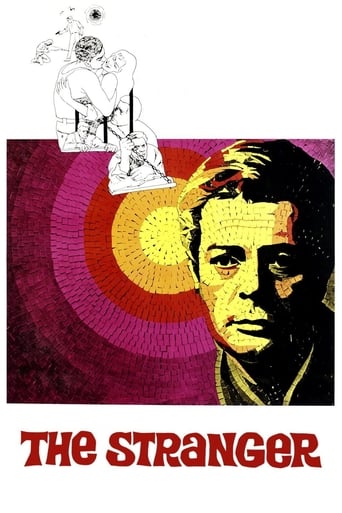




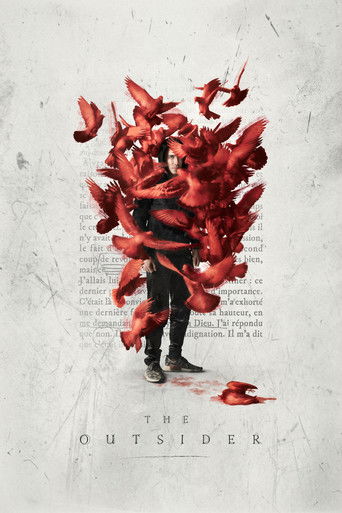
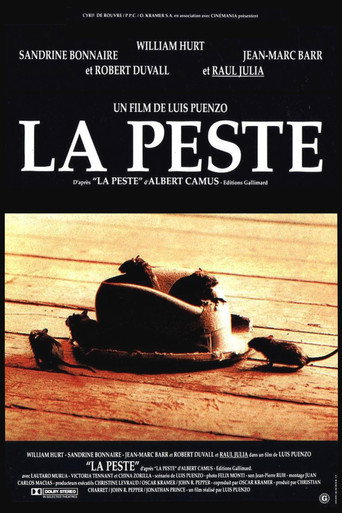
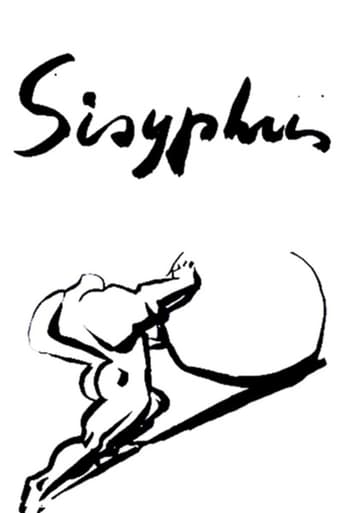












Μάθε πότε βγαίνει η επόμενη ταινία: Albert Camus
Κάνε follow και θα σου πούμε μόλις φτάσει στα σινεμά.


Συχνές ερωτήσεις
Πιος είναι ο Albert Camus;+
Ο Albert Camus ήταν Γαλλοαλγερινός φιλόσοφος, μυθιστοριογράφος και θεατρικός συγγραφέας, βραβευμένος με Νόμπελ, που συνδέθηκε με την ανάπτυξη του παραλογισμού.
Για ποια έργα είναι γνωστός ο Albert Camus;+
Είναι γνωστός για θεμελιώδη λογοτεχνικά έργα, όπως Ο Ξένος και Η Παృతి, καθώς και για θεατρικά έργα όπως ο Καλιγούλας.
Τι είδους έργο δημιουργεί ο Albert Camus;+
Το έργο του εξερευνά φιλοσοφικά θέματα του παραλόγου, της εξέγερσης και της ανθρώπινης ελευθερίας μέσω μυθιστορημάτων, δοκιμίων και θεατρικών έργων. Εξερευνήστε προβολές στο Mood.