Σινεμά
ΕΛ
Frederick Wiseman
Σκηνοθέτης
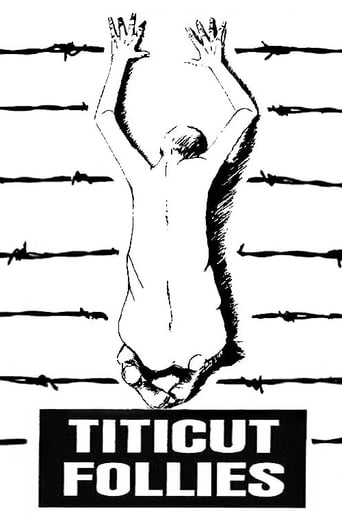
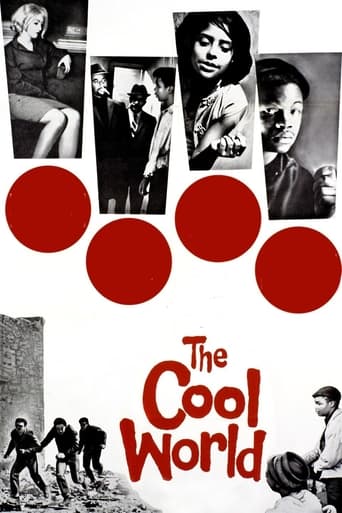
Frederick Wiseman (January 1, 1930 — February 16, 2026) was an American filmmaker, documentarian, and theatre director. As a documentarian, Wiseman has been noted for his ability to capture the nuances of life in American institutions such as prisons, hospitals, welfare offices, and high schools. He started out in 1963 by producing a narrative feature, The Cool World, an examination of the lives of Harlem teenagers. In the beginning, Wiseman was a staunch social reformist, and his films were calls for change. Titicut Follies, his first documentary, is an exposé of life in a prison for the criminally insane in Bridgewater, MA. It was controversial and left Wiseman with the reputation of being a muckraker. His four subsequent documentaries were all exposés of other tax-supported institutions designed to show the ineffectiveness of the bureaucracy that not only threatens to destroy them, but also dehumanizes the people they were meant to serve. Wiseman toned down his message and began focusing more on American culture to point out the symbolism of daily activities in his film Primate (1974). In the 1980s, he began examining institutions as they relate to ideology. Unlike other documentaries, Wiseman’s work does not progress chronologically; rather, the segments are arranged thematically, like an essay, and are linked via rhetorical devices such as comparison and contrast to create a patterned structure. His films are never narrated, thereby forcing viewers to make connections between the sequences themselves. Wiseman has occasionally returned to fictional films, albeit in a non-fiction performance style, as with Seraphita’s Diary (1982) and La Derniere Lettre (2002).
Φιλμογραφία Frederick Wiseman
Φιλμογραφία61







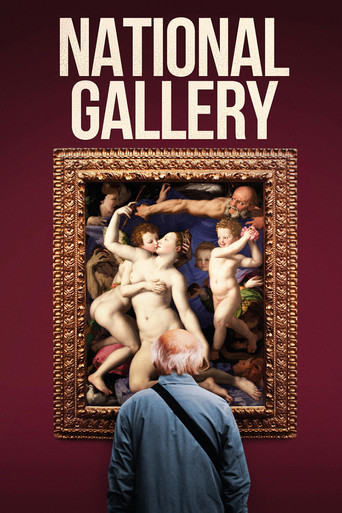

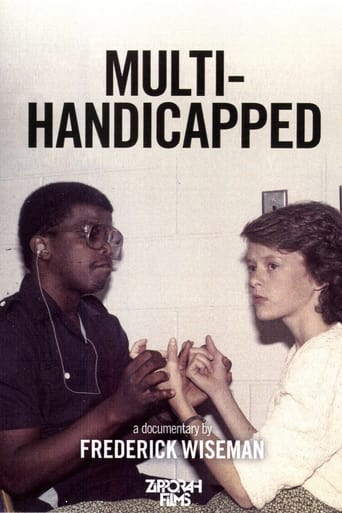

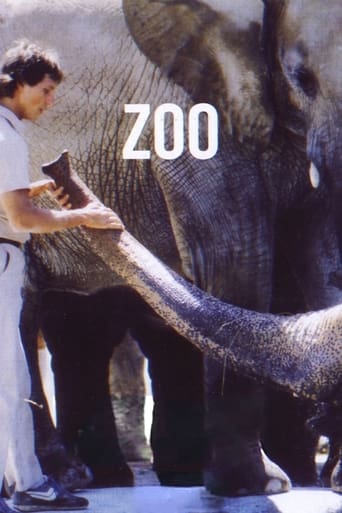
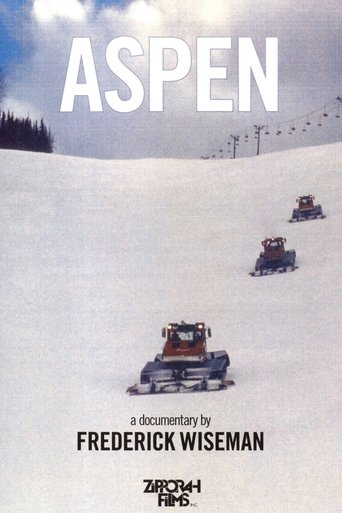









Μάθε πότε βγαίνει η επόμενη ταινία: Frederick Wiseman
Κάνε follow και θα σου πούμε μόλις φτάσει στα σινεμά.


Συχνές ερωτήσεις
Who is Frederick Wiseman?+
Frederick Wiseman was an American filmmaker and former lawyer widely considered a master of the observational documentary form, known for his long-term study of human institutions.
What is Frederick Wiseman known for?+
He is best known for films such as Titicut Follies, Ex Libris: The New York Public Library, and Welfare, which examine the inner workings of hospitals, schools, and government agencies. Explore his filmography on Mood.
What characterizes a Wiseman film?+
His works are distinguished by their lack of narration, absence of interviews, and lengthy, patient observational takes that allow viewers to synthesize meaning from the footage themselves.