Σινεμά
ΕΛ
Nicholas Ray
Σκηνοθέτης
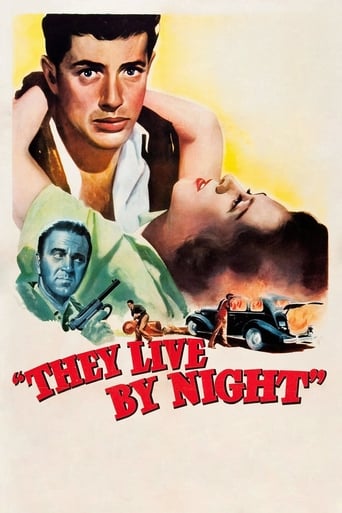
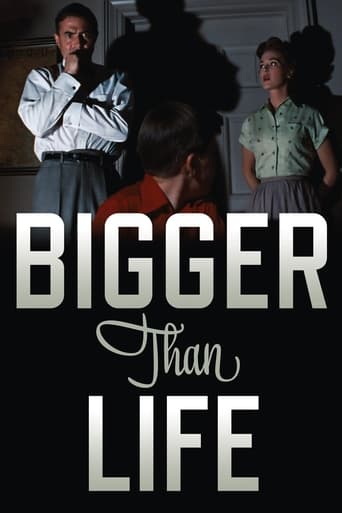
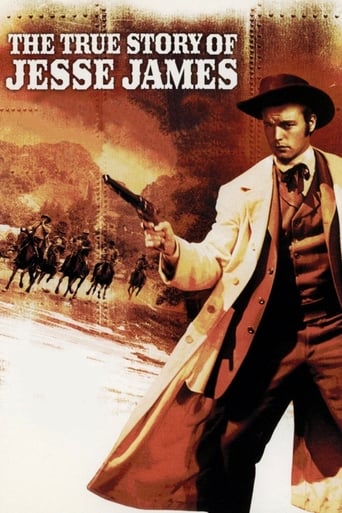
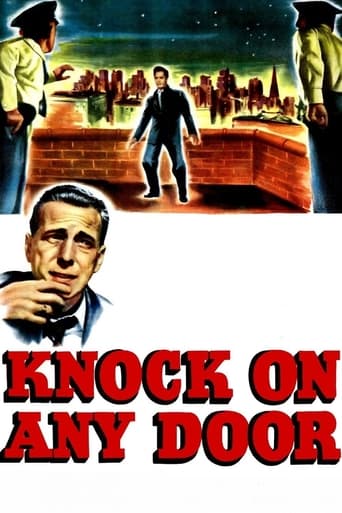
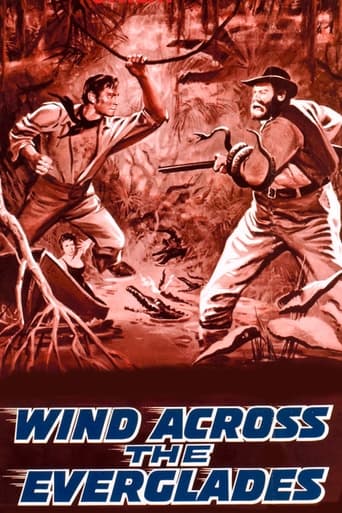
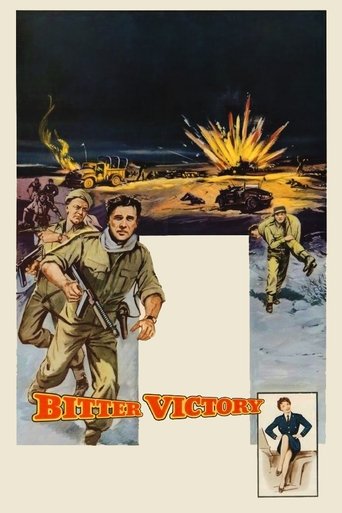
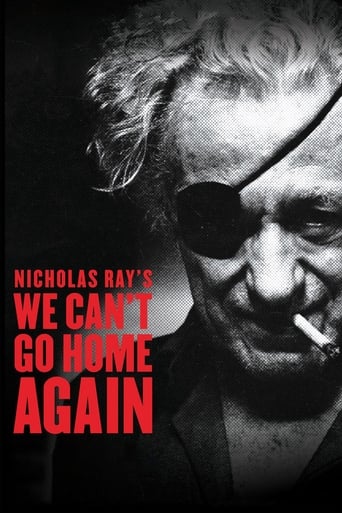
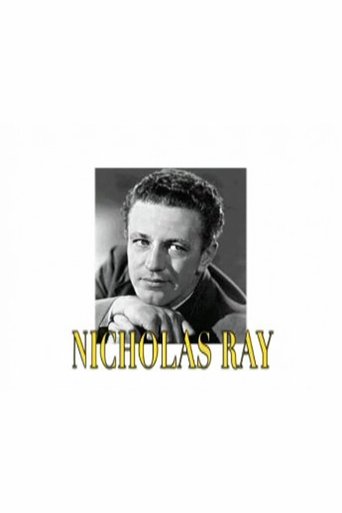
Nicholas Ray (born Raymond Nicholas Kienzle; 7 August 1911 – 16 June 1979) was an American film director best known for the films Rebel Without a Cause and Johnny Guitar. Described by the Harvard Film Archive as "Hollywood's last romantic" and "one of postwar American cinema’s supremely gifted and ultimately tragic filmmakers," Ray was considered an iconoclastic auteur director who often clashed with the Hollywood studio system of the time, but would prove highly influential to future generations of filmmakers. His best-known work is the 1955 film Rebel Without a Cause, starring James Dean. He is appreciated for many narrative features produced between 1947 and 1963, including They Live By Night (1948), In A Lonely Place (1950), Johnny Guitar (1954), Bigger Than Life (1956), and King of Kings (1961), as well as an experimental work produced throughout the 1970s titled We Can't Go Home Again, which was unfinished at the time of Ray's death. During his lifetime, Ray was nominated for an Academy Award for Best Adapted Screenplay for Rebel Without a Cause, twice for the Golden Lion, for Bigger Than Life (1956) and Bitter Victory (1957), and a Palme d'Or for The Savage Innocents (1960). Three of his films were ranked by Cahiers du Cinéma in their Annual Top 10 Lists. Ray's compositions within the CinemaScope frame and use of color are particularly well regarded and he was an important influence on the French New Wave, with Jean-Luc Godard famously writing in a review of Bitter Victory, "... there is cinema. And the cinema is Nicholas Ray."
Ταινίες με τον/την Nicholas Ray που παίζονται τώρα
Παίζει τώρα2
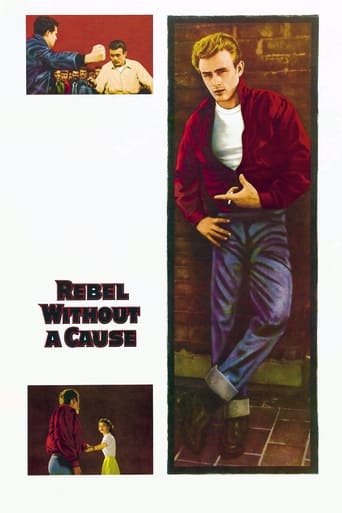
Φιλμογραφία Nicholas Ray
Φιλμογραφία47
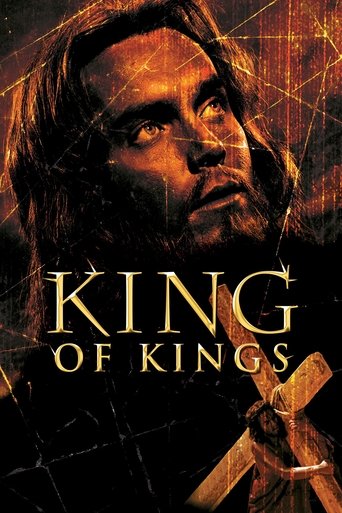
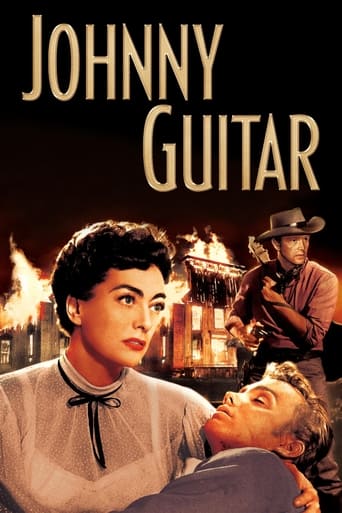



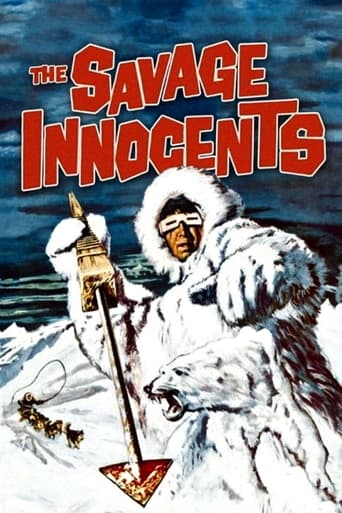


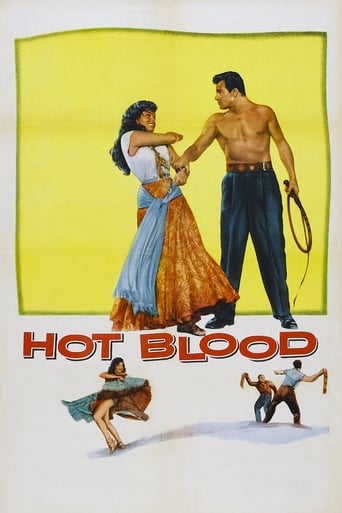

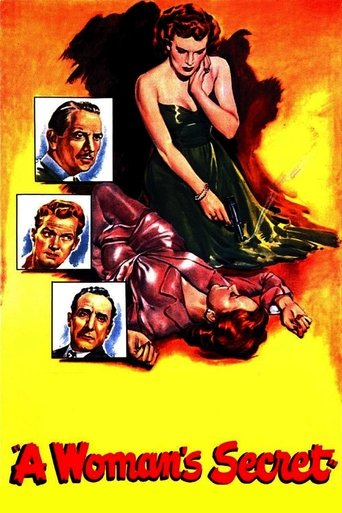
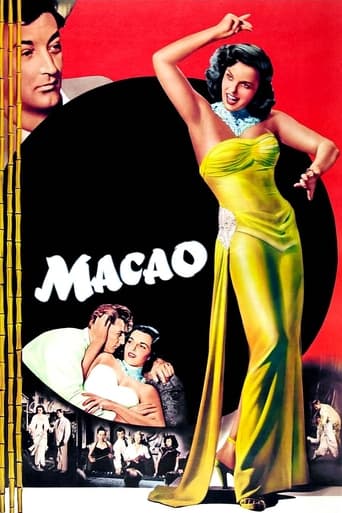
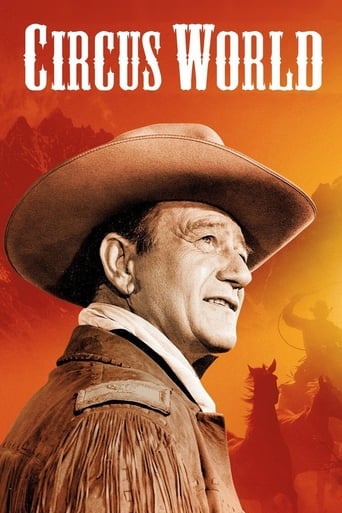




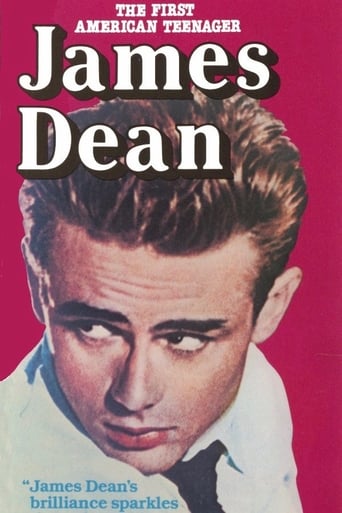


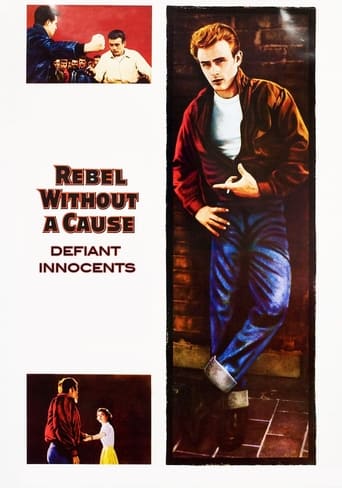
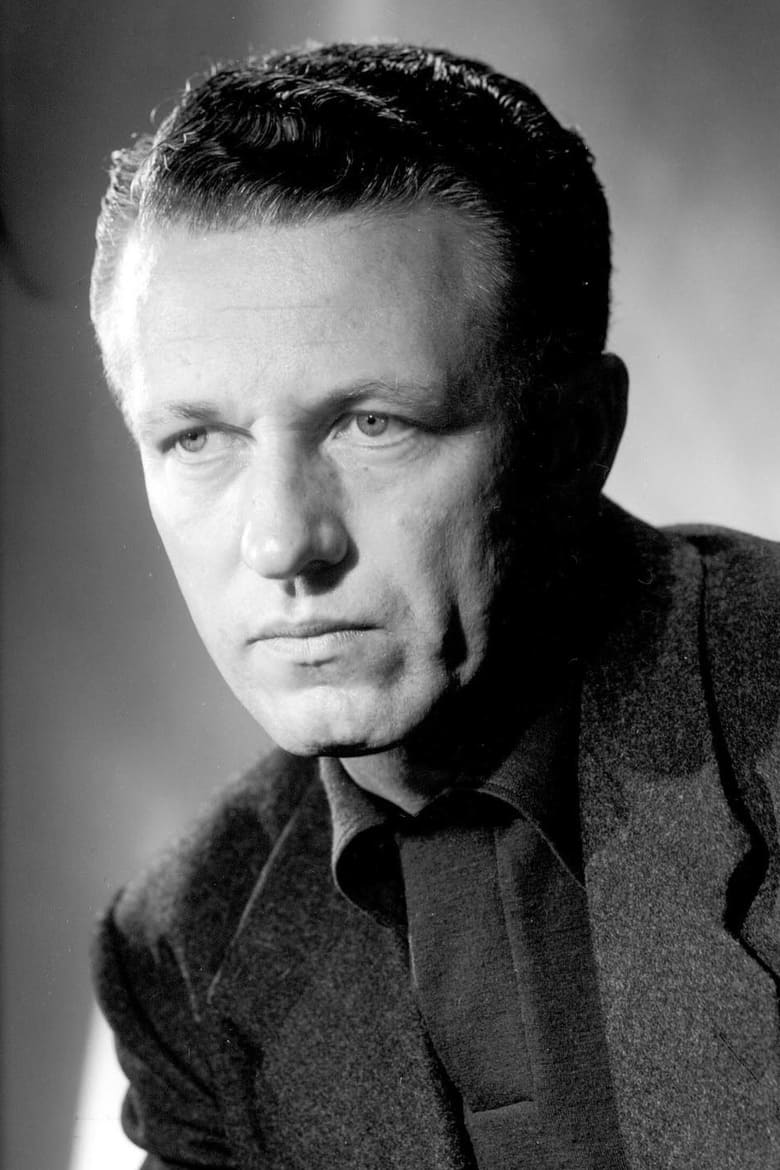
Μάθε πότε βγαίνει η επόμενη ταινία: Nicholas Ray
Κάνε follow και θα σου πούμε μόλις φτάσει στα σινεμά.


Συχνές ερωτήσεις
Who is Nicholas Ray?+
Nicholas Ray was an American filmmaker known for his work in the 1940s and 1950s, most notably directing the drama Rebel Without a Cause and the noir thriller In a Lonely Place.
What is Nicholas Ray known for?+
He is recognized for his authorship in films like Johnny Guitar and Bigger Than Life, and for his significant influence on the French New Wave directors who championed his work.
What was Nicholas Ray's final project?+
His final work was the experimental and unfinished project We Can't Go Home Again, which he worked on during the 1970s.
How did Nicholas Ray approach filmmaking?+
He was noted for his expressive use of color and compositions within the widescreen CinemaScope frame to explore themes of isolation and alienation.
Δεν σου κάνει;Όλες οι ταινίες στην Αθήνα