Σινεμά
ΕΛ
Lil Dagover
Ηθοποιός
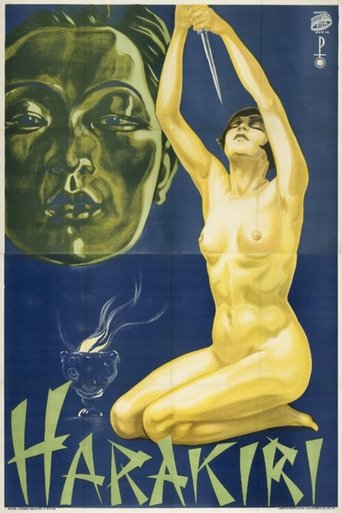
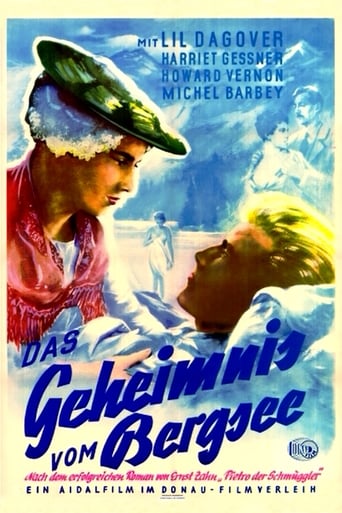
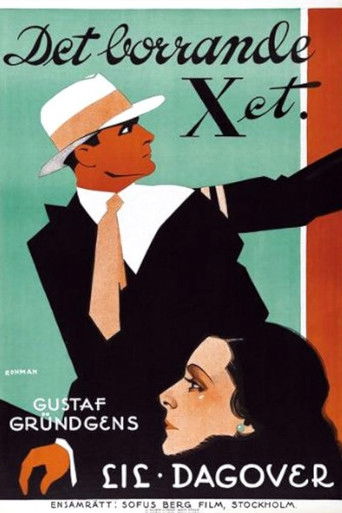
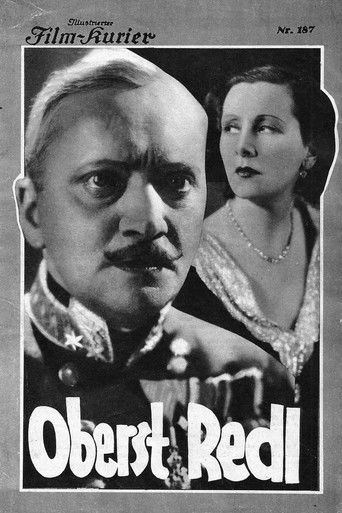
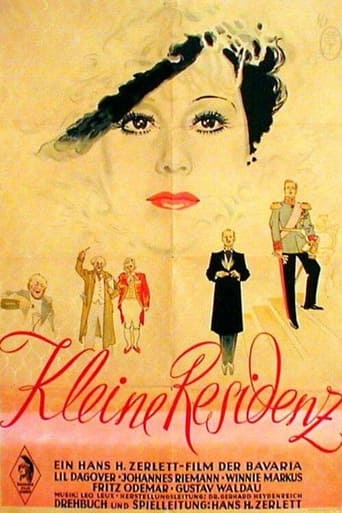
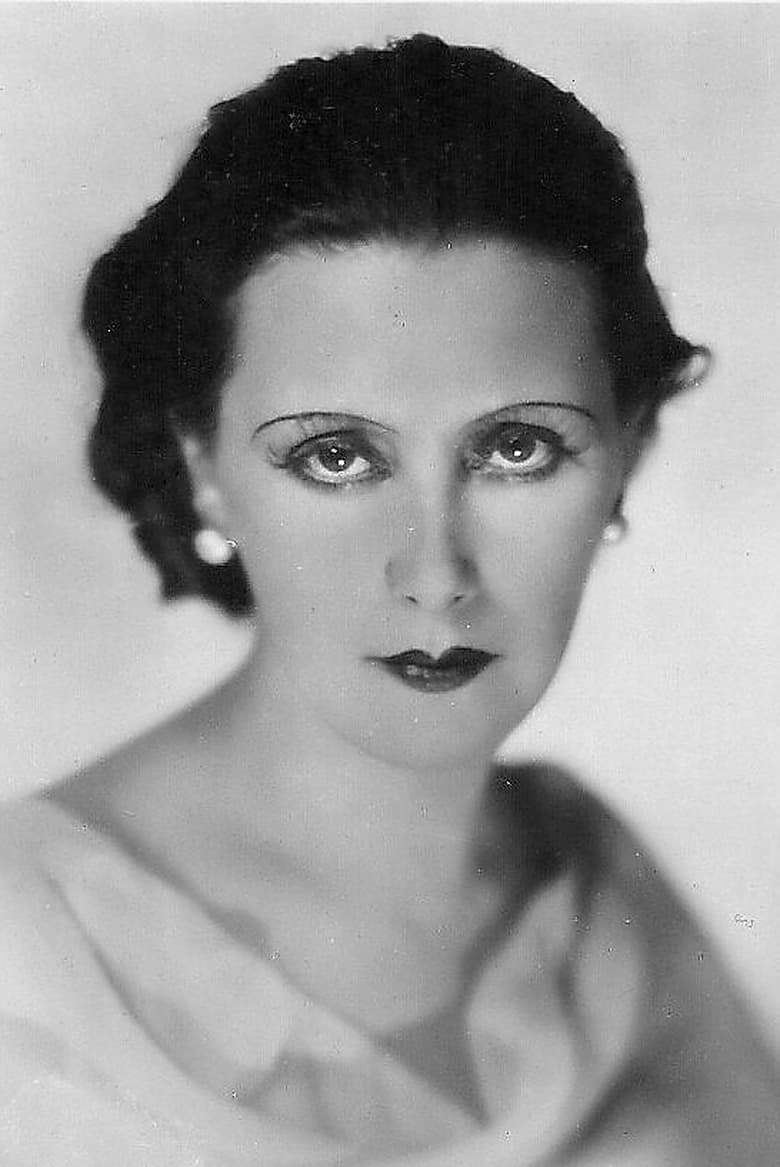
A prominent German film actress born on 30 September 1887 at Madiven, Java, the daughter of a forest ranger in the service of the Dutch authorities. Sent at the age of ten to Baden-Baden to study, she later entered the cinema thanks to her marriage in 1917 to the actor Fritz Dagover who was 25 years her senior. They divorced in 1919 but not before he had introduced her to director Robert Wiene and other notables of German cinema. She made her screen debut in Fritz Lang's Harakiri (1919). Immediately after she appeared in Wiene's classic expressionist film, "The Cabinet of Dr. Caligari" (aka The Cabinet of Dr. Caligari (1920)). Apart from three trips -- one to Sweden in 1927, another to France in 1928-9 and one to Hollywood in 1931 -- most of Lil Dagover's career and fate was linked to that of the German cinema, where her role was usually that of the frail, menaced heroine. She continued to star in a great number of films during the Nazi era. Among her best performances were her roles in Congress Dances (1931), in Gerhard Lamprecht's The Higher Command (1935) and in Veit Harlan's The Kreutzer Sonata (1937). She also acted in the Deutsches Theatre Berlin, the Salzburg Festival, at forces shows and at war theaters. At one time, she was reported to have been a close friend of Adolf Hitler. In 1944, she received the War Merits Cross. Dagover continued her career in post-war Germany, playing many supporting parts until the late 1970s.
Ταινίες με τον/την Lil Dagover που παίζονται τώρα
Παίζει τώρα1
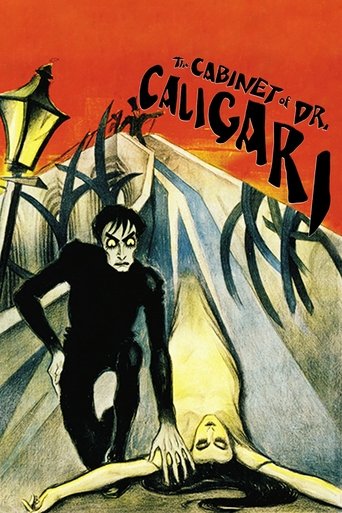
Φιλμογραφία Lil Dagover
Φιλμογραφία121

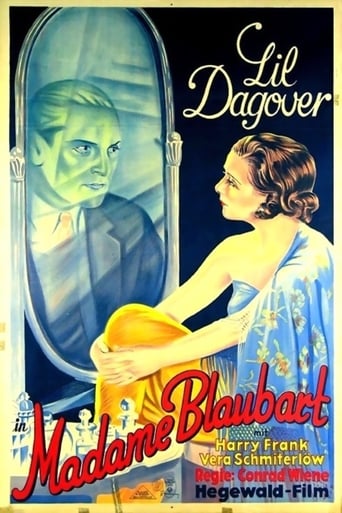
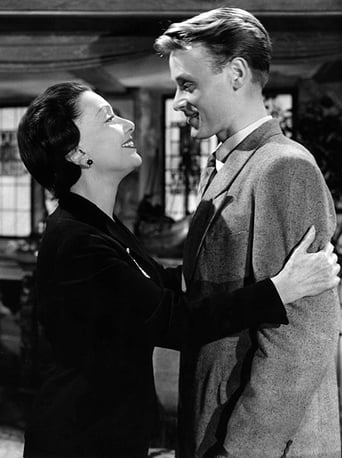

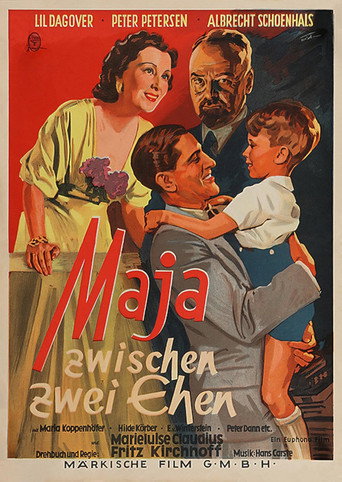
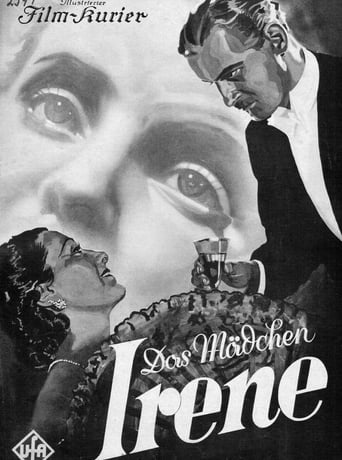

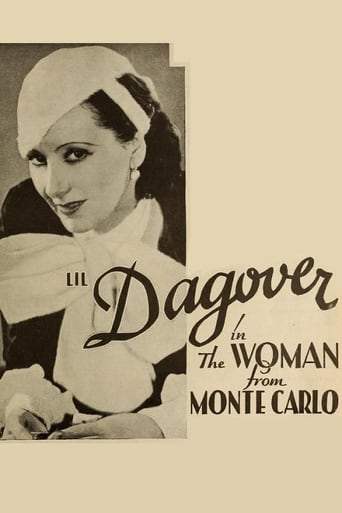
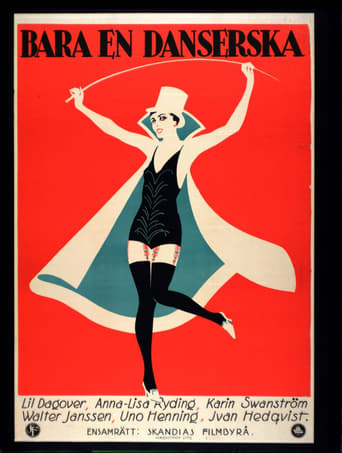
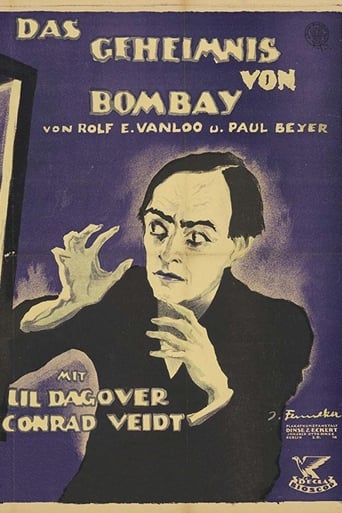
Μάθε πότε βγαίνει η επόμενη ταινία: Lil Dagover
Κάνε follow και θα σου πούμε μόλις φτάσει στα σινεμά.


Συχνές ερωτήσεις
Who is Lil Dagover?+
Lil Dagover was a prominent German actress who rose to prominence during the Weimar Republic and continued working through the post-war era.
What is Lil Dagover known for?+
She is best known for her performances in Robert Wiene's The Cabinet of Dr. Caligari and Fritz Lang's films, often cast as a refined or distressed heroine in silent dramas.
Did she continue acting after the silent film era?+
Yes, her career spanned several decades, and she remained active in German cinema, television, and theater well into the late 1970s.
Δεν σου κάνει;Όλες οι ταινίες στην Αθήνα