Σινεμά
George Marshall
Σκηνοθέτης
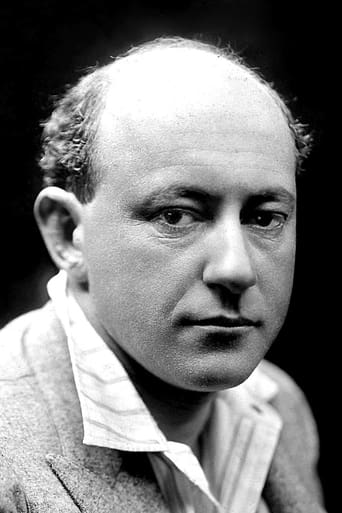
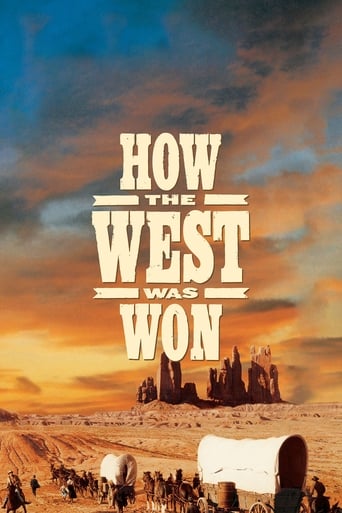
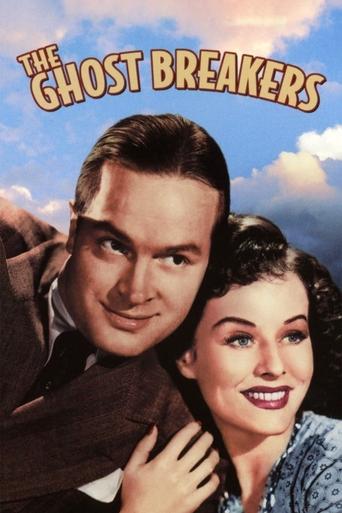
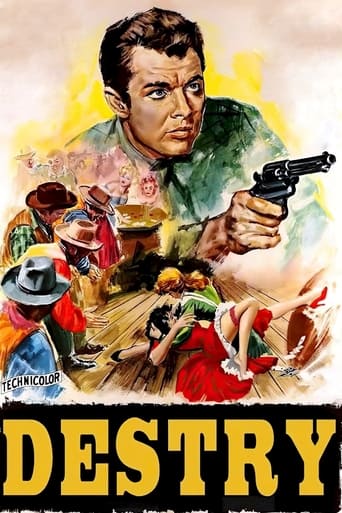
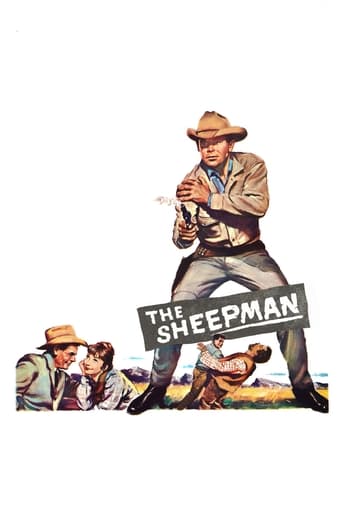
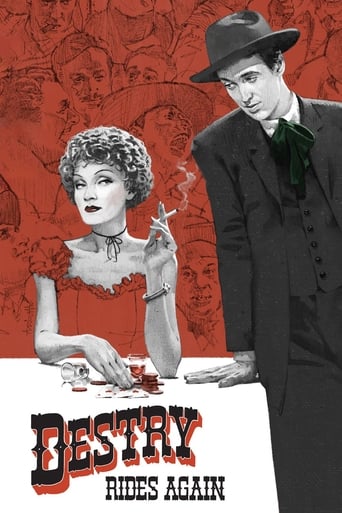
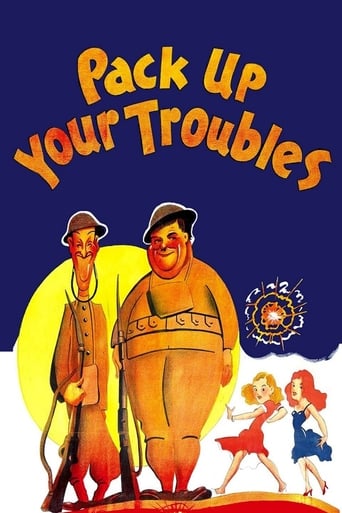
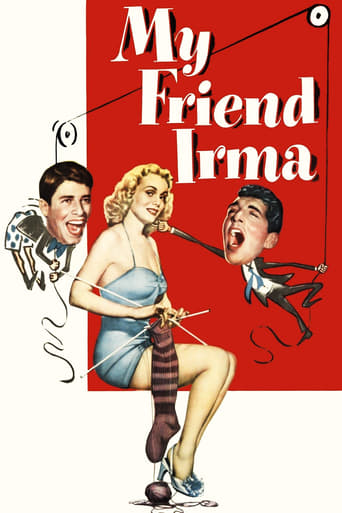
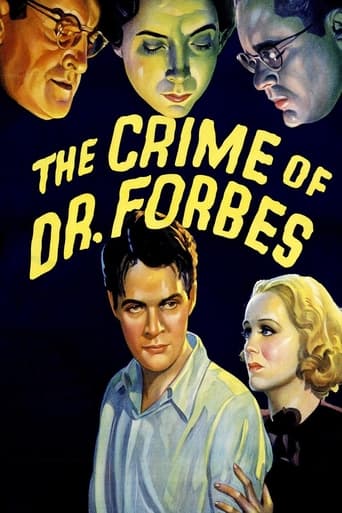
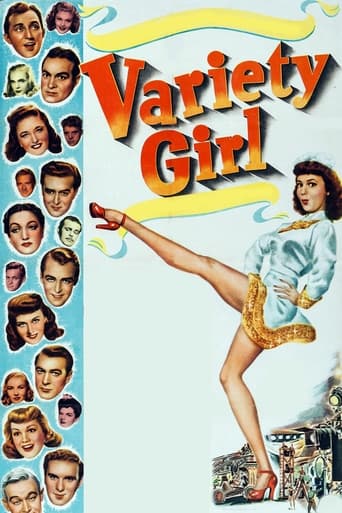
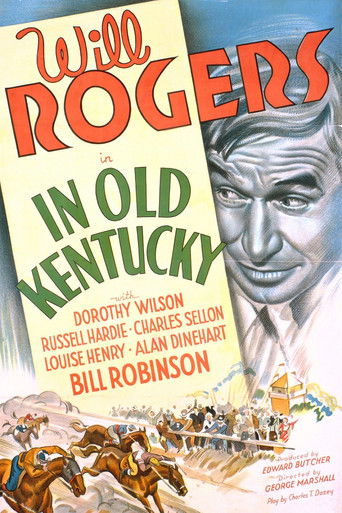
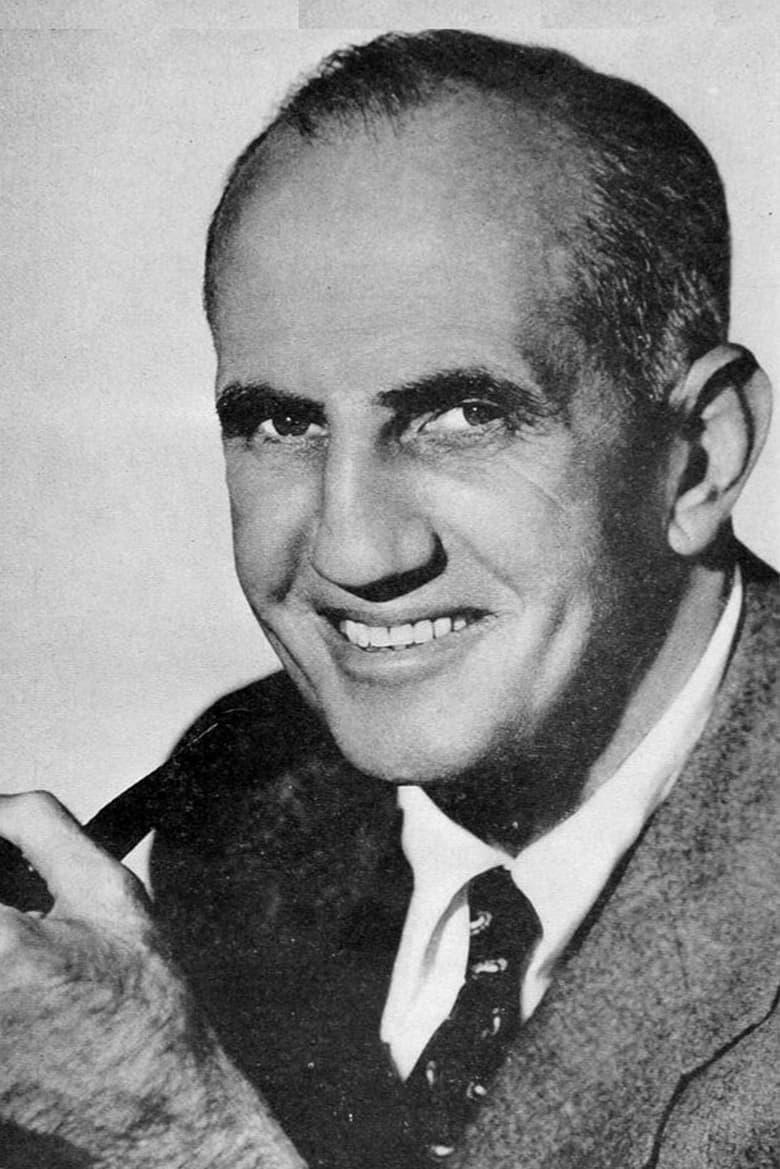
From Wikipedia, the free encyclopedia. George E. Marshall (December 29, 1891 – February 17, 1975) was a prolific American actor, screenwriter, producer, film and television director, active through the first six decades of movie history. Relatively few of Marshall's films are well-known today, with Destry Rides Again, The Sheepman, and How the West Was Won being the biggest exceptions. Marshall co-directed How the West Was Won with John Ford and Henry Hathaway, handling the railroad segment, which featured a celebrated buffalo stampede sequence. While Marshall worked on almost all kinds of films imaginable, he started his career in the early silent period doing mostly Westerns, a genre he never completely abandoned. Later in his career, he was particularly sought after for comedies. He did around half a dozen films each with Bob Hope and Jerry Lewis, and also worked with W.C. Fields, Jackie Gleason, Will Rogers and Laurel and Hardy. For his contribution to the film industry, George Marshall has a star on the Hollywood Walk of Fame at 7048 Hollywood Boulevard. Description above from the Wikipedia article George Marshall, licensed under CC-BY-SA, full list of contributors on Wikipedia.
Ταινίες με τον/την George Marshall που παίζονται τώρα
Παίζει τώρα1
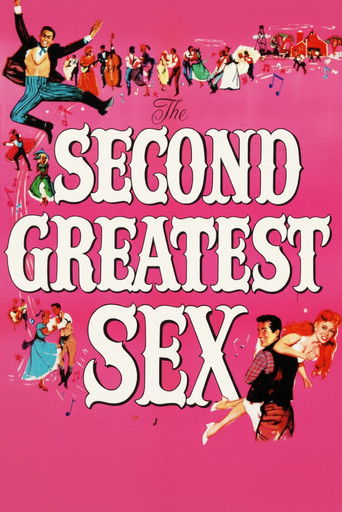
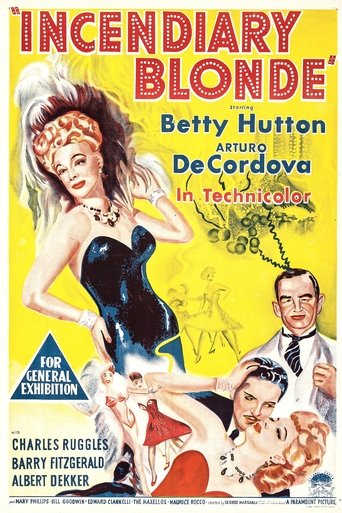
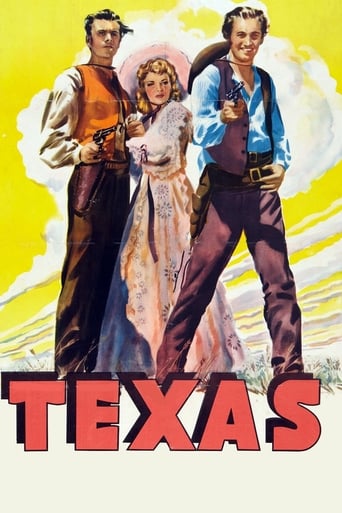
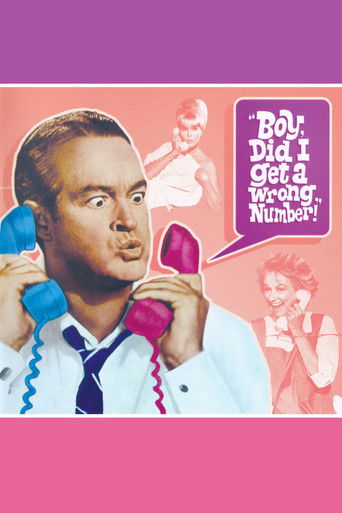
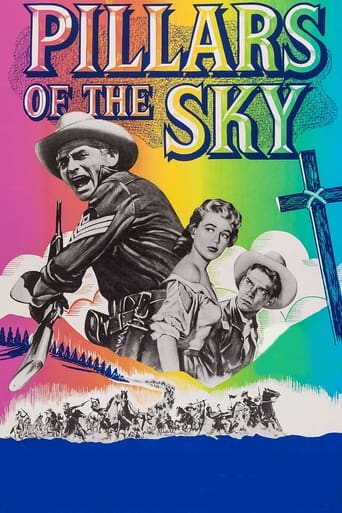
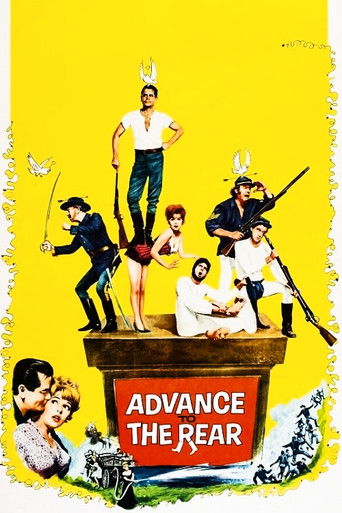
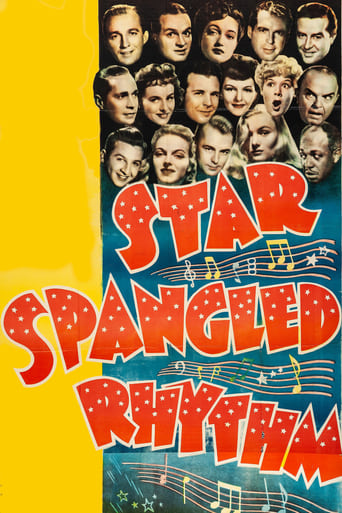
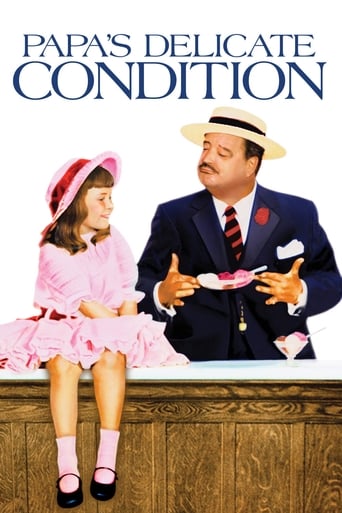
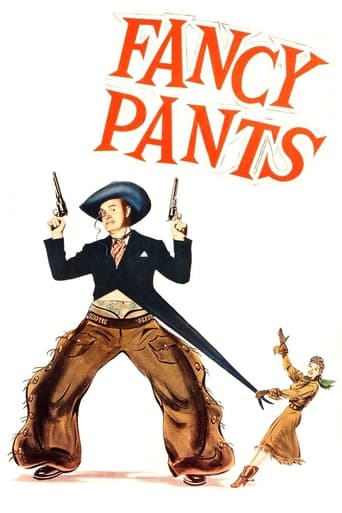
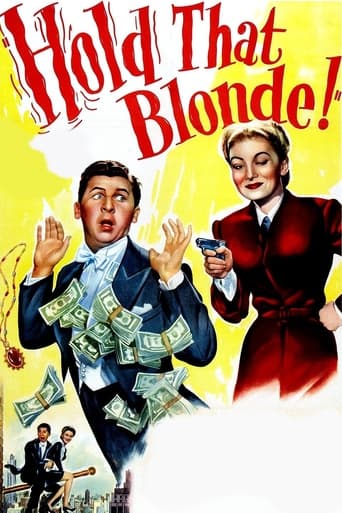
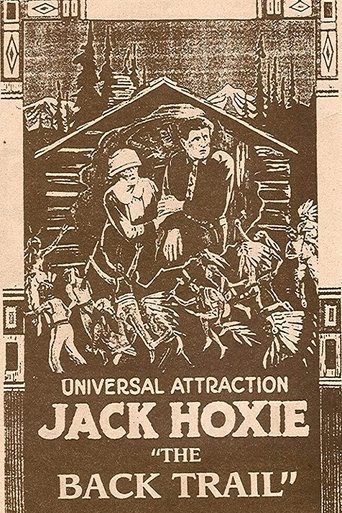
Φιλμογραφία George Marshall
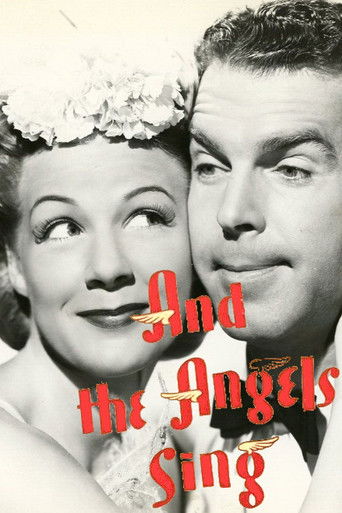
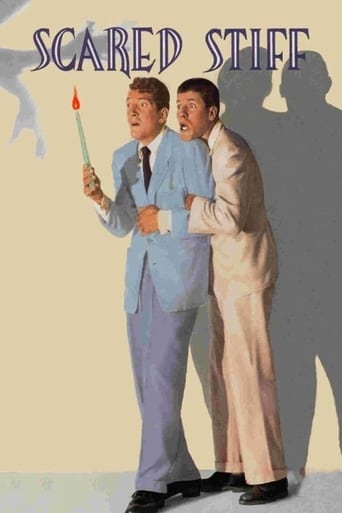
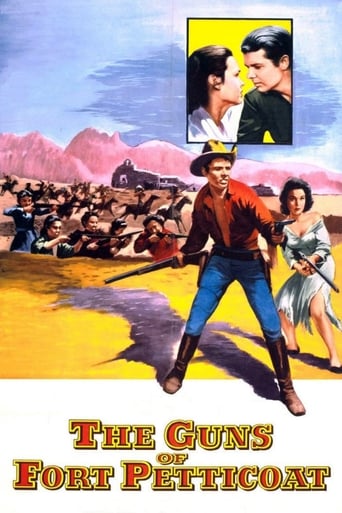
Φιλμογραφία131
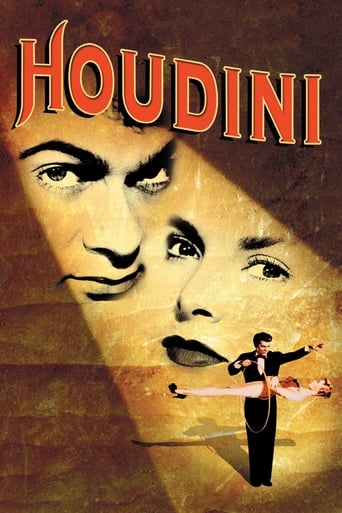


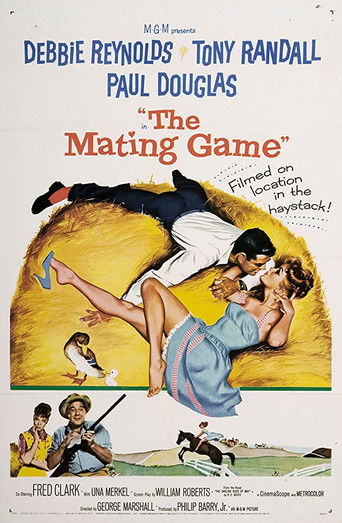

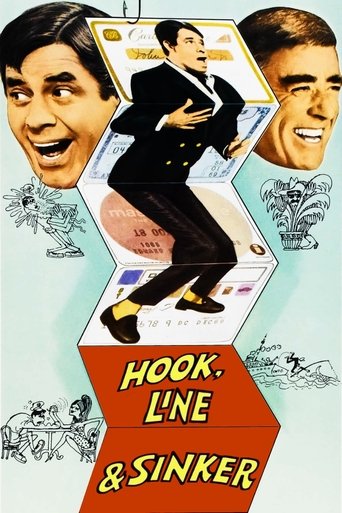
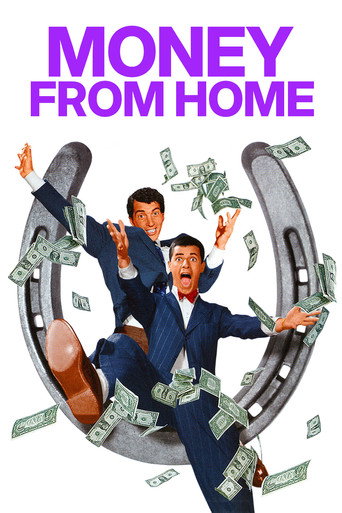
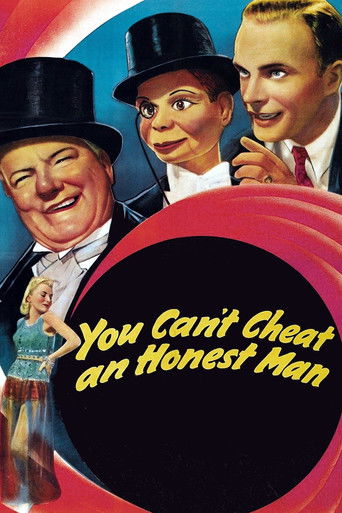
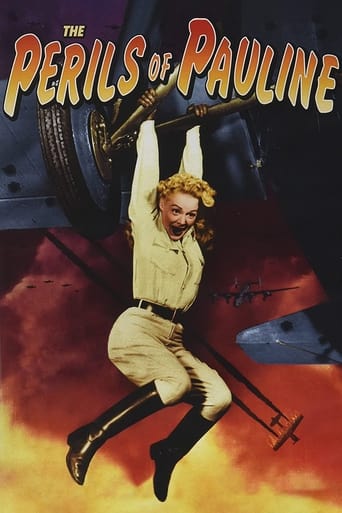
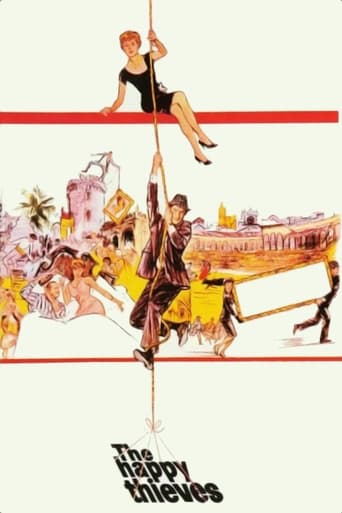
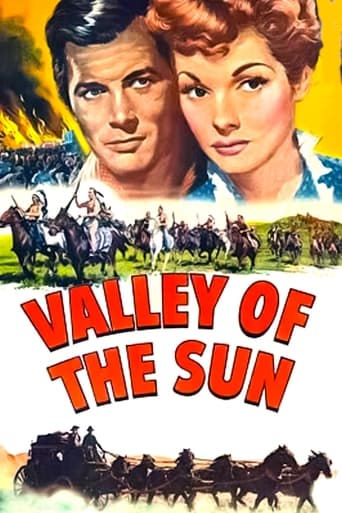
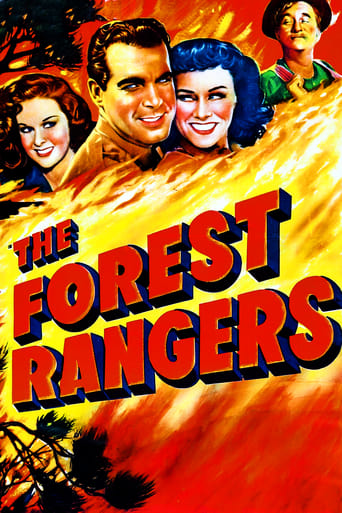
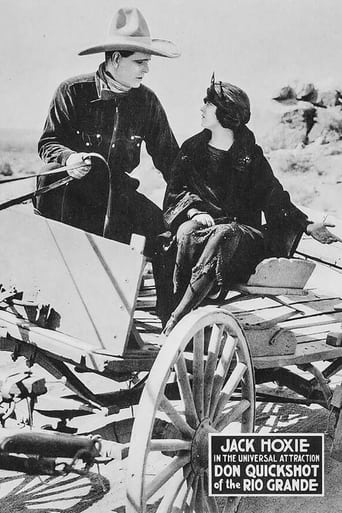
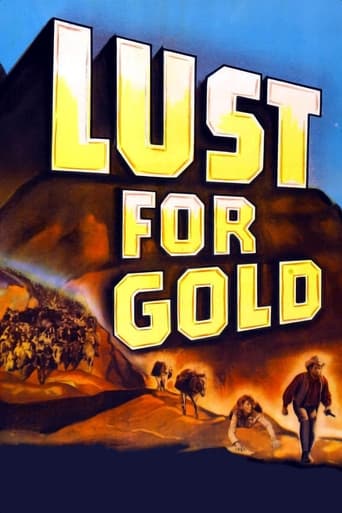
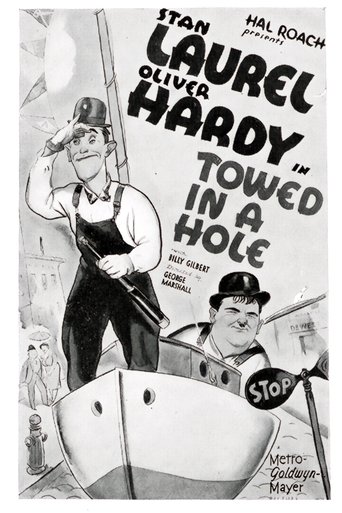
Μάθε πότε βγαίνει η επόμενη ταινία: George Marshall
Κάνε follow και θα σου πούμε μόλις φτάσει στα σινεμά.


Συχνές ερωτήσεις
Who is George Marshall?+
George Marshall was a versatile American filmmaker and actor whose career spanned the first sixty years of cinema history, from the silent era to the 1960s.
What is George Marshall known for?+
He is recognized for directing Westerns such as Destry Rides Again and The Sheepman, as well as his collaborative work with comedians like Bob Hope and Jerry Lewis.
What kind of work did George Marshall make?+
He was a highly efficient studio director who successfully balanced lighthearted comedy with the traditional Western genre.
Δεν σου κάνει;Όλες οι ταινίες στην Αθήνα