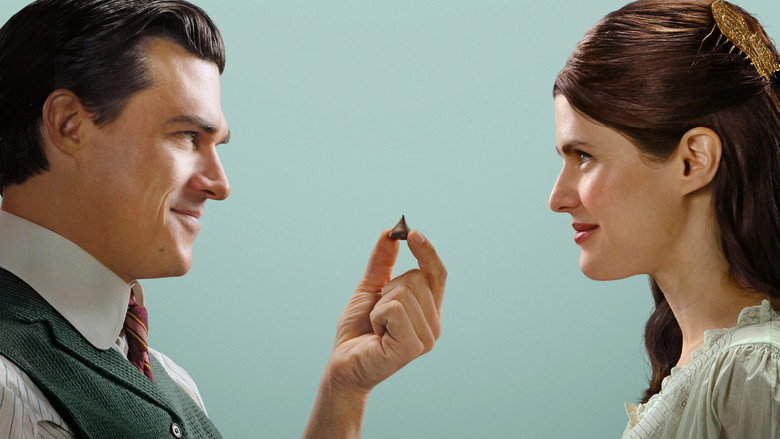
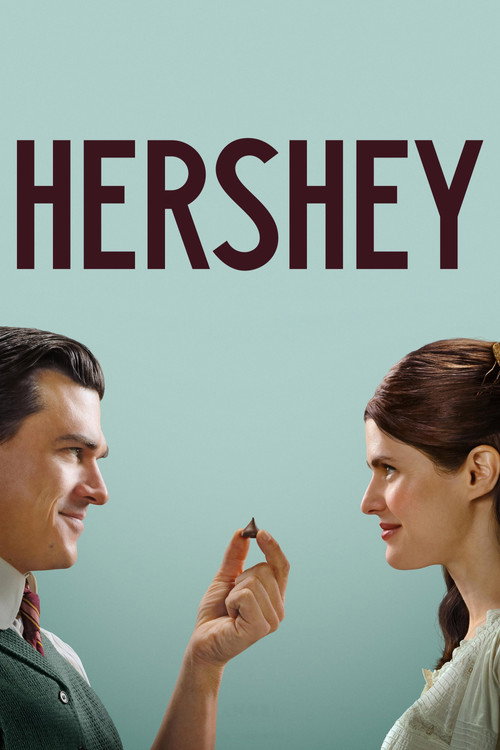



A very successful “values-based entertainment” company that was begat — in the parlance of its biblical heritage — from a film-filtering service that illegally edited “objectionable content” out of major Hollywood movies, Angel Studios has since become the world’s foremost purveyor of megachurch-approved multiplex content. The bigger they got (on the strength of projects like “The Chosen” and the QAnon cause célèbre “Sound of Freedom,” the latter of which pioneered a questionable ticketing model that continues today), the more that Angel removed from the films they released. Not just sex and swear words, but also anything that even vaguely resembled a soul.With “Hershey,” a decidedly vanilla biopic about the most famous chocolatier who’s ever lived, the studio has taken its socio-religious project to its logical conclusion: They’ve made a movie that’s been stripped of any flavor whatsoever. It’s the cinematic equivalent of carob powder. It’s what Ned Flanders will force his kids to watch next Halloween.Somehow unimaginatively bland and Splenda-sweet all at once, this godforsaken affront to good storytelling may not have benefited from any of the material that its distributor has deemed amoral, but “Hershey” is so mind-numbingly absent the most basic friction of the human experience that I wanted to fall to my knees and thank the lord that a few errant Kisses made it past The Angel Promise on a technicality. It’s too bad Milton S. Hershey never used his platform to baselessly sow doubt in a foreign election, because at least one of Angel Studios’ co-founders would clearly have been cool with including that (ecocidal fascism is fine, just don’t say “fuck” while you’re razing the Amazon, as that would offend Jesus).As you may have gathered by now, I am probably not the target audience for this unrepentant godslop. Not because I’m agnostic (“Hershey” is as secular as Angel Studios’ output gets, its overt religiosity limited to a brief scene in which the movie’s namesake pleads for help from an unspecified higher power), but rather because I stubbornly, blasphemously insist that a womb-to-tomb biopic should bear at least some faint resemblance to the stuff of real life. I couldn’t possibly care less about the facts (though I struggle to believe that Hershey and his wife literally danced with joy after learning that a twist of fate had spared them from being aboard the Titanic), but there isn’t a single moment in this film that feels like it was written by a real person, let alone lived by one.Let’s back up a beat. To be clear, Angel Studios didn’t technically make this movie — that distinction belongs to the spiritually aligned production company Dandelion Media, who partnered with Hershey Entities for a fully authorized feature-length commercial meant to “bring [the chocolate brand’s] story into culture in a more immersive way.” The success of that marketing spend remains to be seen, but it can’t hurt to highlight Mr. Hershey’s ostensible purity at a time when the company that bears his name has been under fire for diluting its products with compound coatings in order to save money. And so we have a punishingly straightforward film that paints the Pennsylvania icon as a square-jawed, sweet-toothed wife guy who loved candy, orphans, and sitting way too close to the edge of the massive water tower that overlooks the town he remade in his own image.Directed by Mark Waters, but absent any trace of the poppy confidence he once brought to the likes of “Mean Girls” and “Freaky Friday,” “Hershey” opens with its first and only stylistic flourish as a match cut transforms an immaculate chocolate Kiss into a small lump of coal — Milton Hershey’s life would turn out to be sweet, but it sure didn’t start that way. The film that follows sadly feels less like “Lawrence of Arabia” than it does an AI-generated adaptation of Hershey’s Wikipedia page, its algorithmic sense of human interaction rendered all the more uncanny by its ecclesiastical approach to conflict (and also by its blown out cinematography, which suggests a very literal interpretation of Angel Studios’ promise to produce “movies and shows that amplify light.”)~this review continues on IndieWire~