
Euripides
Writing
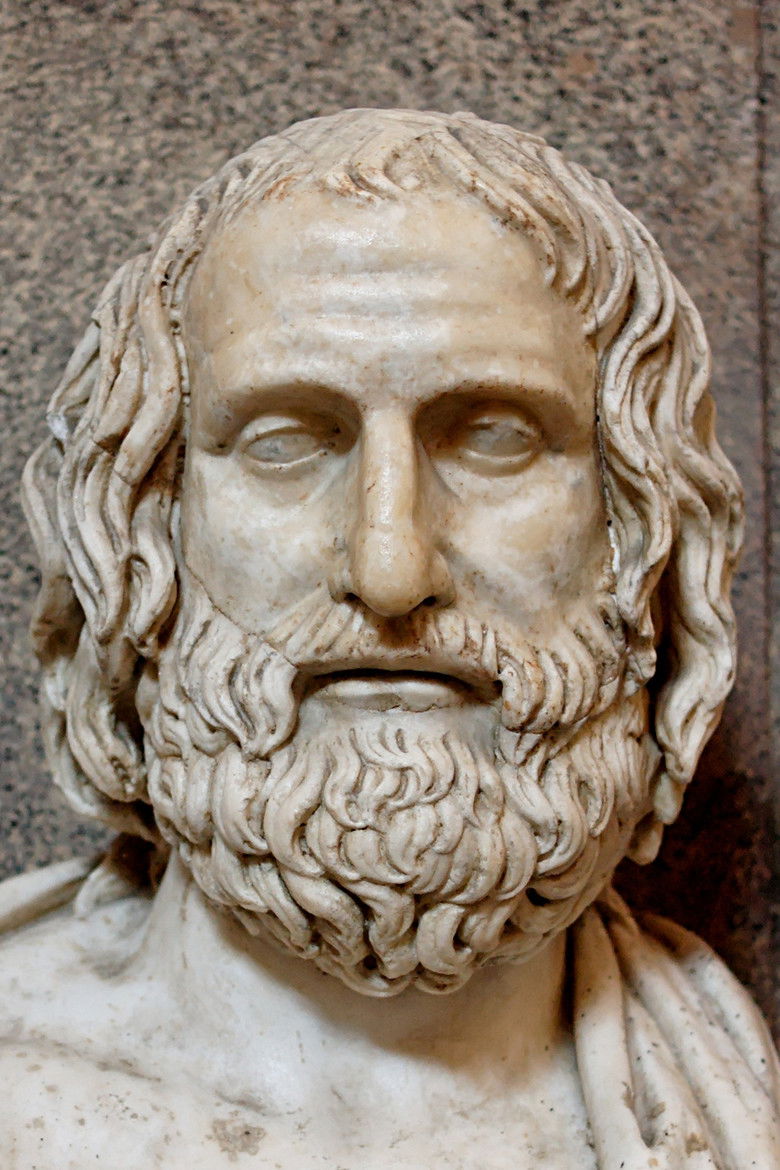
Euripides (c. 480 – c. 406 BC) was a Greek tragedian of classical Athens. Along with Aeschylus and Sophocles, he is one of the three ancient Greek tragedians for whom any plays have survived in full. Some ancient scholars attributed ninety-five plays to him, but the Suda says it was ninety-two at most. Of these, eighteen or nineteen have survived more or less complete (Rhesus is suspect). There are many fragments (some substantial) of most of his other plays. More of his plays have survived intact than those of Aeschylus and Sophocles together, partly because his popularity grew as theirs declined — he became, in the Hellenistic Age, a cornerstone of ancient literary education, along with Homer, Demosthenes, and Menander. Euripides is identified with theatrical innovations that have profoundly influenced drama down to modern times, especially in the representation of traditional, mythical heroes as ordinary people in extraordinary circumstances. This new approach led him to pioneer developments that later writers adapted to comedy, some of which are characteristic of romance. He also became "the most tragic of poets",[nb 1] focusing on the inner lives and motives of his characters in a way previously unknown. He was "the creator of ... that cage which is the theatre of Shakespeare's Othello, Racine's Phèdre, of Ibsen and Strindberg," in which "imprisoned men and women destroy each other by the intensity of their loves and hates". But he was also the literary ancestor of comic dramatists as diverse as Menander and George Bernard Shaw. Known among the writers of classical Athens for his unparalleled sympathy towards all victims of society, including women, slaves or strangers, his contemporaries associated him with Socrates as a leader of a decadent intellectualism. Both were frequently lampooned by comic poets such as Aristophanes. Socrates was eventually put on trial and executed as a corrupting influence. Ancient biographies hold that Euripides chose a voluntary exile in old age, dying in Macedonia, but recent scholarship casts doubt on these sources.
Voorstellingen met Euripides die nu spelen
Nu op het podium2


Filmografie van Euripides
Filmografie45
































Weet wanneer de volgende film van Euripides uitkomt
Volg één keer, wij laten het weten zodra hij in de bioscoop draait.


Veelgestelde vragen
Wie is Euripides?+
Euripides was een klassieke Atheense tragediedichter die bekend stond om het hervormen van traditionele mythen en de focus op het complexe innerlijke leven van zijn personages.
Waar staat Euripides om bekend?+
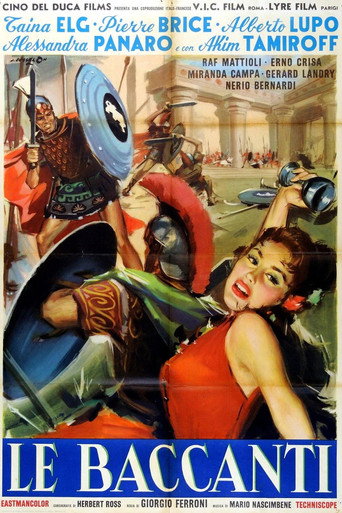
Hij is het meest bekend om het schrijven van overgeleverde oude Griekse toneelwerken zoals Medea, De Bacchanten en Hippolytus.
Welk festival of instituut wordt geassocieerd met Euripides?+
Zijn werken werden historisch opgevoerd en namen deel aan de dramatische festivals van het klassieke Athene, in het bijzonder de Grote Dionysia.