Lobo
A nostalgic soft rock artist.
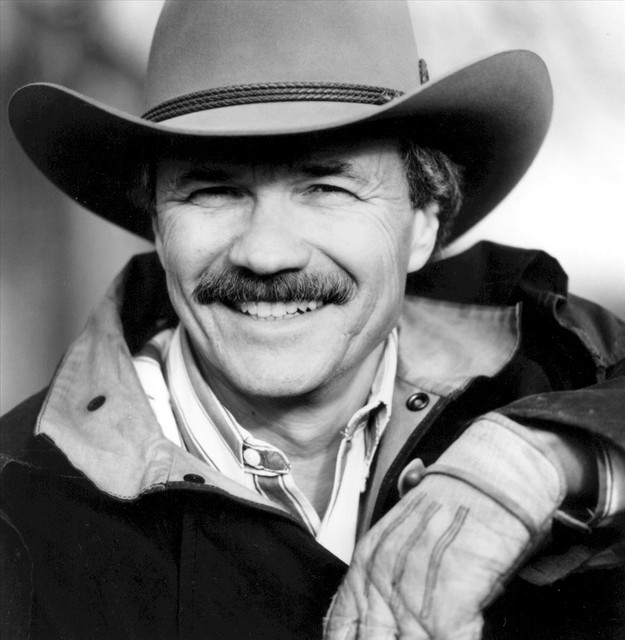
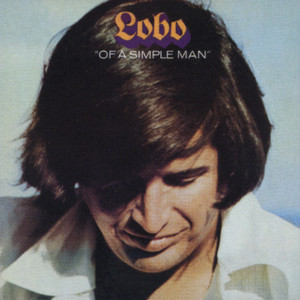
Best remembered for soft-rock perennials like "Me and You and a Dog Named Boo" and "I'd Love You to Want Me," Lobo was the alias of singer/songwriter Roland Kent LaVoie, born July 31, 1943 in Tallahassee, FL. At 17 he joined the Rumors, whose ranks also included future luminaries like country-rock pioneer Gram Parsons, country-pop cut-up Jim Stafford, and noted drummer Jon Corneal. From there LaVoie attended the University of South Florida, joining the Sugar Beats and making his recorded debut on their 1964 single "What Am I Doing Here?" Although the group proved short-lived, it inaugurated a lengthy collaboration between LaVoie and bandmate Phil Gernhard, who would later produce all of Lobo's hits; together they also helmed the Jim Stafford favorites "Spiders & Snakes" and "Wildwood Weed." Stints in the Little-Known Uglies and Me & the Other Guys followed before LaVoie issued his debut solo single, "Happy Days in New York City," in 1969. Two years later, he recorded "Me and You and a Dog Named Boo"; sensing the song's hit potential -- but also wary of succumbing to one-hit-wonder novelty status -- he adopted the Lobo moniker, and after the single cracked the Top Five in the spring of 1971, many assumed the record was the product of a group and not a solo act. The album Introducing Lobo also yielded the minor hits "I'm the Only One" and "California Kid." Whatever his original intentions, LaVoie maintained the Lobo alias for the follow-up, 1972's Of a Simple Man, and the gambit worked; the album scored his biggest chart hit, "I'd Love You to Want Me," as well as another Top Ten smash, "Don't Expect Me to Be Your Friend." With 1973's Calumet, Lobo earned three more Top 40 hits: "It Sure Took a Long, Long Time," "How Can I Tell Her," and "Standing at the End of the Line." However, outside of "Don't Tell Me Goodnight" from the 1975 LP A Cowboy Afraid of Horses, LaVoie's commercial momentum dissipated as the decade continued, and after notching a number 23 hit in 1979 with "Where Were You When I Was Falling in Love," his chart run was over. After a short stay at Elektra, in 1981 he formed his own label, Lobo Records (later rechristened Evergreen), releasing a series of little-noticed singles before retiring from performing in 1985. Lobo returned to duty in 1989 with the Taiwanese release Am I Going Crazy; his popularity in the Far East is still strong. In 1995 he signed to the Singapore-based Pony Canyon imprint for a number of new LPs, including Asian Moon, Sometimes, and You Must Remember This. ~ Jason Ankeny, Rovi
Get notified when Lobo announces a show
Be the first to know.


What kind of music does Lobo play?+
Lobo plays soft rock, pop, easy listening - understated, rooted in tradition rather than chasing trends.
What are Lobo live shows like?+
Lobo's live sets are minimal and understated - more about the music than any kind of production.
How can I find out when Lobo is playing?+
Follow Lobo on Mood to get notified when new shows are added. Mood tracks their upcoming events across all supported cities.