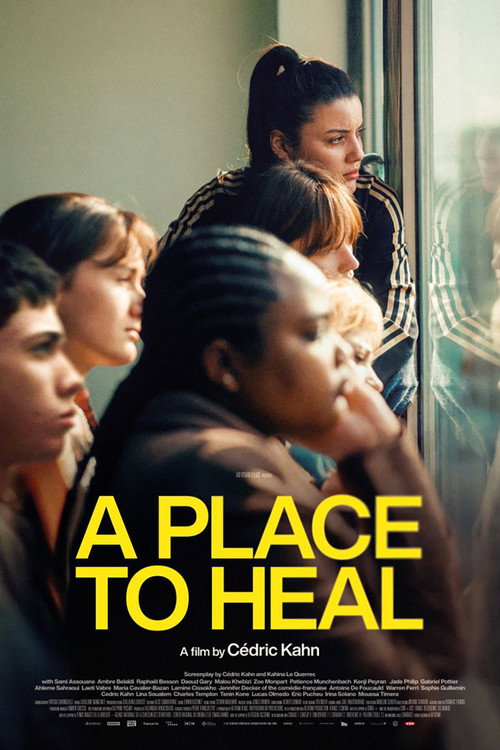
a wholesome mix of 80% authenticity from our beloved cinema of social realism & 20% poetic undertone to what could otherwise become too much bleakness. covers many truths about youth psychiatry, from the different form of stories the mental health struggles are bringing with them, to the comradeship between the different team members stirring the ship that is chronically underfinanced everywhere in the world. just good, decent, yet unsurprising cinema till the last quarter when the film dares more, the poetic tone takes over and we go together with our people on screen into uncertainty. unfortunately the pacing is suffering from that, and - although the highlighted message is one to appreciate - 15/18 does not really stick the landing. still an adequate, decorous competition title for an A-lister though. /// Venezia 83 ///
VENEZIA 83 #8Ancora una volta il realismo francese dimostra la sua capacità di toccare temi scottanti. Il cinéma verité con i suoi tipici tratti da documentario entra al servizio di un gruppo di adolescenti francesi ricoverati nel reparto psichiatrico 15/18 di un ospedale francese. Il regista Cédric Kahn adotta questa volta uno sguardo alle Dardenne per entrare nella mente di questi giovani colpiti da tendenze suicide legati a traumi, dissapori con la famiglia e a questioni legate alla propria identità. La vita quotidiana nel reparto viene osservata come in un dietro le quinte i turbamenti dei ragazzi per mezzo della camera fissa che analizza il loro volto in continuo cambiamento (tra un'emozione e l'altra) mentre il formato ridotto li fa escludere da tutto (li isola o, meglio, li intrappola), separandoli da adulti che cercano di comprenderli come dottori, infermiere e poliziotti oppure che li ignorano del tutto (genitori in primis), risultando soltanto come voci che rimbombano nella loro caotica mente. Una lunga serie di conflitti e relazioni che si dipanano attraverso una interminabile routine fatta di visite psicologiche, controlli e terapie di gruppo, alla ricerca di una sanità all'apparenza irraggiungibile. A questo punto solo la fuga é necessaria, attraverso un mondo esterno che é stato solo immaginato. Forse un po' troppo. L’atmosfera si fa più artefatta, palesemente ricostruita e più appartenente al mondo della fiction. Alla fine il tutto è solo parte di un percorso, di uno psicodramma per poter veramente rinascere e purificare il proprio spirito trovando la pace.——————Once again, French realism demonstrates its ability to tackle burning issues. *Cinéma vérité*, with its characteristic documentary style, is employed to focus on a group of French teenagers admitted to the 15–18 psychiatric ward of a hospital. Director Cédric Kahn adopts a Dardenne-esque approach here, delving into the minds of young people struggling with suicidal tendencies linked to trauma, family discord, and identity issues. Daily life in the ward is observed—almost like a behind-the-scenes look—through a static camera that scrutinizes their ever-shifting expressions as they cycle through emotions; meanwhile, the tight framing isolates—or rather, traps—them, separating them from the adults who try to understand them (doctors, nurses, police officers) or those who ignore them entirely (primarily their parents), leaving these figures as mere voices echoing within their chaotic minds. A long series of conflicts and relationships unfolds amidst an endless routine of psychological evaluations, check-ups, and group therapy sessions, all in pursuit of a seemingly unattainable state of mental well-being. Ultimately, escape becomes the only necessity—an escape into an outside world that has existed only in their imaginations. Perhaps a bit too much so; the atmosphere becomes more contrived, clearly staged, and more akin to pure fiction. In the end, however, it is all part of a journey—a psychodrama—enabling them to truly be reborn, cleanse their spirits, and find peace.