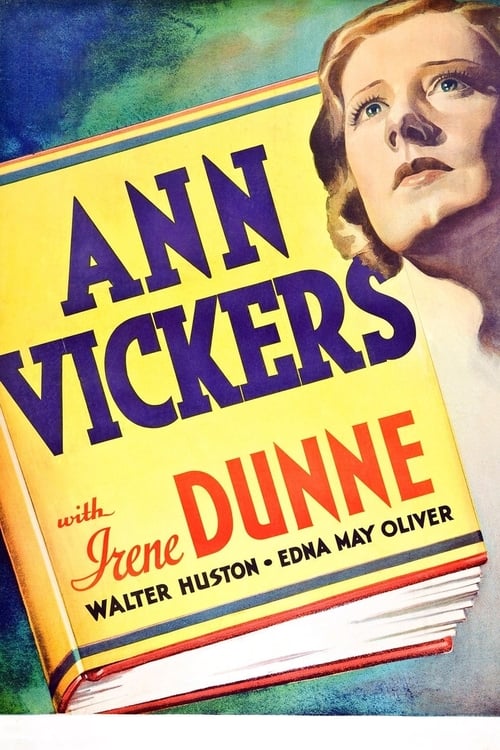
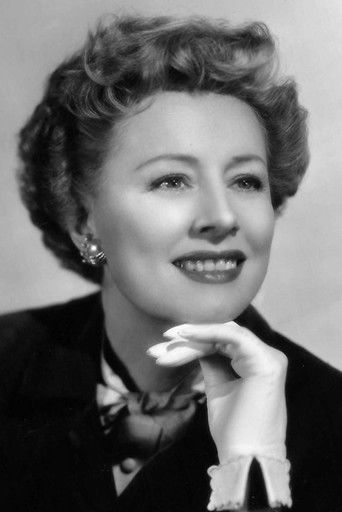
I genuinely wonder how Irene Dunne, a famously devout Catholic as well as a Republican, felt about starring in Ann Vickers, a film adaptation of a novel by one of American literature's most illustrious leftist writers, Sinclair Lewis, in which her character, a career-minded activist for prison reform, has sex outside of marriage and, more shockingly given the time period, gets an abortion. The ending can be viewed as a conservative correction to Ann's radical tendencies, but that isn't enough to undo the preceding seventy minutes. I'm intrigued by director John Cromwell, who, between this and The Silver Cord, has demonstrated a clear interest in the desires of working women and an almost satirical skepticism of American institutions (family in The Silver Cord and the criminal justice system in Ann Vickers). PS Walter Huston's "C'mon, let's go and get a drink. We'll kill a policeman and I'll sentence both of us to live in your pretty jail" is maybe the greatest pick-up line I've ever heard.
The type of early-30s film where you dared not take a comfort break for fear of missing three plot points during your absence. Irene Dunne is eternally watchable, here as a proto-feminist who mostly sidelines love for philanthropy but invariably gets her heart broken when she does weaken for a studly smile.The problem is the whippet-thin running time of 76 minutes. Far too much happens in that hour and a quarter, and nothing is entered into in sufficient depth. There's an interesting montage sequence of institutional abuse in a prison but literally before you know it, Ann Vickers has written a best-selling book about the penal conditions and forged a successful new career from it.Walter Huston is a victim of this express-train plot progression. There is something not quite trustworthy in his eyes (great actor that he was) but how much are we to read into his legal travails? Villain or victim? We never completely know. John Cromwell manages his actors well (although how much managing would performers of this calibre actually need) but his film is regrettably bitty, a shadow of what it could have been with an extra 15 minutes to play with.
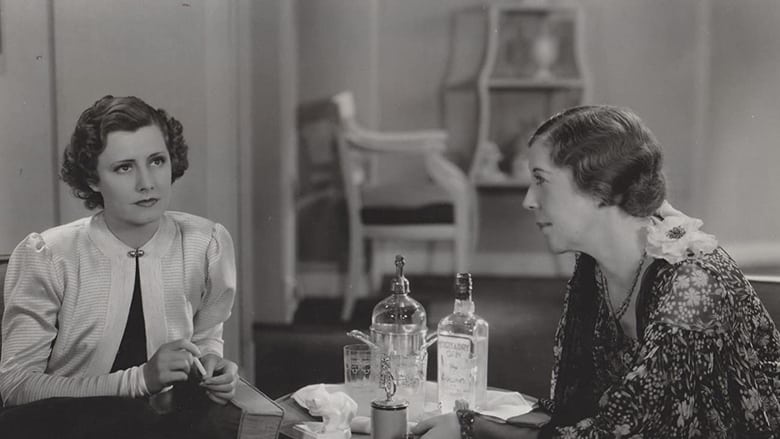
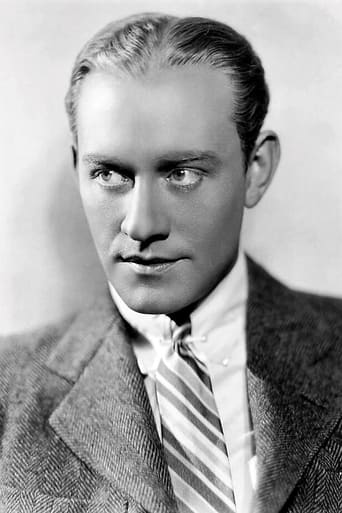
jaded me: Amen to ..."But as a matter of fact, I don't want to weep.""Well, that's something to be thankful for.""It is until I saw him. It's amazing, Malvina, how with just a few words he freed me of him. Completely.""Yes. Some men have a gift that way.""I mean, he freed me of him mentally, spiritually, physically. It's as though I've never known him.""Right this minute I almost regret not using the regulation woman's wiles of luring him into making love to me. … I know. If I want a man, I must lure, flatter, be ecstatically impressed by all he says or does, be quietly aloof, wistful, flattered by his hand clasp, arousing him into a conviction that I'm a swooning mystery which he must understand or die. No, I'm hanged if I will."Walter Huston: Hi--also me: Oh no, I'm in trouble. I suppose, paraphrasing Ann Vickers, consistency is not one of my virtues. > I liked Irene Dunne in something. Finally. It's probably because this was decidedly not a comedy. A Christmas miracle! Praise be. (see? I knew she had the makings of a dramatic actor)> Waited too long for Walter Huston to make his entrance (no, small scene earlier did not count). Two thirds the runtime? Damn. > Wow, wasn't expecting that ending, because I thought something horrible would happen. I wonder how the book ended. Seems very Old Hollywood to end like that. > Irene Dunne making an entrance into the women's prison with the camera panning from her front to her side and framing her against the shadows of the bars was CINEMA. > Irene Dunne insults Conrad Nagel for being too strait-laced. Wow, huh, that really happened. > I wish this was longer. It felt too episodic, strung together without us feeling like Irene Dunne was a prison reform social worker. I'm sure the book is better, but the book also did not have Walter Huston. > Thank you, Pre-Code Essentials, for putting this on my radar sooner rather than later. I'm sure this isn't a 3.5 star film, but it sure made me feel, so, despite its flaws, it's good.