




as soon as this film ended i went online and enlisted in the US army. no child will ever suffer like this again on my watch
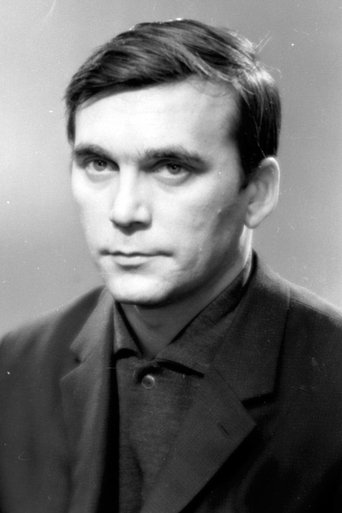
Regie Elem Klimov
Иди и смотри
Ein düsteres, von der Kritik gefeiertes Drama.
Weißrußland, 1943. Der 14jährige Fljora schließt sich gegen den Protest seiner Mutter den Partisanen an. Für ihn ist der Krieg noch ein Kinderspiel. Als es in den Kampf geht, darf er nicht mit an die Front. Fljora soll statt dessen mit Alten und Kindern ein Reservelager einrichten. Der Junge fühlt sich alleingelassen. In den Wäldern trifft er auf das Mädchen Glascha, die Geliebte des Partisanenführers. Fljora versucht sie zu trösten, als die Hölle über beide hereinbricht: Sie sind in einen Angriff der deutschen Wehrmacht geraten! Nur knapp können die beiden dem Tod entrinnen. Aber die Schrecken haben noch kein Ende…
Come and See läuft derzeit in keinem Kino.
Folge dem Film in der App, um benachrichtigt zu werden, sobald Spielzeiten dazukommen.
Spielzeiten zu Come and See, jeden Morgen aktualisiert
Wähle dein Kino und bekomm einen Hinweis, bevor der Film aus dem Programm fällt.
as soon as this film ended i went online and enlisted in the US army. no child will ever suffer like this again on my watch

Come and See is a film I find almost impossible to review. Describing watching a film as an 'experience' often detracts from the quality of the piece, but going by the profound effect the film had on me I really feel no other word can do it justice.World War 2 films often seem to fall victim to Hollywood romanticism and sensationalism and while that certainly has some appeal, I always prefer my war films on the grimmer side. Grim and bleak is something the Russians do really well and combined with the atrocities that occurred during WW2 in Belarus, what we are presented with is one of the most disturbing and confrontational studies of the devastating effects of war I have ever seen.We follow young Florya on a journey that is heart searing in its depiction of loss of innocence, man's sadistic and cruel nature and the indiscriminate destructive force that is war. The inevitable destruction of this young boy's soul captures the horrors of war in the small and individual suffering of someone swept along in a maelstrom of havoc and hate, slowly but surely losing control over his own destiny, having his sanity and childhood annihilated in the process.Aleksey Kravchenko gives a stunning performance. The depth of emotion he manages to evoke is amazing. There are a handful of scenes where he just stares in the camera at you and as the film progresses these stares lose their humanity and gain primal almost bestial emotion, culminating in a devastatingly beautiful final scene that makes its point with fierce anger and poetic acceptance of the cyclic nature of violence.Apart from its brutal honesty and its uncompromising approach to atrocious acts of war, there is also a bizarre beauty in the dedication with which it is made and the way it seems to transgress from a surreal daydream to nightmarish reality. The beautiful cinematography and wonderful camera work at points provide welcome relief, allowing you to take a bird's eye view for a while and find some beauty amongst the ugliness.Come and See is an experience that I can't recommend as it is unbelievably disturbing. I will label this with perhaps an even worse term. Come and See is an important film. It should be regarded and respected as one of the most important films about war ever made. It lays bare so much about human nature and about what horrors we are still capable of, that this is unmissable for anyone who doesn't mind having a mirror held up to you that stares with unrelenting pity and sadness.

What a horrible nightmare!
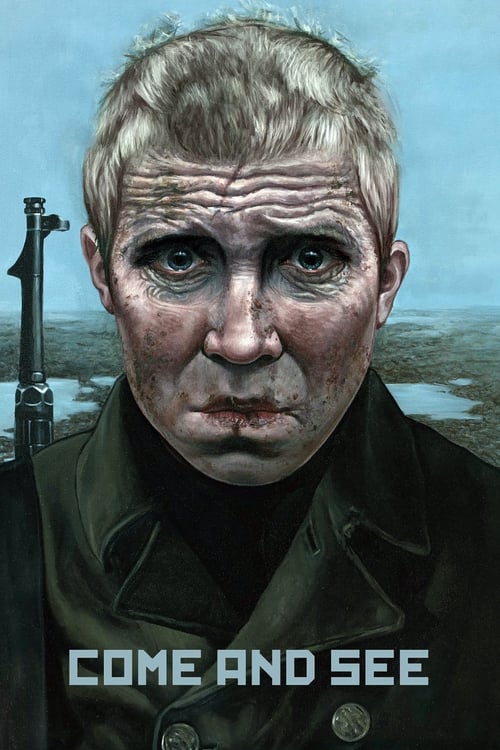
Come and See ([object Object], [object Object], [object Object], [object Object], 1985) ist
Regie bei Come and See: Elem Klimov.
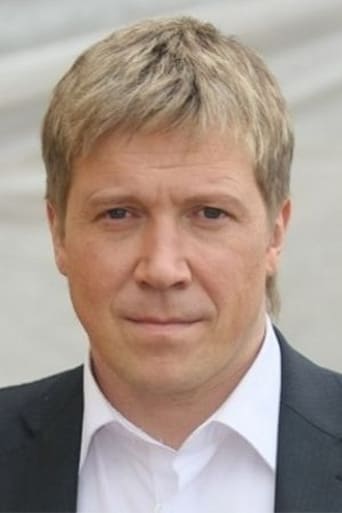
In Come and See spielen Aleksei Kravchenko, Olga Mironova, Liubomiras Laucevičius, Vladas Bagdonas, Jüri Lumiste.
Come and See ist mit 4.6 von 5 bewertet (494.389 Bewertungen).