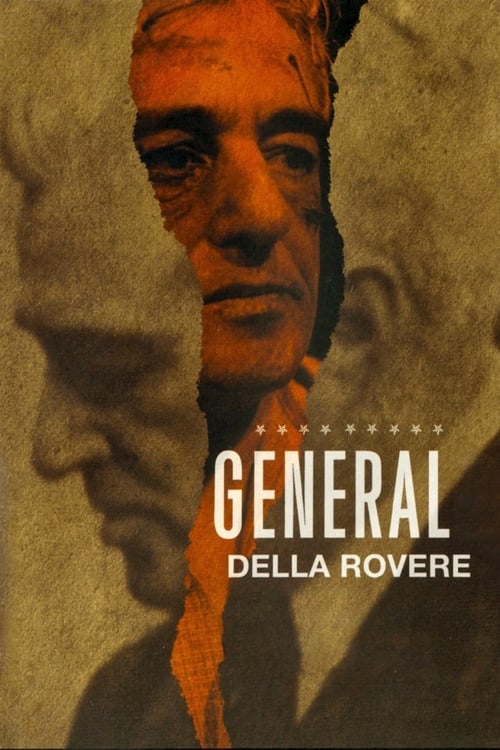
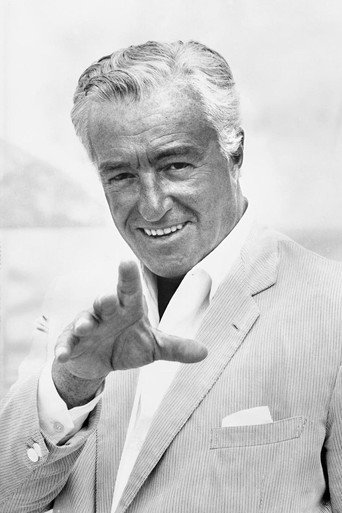


Fascism as bureaucracyRossellini gives the study of totalitarianism some additional firepower by showing its administrative side and the power of obedience without ever needing a monologue. This is such a hybrid (meta) film to watch, especially with Vittorio De Sica himself in the leading role, which was clearly a conscious choice on Rossellini’s part from a neorealist perspective.And De Sica is our blank canvas onto which Rossellini can paint all kinds of things, what does it mean to be Italian under fascism, what is the individual, and what is required for a collective identity to exist? There’s a saying that “the individual needs to be sacrificed for the common good,” which is, of course, more of a collectivism rallying cry, but I loved how the idea of something greater than the individual comes through in our myth general Della Rovere. The exploring aspect of that tension between individual survival and collective moral responsibility through such mundane contrasts of life under fascism in Italy is something that you could dig into here (I won't). There are a lot of these small details of heroism and sacrifice showing itself in somewhat powerful way, without ever resorting to bombast.So I really recommend this from... maybe from historic perspective, and for the way it portrays Italy under fascism, with the machinery of nazi occupation setting the pace as it carries out its own process of cleansing. The pacing is a little two-sided, because this is over two hours that essentially has two different parts, with the latter losing some of its momentum. The same goes for the film’s “neorealist” side, I mean it isn’t really neorealist, and that is precisely what Rossellini seems to be going for, so it isn’t a criticism at all. His direction is more politically and ideologically ambiguous, and broad enough that you can take from it whatever you, as an individual, find most meaningful. Still, 4 strong stars.83/100