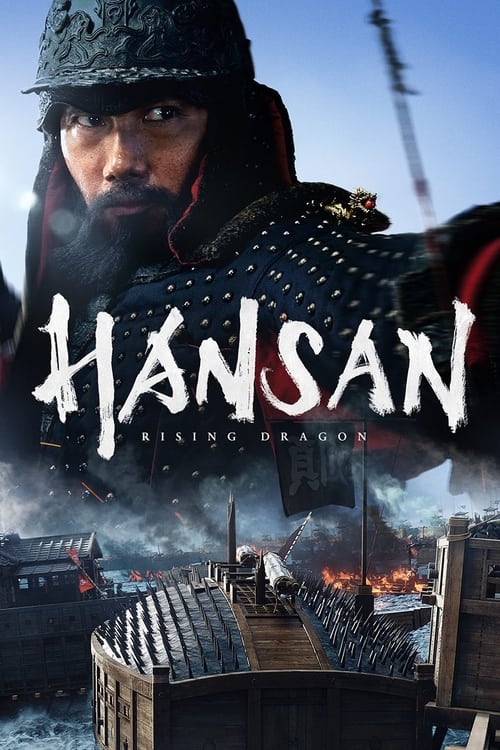
The historiography and mythologization of Yi Sun-shin and his naval victories have always been fascinating to me, so I've been working on an extensive essay on the trilogy of Yi Sun-shin films that Kim Han-min has directed. I figured it'd be best to save it for the last film once it releases, as I'll also be sharing my extensive thoughts on the first two films by then. But if I have to summarize my thoughts on this film, it mostly aligns with the way I view mainstream cinema in general. My thoughts on Hansan are not much different from those I have on the MCU, though it's important to note that films like Hansan can be identified as "nationalistic cinema." Many nationalistic Korean movies have succeeded in the Korean movie market, and although I generally criticize or at least question the way many mainstream films engage in their mobilization of nationalism and patriotism, it's also important to note that modern-day Korean nationalism came into being as an ideology for defending the interests of a nation in the course of its formation and development against imperialistic and colonialist forces. Yet it was also understood and, therefore, reconfigured as a new and separate ideology that defended fascist or, at least, bourgeois interests, utilizing nationalism as an ideological means for realizing class domination. This bourgeois nationalism reveals itself as national egoism and chauvinism in the relationship between countries and nations. It's reactionary in that it creates antagonism and disagreement between countries and nations without offering reconciliation between those in conflict because this nationalism itself is not primarily in service of opposing imperialism or colonialism but instead reinforces exclusionary beliefs of superiority or purported righteousness. To me, Hansan is yet another nationalistic Korean movie that constructs and reconstructs the noxious nationalism associated with the historiography and mythologization of Yi Sun-shin, all of which reaffirm the national values, identities, and narratives in support of sowing division through commercialized Korean pride.Some of the turtle ship scenes were hype tho ngl
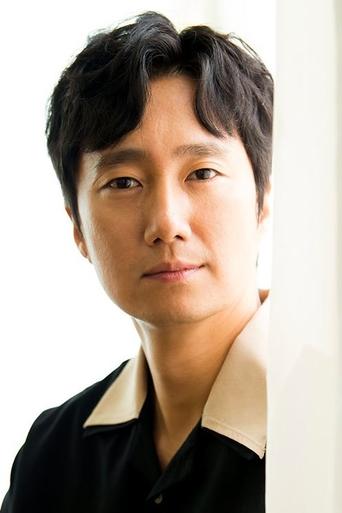
The Admiral: Roaring Currents has the record for most admissions of a domestic film in South Korea – and only narrowly lost the highest grossing title to Extreme Job (2019). That film follows naval commander Yi Sun-sin’s remarkable victory at the Battle of Myeongnyang. Director Kim Han-min followed the smash hit with a documentary, which acted as a historical overview leading to the Myeongnyang victory, but has otherwise spent the past few years as a producer. With Hansan: Rising Dragon, Kim unleashes a prequel – the second in a planned trilogy.The Battle of Hansan took place in 1592, five years before the Myeongnyang triumph. The eight years between pictures also required casting changes, with Admiral Yi now played by Park Hae-il (who has previously defended Korea for Kim in War of the Arrows). This is a slight blow, as Choi Min-sik gave one his best performances in Admiral – but the passage of time necessitated it. Park still manages to hold his own, though the scenario doesn’t offer him as many opportunities for brooding introspection. The other thing that makes the Admiral stand out is one of the most epic naval battles ever depicted on film. Technological advances mean that Hansan brings the boat ramming glory to digitally lush extremes, but here the fight is more a climax than the picture itself. These contrasts aside, other than an understanding that Admiral Yi is famous, recognizing that his exploits will continue past this, and a general appreciation for Turtle Boats – you will not have needed to see Roaring Currents going into Rising Dragon.The only aspect that troubled me – was a roll out of officers that get title cards as famous figures, but little actual character development. Hansan is going off of records, and clearly aiming for historic accuracy, but the cavalcade of faces introduced – while handing us a lengthy land skirmish with only one established character – feels like Gods and Generals (2003). That is not a knock on Ronald F. Maxwell’s approach to the war genre, but the similar vibe should be recognized going into these waters. This issue aside, Hansan delivers the same nautical action, Kim crafts a compelling narrative out of the battle, and I’m left wanting my own turtle boat.South Korea Marathon
It’s the kind of big historical film that Hollywood hasn’t made since Master and Commander: The Far Side of the World back in 2003. It does test your patience at times, but the battle scenes in the second hour makes up for everything with an even well conceptualised climax.