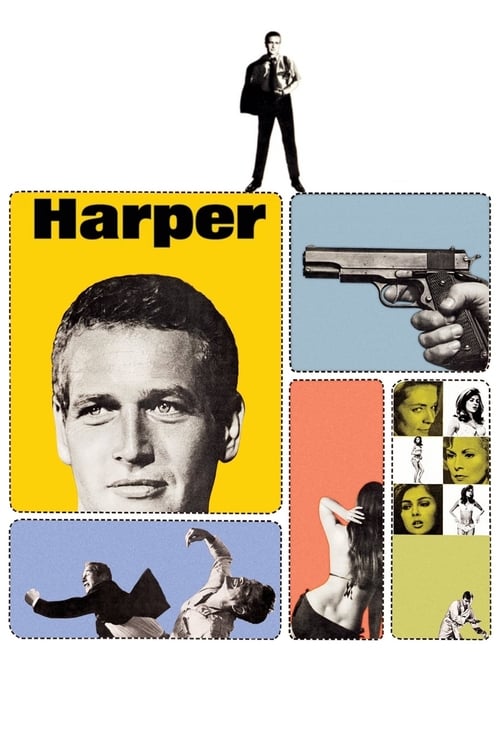

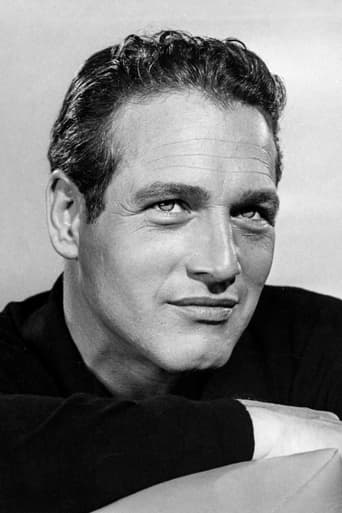




Tell him that, lawyer. Tell the man he is not loved.Lew Harper despises himself, and he makes it his mission to make sure every woman he meets does, too. He's flip, rude, and smug with them, presenting himself as the man he imagines he must be, deep inside his ravaged, shameful soul. He's cold, unworthy, and unloved, someone from whom all women should steer clear; it's Harper himself who warns them about his irredeemability.There's a barely hidden rage in Harper, a rage he covers with childish clowning, glib conversation, and despicable behavior, as when he seduces an alcoholic former starlet in order to get information. There were other ways to approach her (to talk, to win her confidence), but Harper's first choice was the worst one; the most unforgivable — and one for which he verbally flays himself before the girl who thinks she wants him, just so she knows what kind of man he really is. He habitually seizes the worst option and holds it tight, plunging into darkness with an impulse just this side of suicidal.Even his own wife is a casualty before Harper's self-loathing, a victim of a well-worn seduction that she recognizes as woven of lies and deception even as she succumbs. And, when he dresses quickly and leaves her house (eggs and bacon — their now ironic reunion breakfast — still sizzling on the stove) it's as if he's donned a hair shirt: their (final?) encounter is just another piece of evidence that Lew Harper is an unworthy bastard, one he wraps up and carefully stores away with all the others he's collected over the years.The only people around whom Lew is relaxed are men. Whereas he pushes Miranda away with cruel ferocity, he's open about his attraction to Taggert, referring to him as "Beauty" from the moment they meet, both to others and to his face. With Beauty, Lew isn't cruel, he's not cold, and he's not angry. Instead, he's wry but indulgent, honest and grudgingly affectionate in a way he isn't with a single woman in the film. Beauty is a man he could let into his life — a man he could let see the Harper who still hopes; who still, secretly, believes in his own potential for goodness.And then there is Albert. Albert who knows Lew better than anyone else does and who, somehow, loves him in spite of what he knows. It's only with Albert that we see who Lew really is: a man by turns jovial, exhausted, and philosophical. When Albert appears to let him down, Harper nearly breaks — this is one person against whom he can't put up his shields of woven disdain and arrogance; the one he cannot bring himself to drive away (who won't be driven away). If Albert lets him down, Lew's hope will be snuffed out for good; this man who lives for the five or six good weeks every year will stop clinging to the possibility they might come and, instead, lie down and wait to die. (Or, more likely, throw himself even more eagerly into risky behavior, begging for death until, mercifully, it is granted.)Only, don't lie to me, Albert. Lying is for other people.