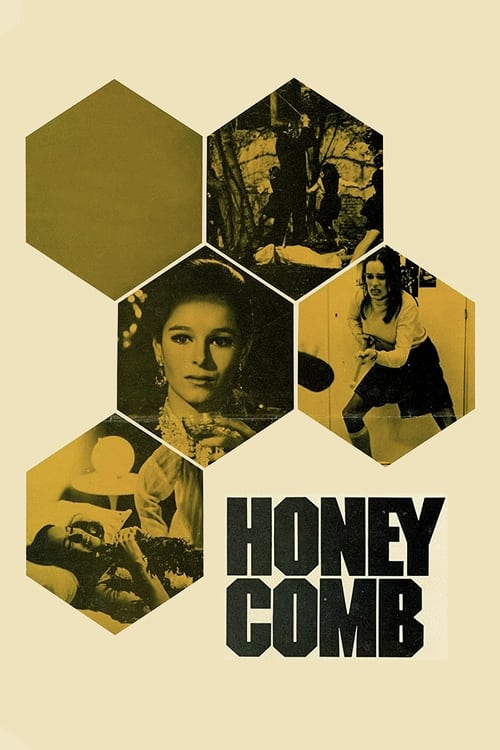
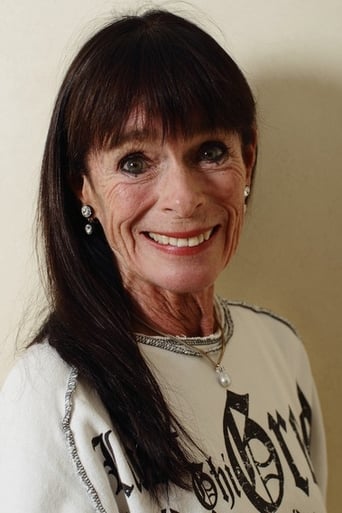
Geraldine Chaplin only has one writing credit, and it just so happens to be this balls-to-the-wall hidden gem. She's also the starring role, propelling the film beyond its sturdy divorce psychodrama premise into a surrealistic vision of play and high drama at the end of a relationship -- role assignments, role reversal, roleplay.For every girl who's ever asked "Would you still love me if I was a worm?"
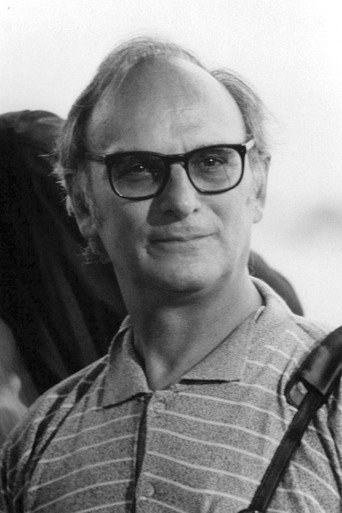
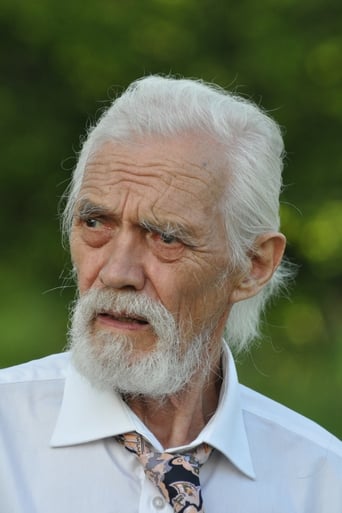
Automotive-manufacturing executive Per Oscarsson and his wife Geraldine Chaplin live in a sleek modernist home, surrounded by sleek modernist furniture. When they store her late parents’ antique furniture in their basement, however, odd things start to happen. Chaplin starts having nightmares and sleepwalking. At times, she literally reverts back to her childhood. Oscarsson decides to play along. Then, he plays along some more…. During a holiday weekend, Chaplin sends their servants away, and they start playing with each other more intensely. Is it make-believe, or is it a kind of psychological brinkmanship? What happens when one of them goes just a little too far?This feels like two different films stitched together. The first half is fairly typical of director Carlos Saura’s work. The presence of the prior generation’s belongings prompts Chaplin’s regression, as well as slightly surreal dreams for Oscarsson (who earlier claimed that he never dreams). As in his preceding film Stress-Es Tres-Tres, Saura seems to suggest that, despite its rapid midcentury modernization, Spain isn’t far removed from its superstitious and patriarchal past — certainly not with the aging Francisco Franco still in power. The second half shifts into psychological drama (perhaps even psychological horror) that was likely influenced by Roman Polanski’s Repulsion and Curtis Harrington’s Games. Both halves are interesting, but the growth of the second out of the first doesn’t feel as organic or as logical as it should. The whole just doesn’t cohere. That said, as I’ve been diving into Saura’s oeuvre a bit more deeply lately, I’ve been impressed at how consistently feminist his work is. Like Stress and Anna And The Wolves, this is as much a study of the dangerous fragility of Spanish machismo as it is a commentary on the state of the Spanish nation. During one of Chaplin and Oscarsson’s games, he role-plays as Chaplin’s father, thereby underscoring the patriarchal continuities between a girl’s childhood and a woman’s adulthood after marriage. It’s clear that, as the wife of a wealthy businessman, Chaplin has little to do with or for herself. Frankly, I was expecting Saura to do more with that idea — perhaps by using it as the basis for what at first seems to be Chaplin’s mental deterioration. But then, as the second half takes off, Chaplin’s character gains more agency and assertiveness. Again, the direction the film takes is interesting, but it’s a bit too different to work completely.It’s also worth noting that Chaplin receives credit for co-writing the screenplay, alongside Saura and Rafael Azcona. As far as I know, it’s her only writing credit to date.