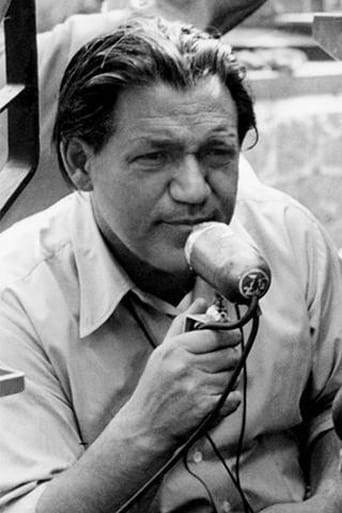


Brecht's concept, portrayed on the screen during the final years of the Weimar Republic, was remarkably audacious even for its time. It's worth noting that Brecht would soon face outlawing, just a year later. In the late 1920s, Kuhle Wampe emerged as a well-known tent city on the outskirts, giving birth to an entirely new element, a fresh force that stood ready to challenge the injustices and dishonor prevalent in the capitalist world. Ernst Busch, the playwright's associate who also excels in the lead role, delivers powerful working-class anthems. Martha Wolter, a future activist of the Rote Kapelle, portrays a minor yet significant character. This film holds immense significance as a vital and still relevant retrospective for postwar Germany, among other things. Despite Dudow's visually dramatic approach, this is a film made by real people, depicting real people and made for real people. Let us commend the director, as the opening silent scene remains one of the most dignified film introductions ever created.