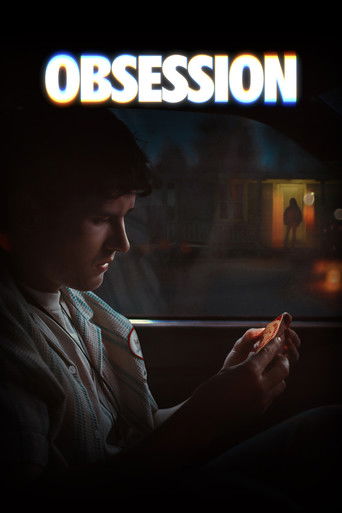
Casting lines, dropping nets wherever we can. Taking chances when opportunities arise, like vectors with no direction headed for nowhere. The past haunts and the present daunts, and often we feel we are the ones who’ve been caught in the mesh.We’re the fishermen and the shoal, flapping in a fit of frenzied slashes for our position in shallow water, using all we have from head to tail trying to survive. Grace is hard to come by when you can barely even breathe.A smoke trail of American commerce is always rising, floating up higher and higher, far beyond the continental shorelines. Everywhere you look there are people with lives gone awry, trying to set examples and start anew, pave paths, break fresh ground, turn the earth into their currency, or simply stay afloat long enough to see where the end of this road will lead them.Seeing the scenes play out before you, in every barroom and tourist trap, closed down factory and old vessel, the same stories with the same endings. One can feel hopeless for the future— nothing to it but to do it, right? But to do what? Too tired to live, too busy to die.Our condition is merely a matter of survival, like an excursion through the dense thickets of your own personal desertion—existence as the diary wherein every day you wake up, make your way out into the world, come home and decide what to put in between its covers.The pages are left blank, you’re the one who gets to fill them in, and agency comes with a decision to accept what comes, no matter its mystery. Conclusions are not pre-written, you can’t know their results until you reach them.Step out of the shadows, abandon the transient comforts of the coppice you’ve been residing in the shade of and embrace whatever happens next. I hope it’s safe out there.Living is a leap of faith.
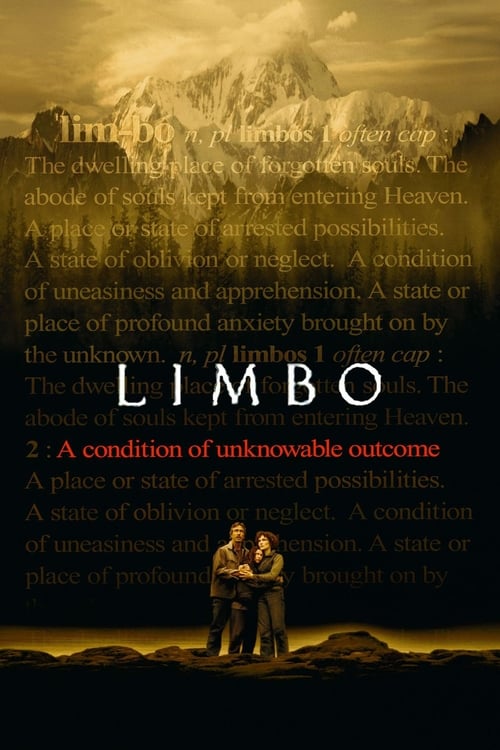
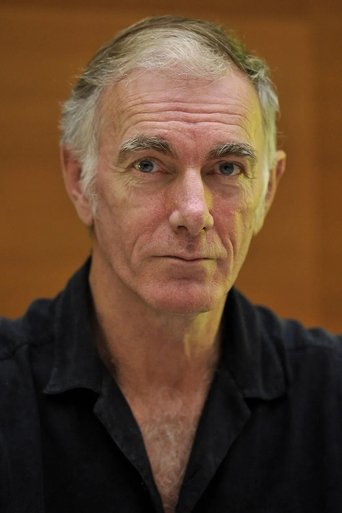
What are you buying when you get on a roller coaster? Not risk... but the illusion of risk. Being hurled to the edge of danger but knowing that you'll never have to cross it. Now Mr. Disney's innovation was to put these carnival rides and attractions into a story context where you can imagine yourself as a character in one of his cartoon epics floating through a plaster of paris jungle. The obvious next step... is not bigger and better facsimiles of nature but nature itself. Think of Alaska as one big theme park."Viewed with the insightful and awesome Joshua Dysart. Check out his review also! Give him a follow! The great independent forefather John Sayles does not get enough recognition for his cinematic accomplishments. He, if anything, is the master writer of his generation and potentially gives everyone else a stout run for their money. I can think of no one else who juggles an ensemble of a dozen characters with so much ease, intertwining lines of dialogue between multiple conversations to make fantastic comparisons in the grand scheme of his message. Sayles then manages to whip up an interior and exterior narrative that converge into a major poetic digression, fleshing out our three main characters in Limbo beautifully. Not only that, he is so far the only director-writer that I am aware of who consistently bangs out heart-wrenching finales, creating four of the greatest cinematic endings I’ve personally had the privilege of seeing—this is one.From the first seconds of salmon restlessly swimming upstream in a conglomeration of madness to the Alaskan frontier setting to Mastrantonio’s drifting nightclub singer to that insane ending, Sayles is in complete control with his message. He tells us with every one of these pieces that the characters, as well as the viewer, will be suspended in a state of “limbo” throughout the narrative. It is a point to say that Juneau is one of the only places on Earth where all roads virtually lead to nowhere, and therefore, must be reached by boat or plane. The brilliance of the setting cannot be said enough for how it effects the three main characters, the themes of nomadic life, human interaction, and always being in a state of transition.The first half of the film makes commentary on Alaska’s beauty and mystery as the Last Frontier, both as a tool for consumerism/exploitation and as a place of incredible hardship. Sayles undoubtedly inserts his political persona into many of his lesser character’s psyches, but he does so with grace and with a tasteful finesse. All these locals want is to make a living, while the intricacies of the land and the economy clash persistently. The second half of the film dives into the meat of the story, as David Strathairn, Mary Elizabeth Mastrantonio, and Vanessa Martinez begin to plan a “camping trip” to come closer as a family while Strahairn takes care of a potential good money-making opportunity for his half-brother. Strahairn is roadhard and weathered, grizzled as a man with a haunted past, at one time cutting off his passion as a fisherman seemingly forever. Yet, the times get hard and you find yourself doing what you need to do to survive.Once Strahairn’s half-brother’s scheme goes south, the misfit family finds themselves in the hands of Mother Nature and Father Time, hiding from anyone who may want to kill them and surviving the harsh conditions of the Last Frontier. When Martinez discovers a long lost diary of a homesteader who perished in her family’s attempt to thrive off the great opportunity of the land, the poetic digression takes off. This “blank” interior narrative becomes an example of “limbo” itself, in both how it is written in the diary and how Martinez tells it. Sayles knows that providing a tidy resolution would be disappointment either way, and allows the viewer to fill in their own story, like Martinez with the diary.The brilliance of the film’s ending ties all of this together while punching you in the throat. Limbo asks you to navigate your own outlook on life in the face of both peril and opportunity and absolutely tests faith and love. There is threat and there is chance. There is risk and there is reward. The poetic digression highlights that these seemingly different stations are really two sides of the same coin.
Advertising my first review of Limbo hereThis is my 6th viewing.The secondary narrative regarding the homesteader's diary is the greatest use of poetry in a film ever. Words that tie all of the themes together, a beautiful digression that teases out the complicated mother-daughter relationship and addresses the morbid outlook of Noelle. How it mirrors the present scenario is obvious as it tends to a greater existential ache and creates a dynamic suspense. Sayles' brilliance, where he utilized smooth editing and sly scene changes to aid the themes of Lone Star, is found in the editing in Limbo again: using dissolves and implementing short accented scenes that guide you into a bigger pool. Risk, reward, luck, opportunity follow these characters and haunt their past. The only character who has yet to fully grow and has taken the brunt of her mother's consequence is the reader of the magical diary, suspended in the wilderness and within the confines of the human condition.