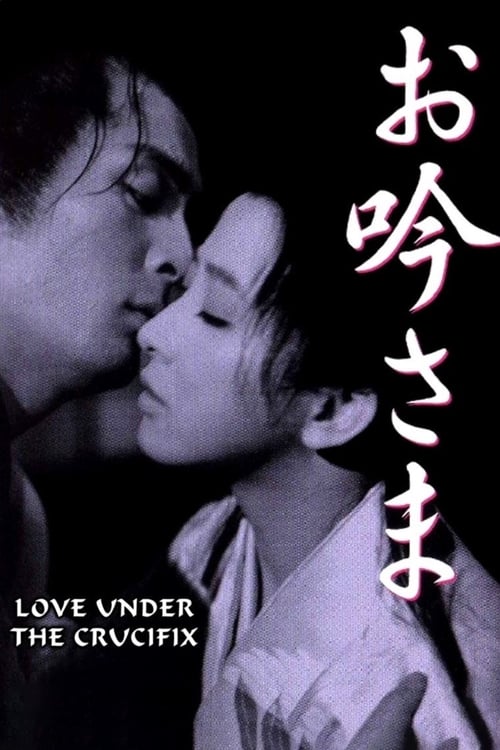
Até onde você iria pelo amor da sua vida? Para Gin, o sacrifício envolveria não apenas sua liberdade, mas também a própria dignidade e honra diante de um sistema que aprisiona seus sentimentos sob regras rígidas, sustentadas pelas hierarquias de um Japão antigo, onde dever, obediência e posição social valem mais do que qualquer desejo individual. Seu corpo e seu destino são tratados como moedas de troca para manter o status da família perante o regime,nesse contexto, a desobediência em relação ao seu casamento não é vista apenas como um ato de encerramento, ela é usada para reforçar as correntes de uma opressão que pune a autonomia feminina como uma traição, por mais que seu coração seja direcionado de forma incondicional a Ukon, esse caminho não se torna completamente viável, pois as condições em que esse amor se encontra são ameaçadas por uma série de fatores externos, como o forte cristianismo enraizado na cultura japonesa e o casamento ao qual ela está presa no momento.Cada uma dessas temáticas desenvolve-se de forma paralela, através dos desafios que surgem, existe uma barreira que precisa ser desfeita para que esse desejo se concretize, no entanto, abrir mão daquilo que foi imposto como dever significa encarar consequências capazes de consumir não apenas a própria liberdade, mas também a reputação e o futuro daqueles que ela ama. A devoção de Gin deixa de ser uma escolha pessoal para se tornar uma afronta direta à ordem estabelecida, ao mesmo tempo que é doloroso ver cada um da família sendo atingido de forma injusta, existe um acolhimento genuíno vindo deles, mesmo que o adultério a coloque em uma posição de transgressão dentro dessa condição, não existe apenas um caminho determinado, mas uma alternativa ao que foi imposto como norma.O preço que Gin paga por tentar seguir seu coração revela muito sobre sua coragem, a capacidade de permanecer fiel à própria escolha atravessa um percurso verdadeiramente difícil, mas entender o contexto ao seu redor torna-se fundamental para compreender as limitações existentes, embora a diretora Kinuyo Tanaka opte por deixar o tom da obra bem mais pesado na metade para o final do filme, nos minutos finais acompanhamos a culminação dessa resistência em uma entrega bastante impactante.“ eu não posso arrancar meus sentimentos por você, então eu acredito que mereço sofrer essa tortura “ “ uma mulher disposta a sacrificar sua vida, quer ver seu amado, mesmo que isso a leve para o inferno “
feels like an instance of a pretty good film that has got an incredible film inside of it. the romance between Nakadai and Arima is incredible (as are their performances which is to be expected from two acting titans) and even in scenes where they aren’t physically present together you can still feel their yearning for each other lingering in the scene. on the other hand, any time the film deviates from this romance and instead focuses on politics - which does inform the romance to an extent - it can feel a little bit unfocused. at heart this is a simple and powerful story about doomed love during hard times and i think the film is a bit too big for its boots when it tries to be too politically involved.
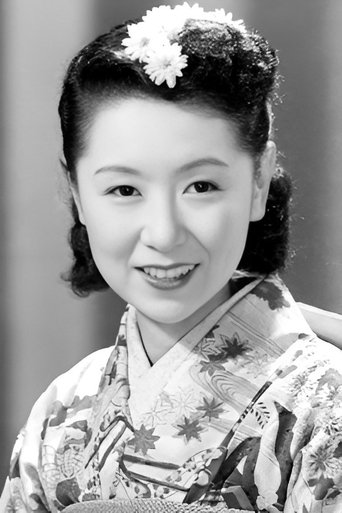
I know I say this every chance I get but Tatsuya Nakadai really was one of the best to ever do it. Playing an intensely christian feudal prince he performs it with all the stiffness the role demands but the tiny bits of emotion he lets flicker to the surface convey so much. Ineko Arima is here too in a far more heart-on-sleeve role but suffice to say we're up to our knees in acting talent. Kinuyo Tanaka is the director and there's a lot that plays to the trappings of women's romantic fiction here whilst avoiding the inanity and playing to complicated themes and being confrontationally feminist.We're doing doomed romance whilst also pointing out the cruelties and hypocrisies of women's treatment during the feudal era. Exceptional period detail and quite wonderful lighting exists throughout. We also have this conflict between the Japanese spiritual ideal and the behaviour of its ruling class. Our protagonist's father carries out the tea ceremony, a practice with immense spiritual and philosophical underpinnings. His stoic thoughtful nature conflicting with the local lord who wants to build a gold tea room for no reason other than his own ego and the indulgence of one of his wives. When completed it looks hideous. Said lord also desires our protagonist and he doesn't care if her heart belongs to another, he'll just threaten her dad's life to get what he wants. All this wisdom, all this emotion, all just so much nonsense for a man who does whatever he wants.To return to the central romance, again, it's very feminine coded. She respects his commitment to his faith and duties. She's independently talented and capable of surviving on her skills with no one else's assistance. There's endless yearning and eventually he admits his undying love. It's fairly typical for its genre but made stronger by everything that happens around it and the two aforementioned performances. Spoilers from here. The film ends with Arima's character deciding to take her own life and the level of weight and ceremony the film gave it actually really got to me. Her final tea ceremony with her family and confident walk to her eventual demise having a deep sadness but eerie conviction.Freya's rating: 4/5Logged in Criminally few ratings.