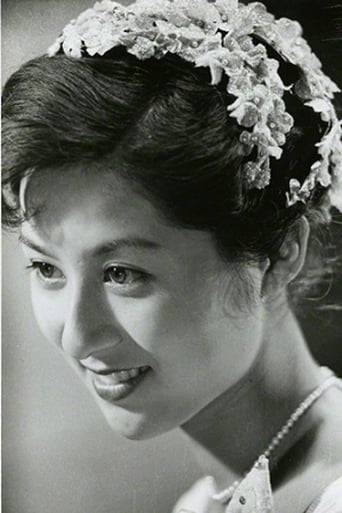
Kinuyo Tanaka
Schauspieler:in
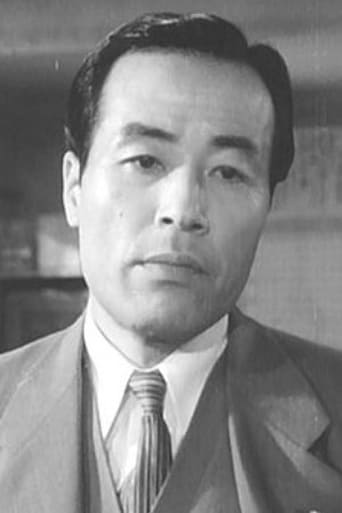
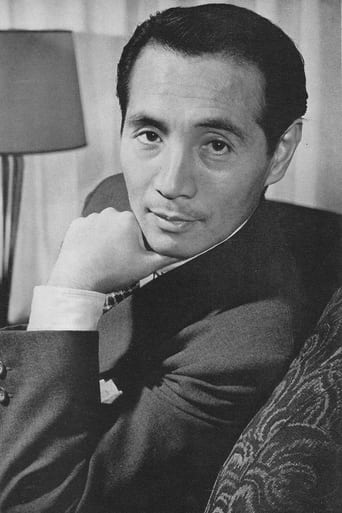
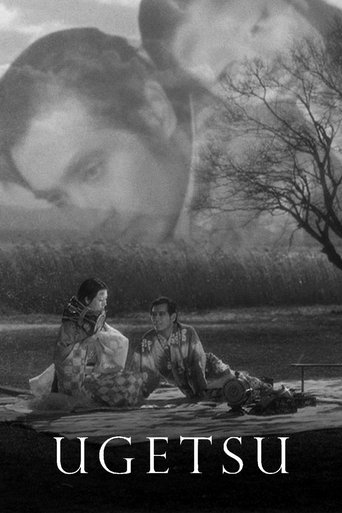
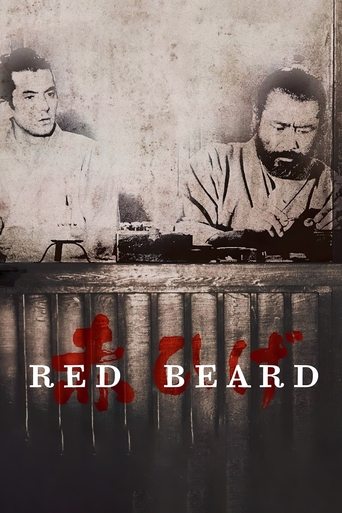
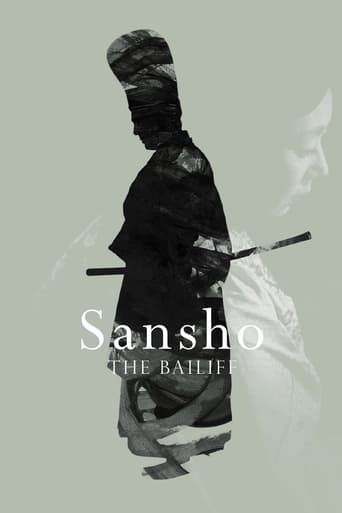
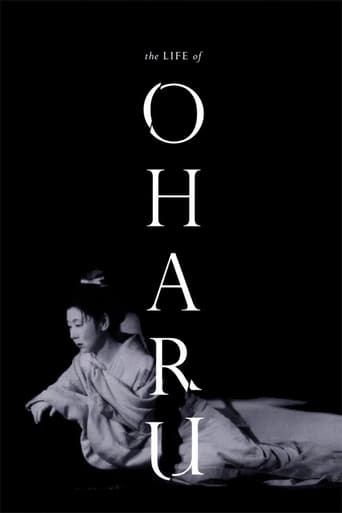
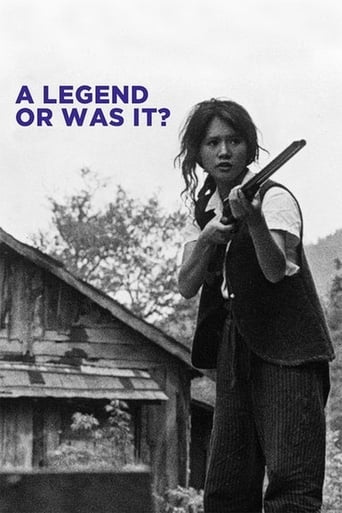
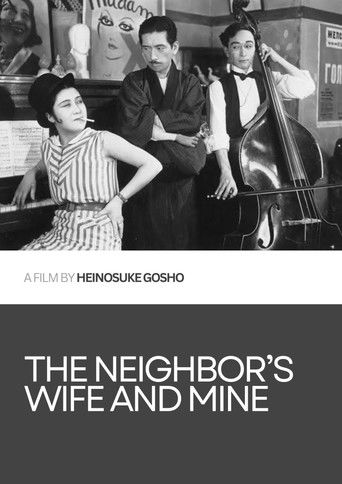
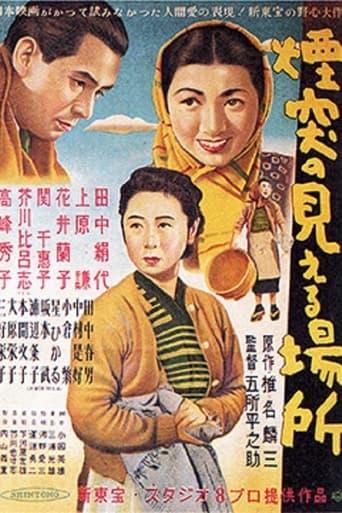
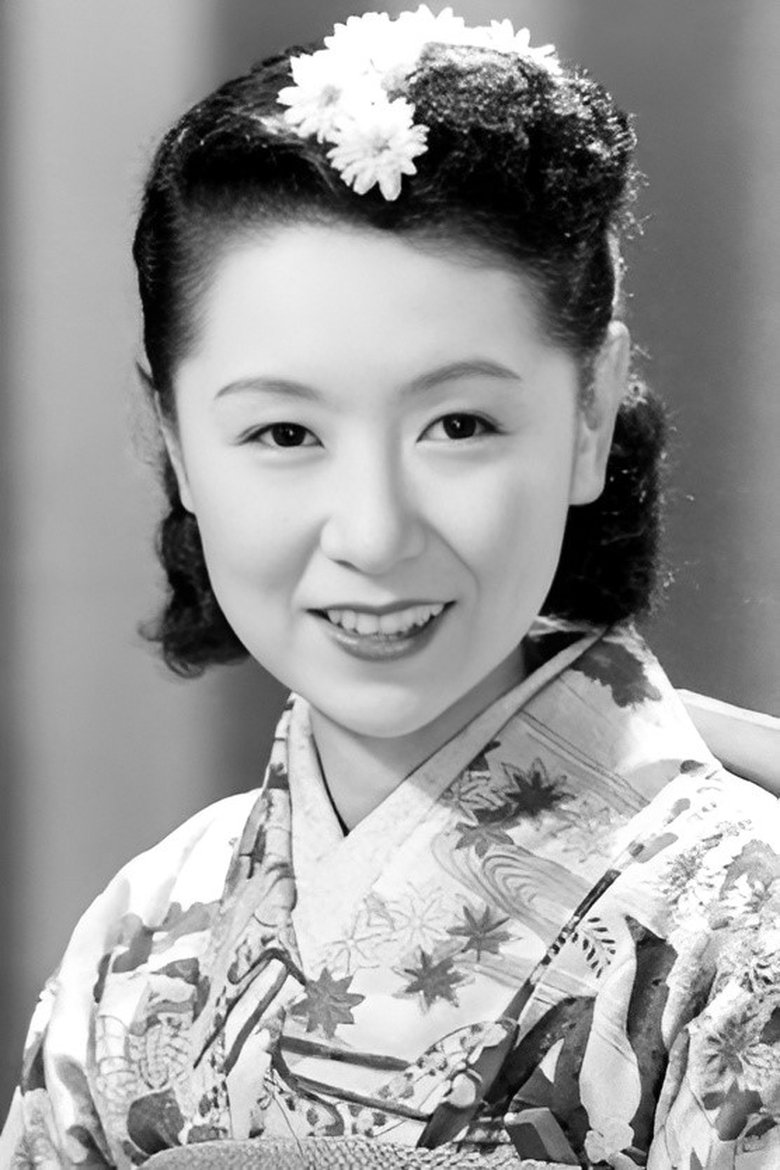
Kinuyo Tanaka (田中 絹代 Tanaka Kinuyo, 29 November 1909 – 21 March 1977) was a Japanese actress and director. Tanaka was born in Shimonoseki, Yamaguchi Prefecture, Japan. She became a leading actress at seventeen years old, appearing in Heinosuke Gosho's An Embarrassing Dream in 1927. She proceeded to take leading parts in, among others, Yasujirō Ozu's I Graduated, But... in 1929, Gosho's Aiyoku no ki in 1930, and in 1931, Japan's first talkie, The Neighbor's Wife and Mine, directed by Gosho. She had a close working relationship with director Kenji Mizoguchi, having parts in 15 of his films, including leading roles in The Life of Oharu (1952), Ugetsu (1953) and Sansho the Bailiff (1954). Their working relationship ended when Mizoguchi countered a recommendation from the Directors Guild of Japan for the Nikkatsu studio to hire her as a director. Despite this, the production of her second film as director went ahead, but Tanaka never forgave Mizoguchi, and the reasons for his behaviour are unclear. She also played Noboru Yasumoto's mother in Akira Kurosawa's Red Beard (1965). For her portrayal in Kei Kumai's Sandakan N° 8 she won the Best Actress Award at the 25th Berlin International Film Festival in 1975. Her last screen appearance was in 1976 in Kei Kumai's Kita No Misaki. Tanaka was the second Japanese woman who worked as a film director, after Sakane Tazuko (1904‐1975). Her first directing job was on the film Love Letter in 1953, and she made five further films in that role.
Filme von Kinuyo Tanaka, die jetzt laufen
Läuft jetzt1
Filmografie von Kinuyo Tanaka
Filmografie228
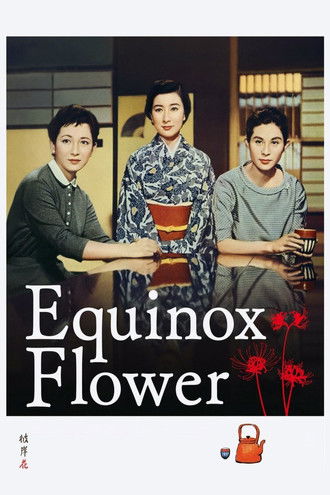
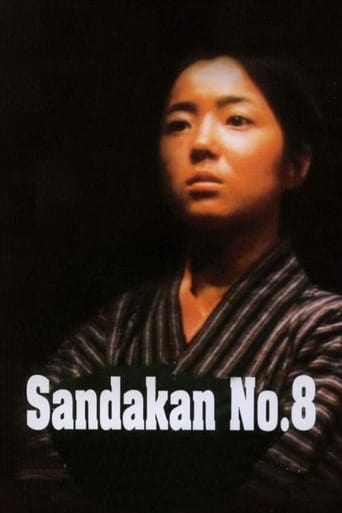
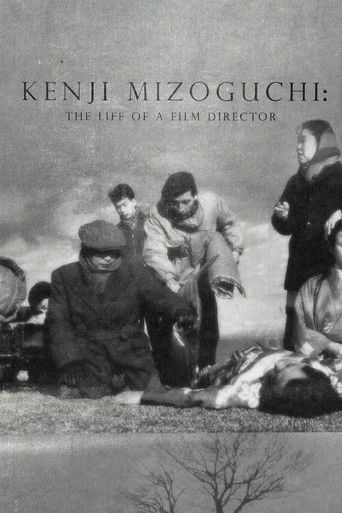
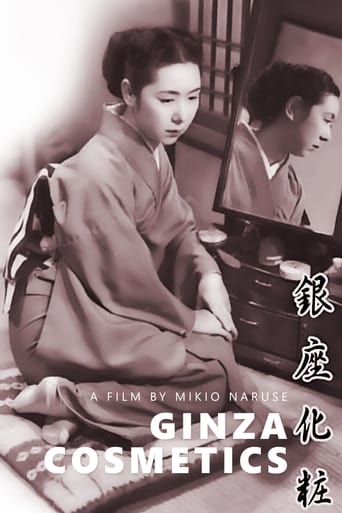
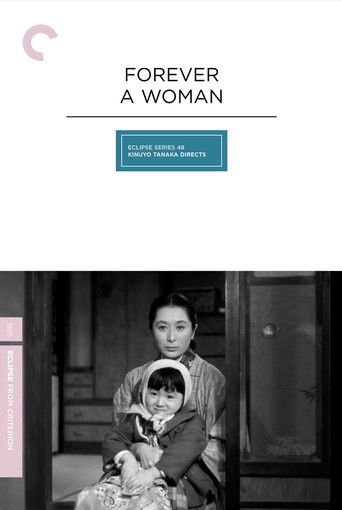
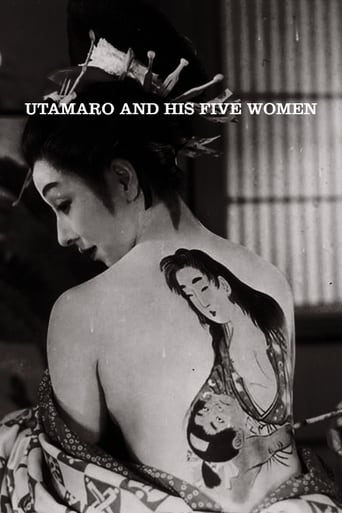
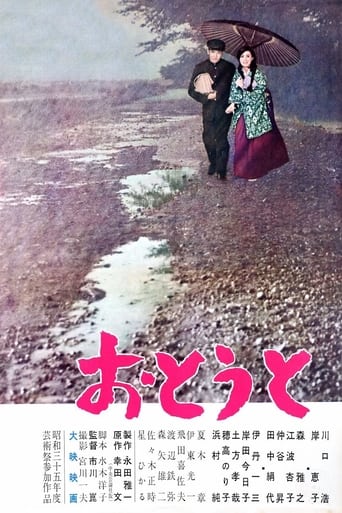
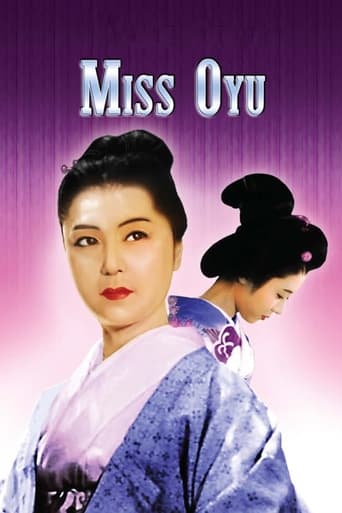
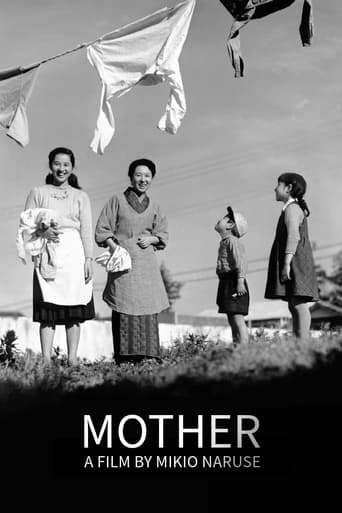


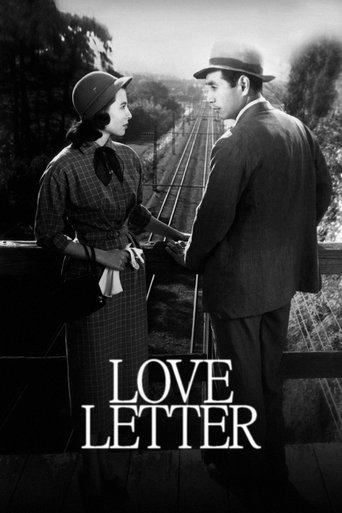
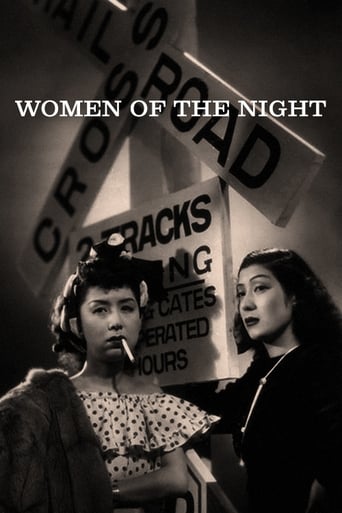
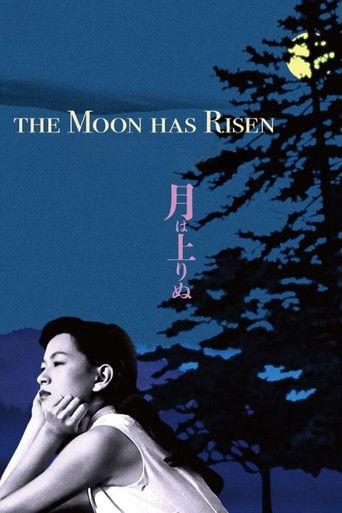
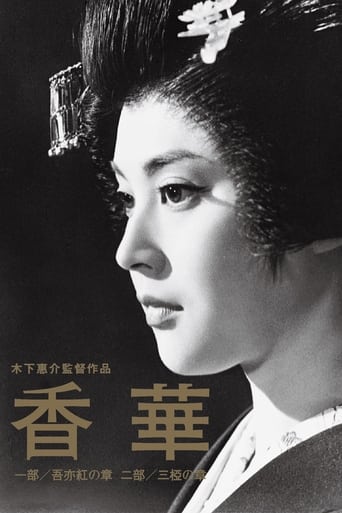
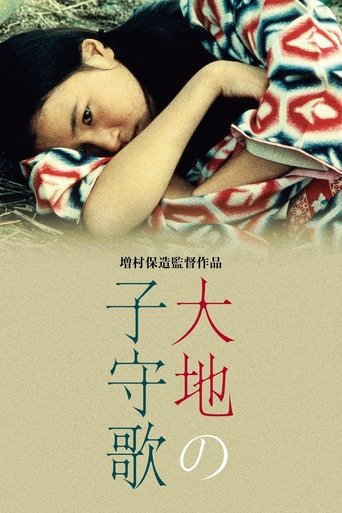
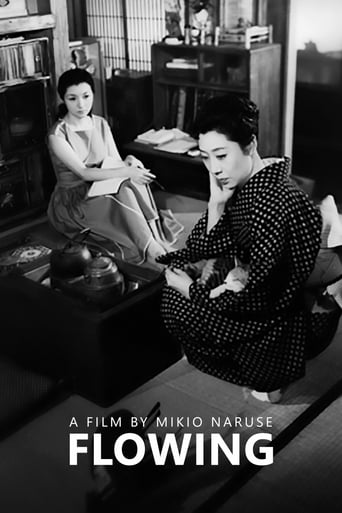
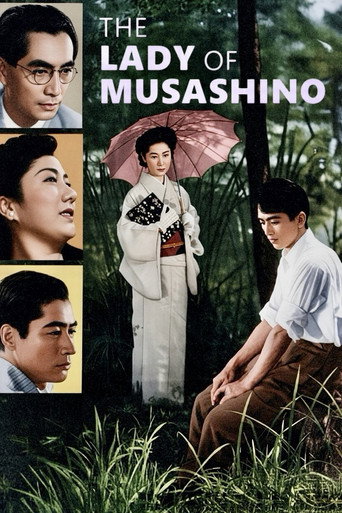
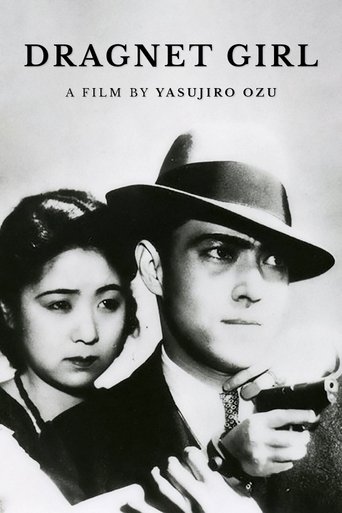
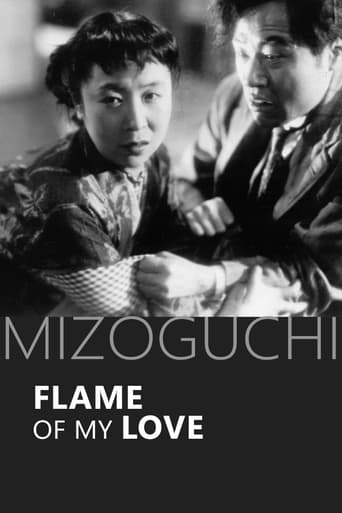
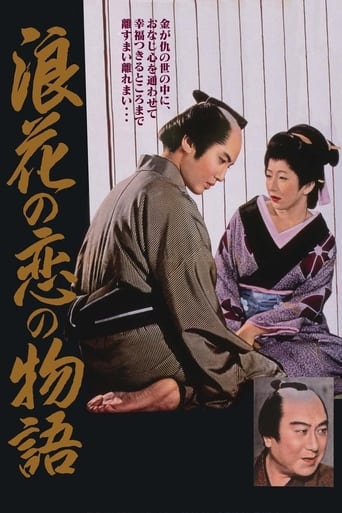
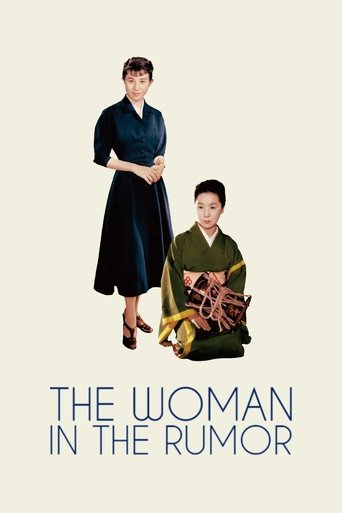
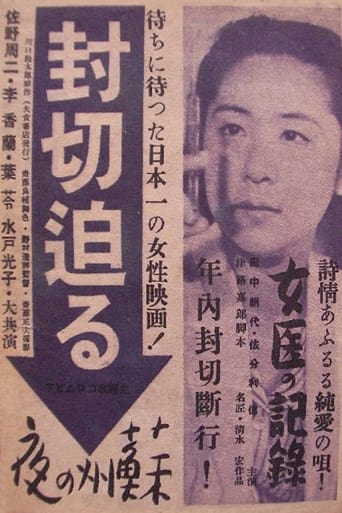
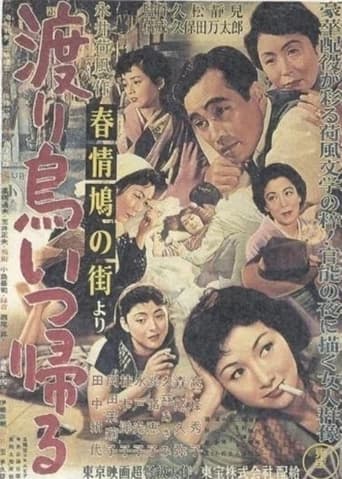
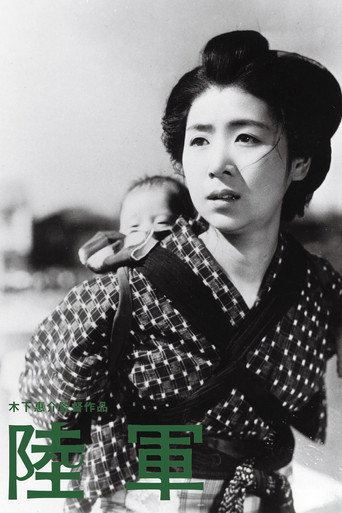
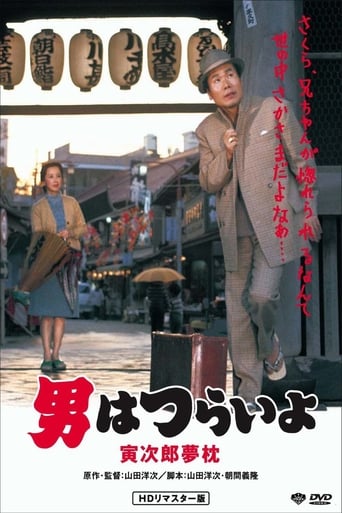
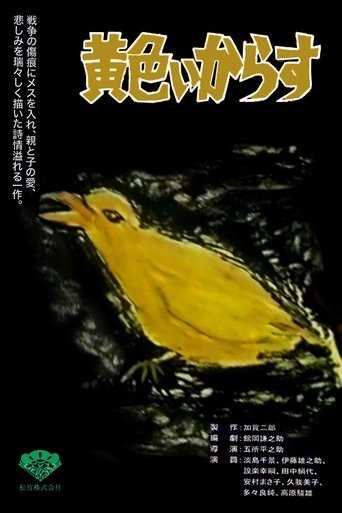
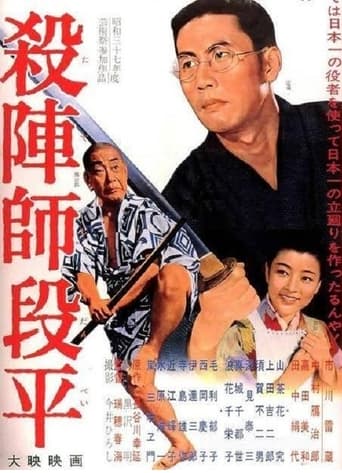
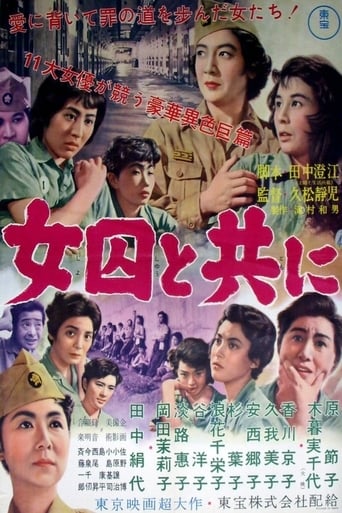

Erfahre, wann der nächste Film von Kinuyo Tanaka startet
Einmal folgen - wir sagen dir Bescheid, sobald er ins Kino kommt.


Häufige Fragen
Wer ist Kinuyo Tanaka?+
Kinuyo Tanaka war eine legendäre japanische Schauspielerin und Regisseurin, deren Karriere über fünf Jahrzehnte dauerte. Sie begann als Hauptdarstellerin bei den Shōchiku-Studios und wurde eine der ersten Filmemacherinnen Japans.
Wofür ist Kinuyo Tanaka bekannt?+
Sie ist international für ihre kraftvollen Hauptrollen in Meisterwerken wie Ugetsu, Die Kurtisane Oharu und Sansho the Bailiff sowie für die Regie bei sechs Spielfilmen, darunter Briefe einer Liebe, bekannt.
Welche Art von Werken macht Kinuyo Tanaka?+
Als Regisseurin konzentrierte sie sich auf nuancierte Sozialdramen, die Geschlechterrollen, romantische Verwicklungen und die japanische Nachkriegsgesellschaft untersuchten.