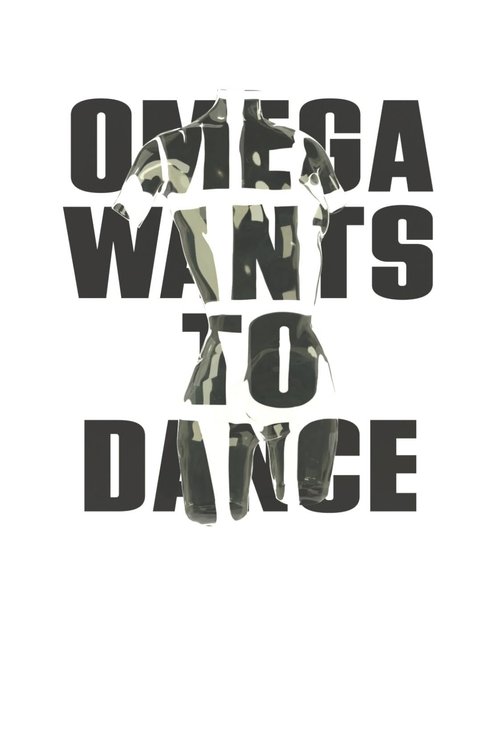




A buoyant anthropology of dance that unfortunately deflates whenever its too-high concept takes over.The core of this doc looks at dancing as essential to our humanity. A deaf butoh dancer signs about his freedom from the distractions of sound; a Japanese modern dancer finds liberation in flamenco, while a Spanish dancer only falls back in love with flamenco after she merges it with butoh. In another highlight, an 80-year-old German dandy dances on a traffic island and discusses his love of techno clubs.But the doc undercuts its message by skewing to editing conventions. Subjects discuss dance as a meditation, a communion, an ecstatic experience — in other words, an expression of the ineffable. So why chop up their performances into seconds-long gestures, highlight reels that compete with their own voiceover. The dance itself — fluid movement, in space, over time — gets lost, and we’re left with descriptions and metaphors that even the speakers find inadequate.In a way, that disconnect is indicative of the overriding concept, which pops up intermittently before dominating the final stretch: the doc as some future AI’s attempt to comprehend humans, who’ve gone extinct. These segments use heady, stilted narration (I kept thinking it was Miranda July) over stock footage, some striking (split-screens that find visual echoes and patterns in the built and natural worlds) and some banal (red ink circling “in•tel•li•gence” in a dictionary).If the doc as a whole is a mixed bag, its most beautiful and insightful elements make it worth the occasional challenges to patience.