





a poet LITERALLY falling in love with death? the frenchest thing that has ever happened
Wir nutzen Cookies, um dein Erlebnis persönlicher zu machen und den Traffic zu messen. Du kannst jederzeit widersprechen.
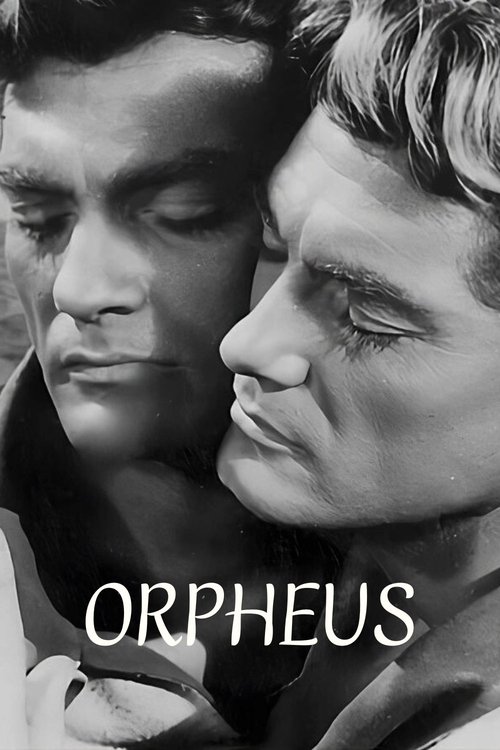
Im Café des Poètes in Paris bricht ein Streit zwischen dem Dichter Orpheus und einer Gruppe neidischer Emporkömmlinge aus. Ein rivalisierender Dichter, Cègeste, wird getötet, und eine geheimnisvolle Prinzessin besteht darauf, Orpheus und die Leiche in ihrem Rolls-Royce fortzubringen. Orpheus findet sich bald in der Unterwelt wieder, wo die Prinzessin verkündet, dass sie in Wahrheit der Tod ist. Orpheus entkommt im Wagen zurück ins Reich der Lebenden und ist fortan wie besessen vom Autoradio.
Heute keine Spielzeiten für Orpheus in Los Angeles.
Spielzeiten zu Orpheus, jeden Morgen aktualisiert
Wähle dein Kino und bekomm einen Hinweis, bevor der Film aus dem Programm fällt.


a poet LITERALLY falling in love with death? the frenchest thing that has ever happened

It would make sense that everybody speaks french in hell

80/100Cocteau understands dreams, and he also understands how certain effects can be transporting even if they're transparent. The journey to the underworld, for example, plainly has Heurtebise standing motionless before a rear-projected, moving Orpheus, but knowing that doesn't make it seem any less uncanny. (Equally great: Orpheus asking Heurtebise why the latter's hair is blowing around when there's no wind, and being told it's a stupid question.) The oneiric quality beautifully serves Cocteau's inspired reinterpretation of the myth, in which one of the most powerful love stories of all time instead becomes a portrait of the artist's obsession with death, viewed through the rubble of WWII. As with Beauty and the Beast, my only quibble, though a significant one, is with the ending, which gets imposed by authorial fiat rather than emerging naturally from events. As María Casares plays her, there's no chance in hell Death would make that sacrifice—it's a wish-fulfillment fantasy that undermines the film's mostly self-destructive impulses. But a little cowardice is a small price to pay for so much otherworldly beauty. Even simple ideas like Orpheus putting on the magic rubber gloves in reverse, or the color of Death's dress changing with her mood*, instill a genuine sense of uneasy wonder.* An underutilized concept in general. The only other example I can think of is The Cook, the Thief, His Wife, & Her Lover, in which costumes change from room to room.
Ein gefeierter Pariser Nachkriegsdichter verfällt einer geheimnisvollen Prinzessin und folgt ihr aus der Welt der Lebenden in das Reich der Toten.
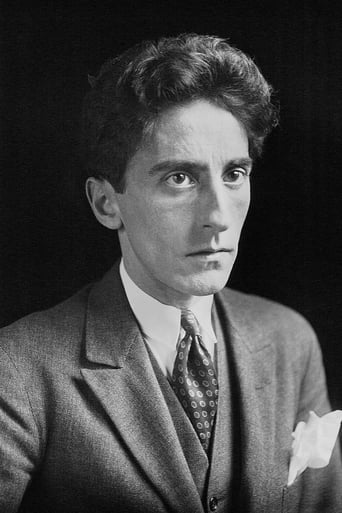
Jean Cocteau führte Regie bei dem Fantasy-Drama aus dem Jahr 1950, das für seine wegweisende Arbeit im französischen surrealistischen Kino bekannt ist.
Der Film gewann 1950 bei den Filmfestspielen von Venedig den Preis der internationalen Filmkritik.