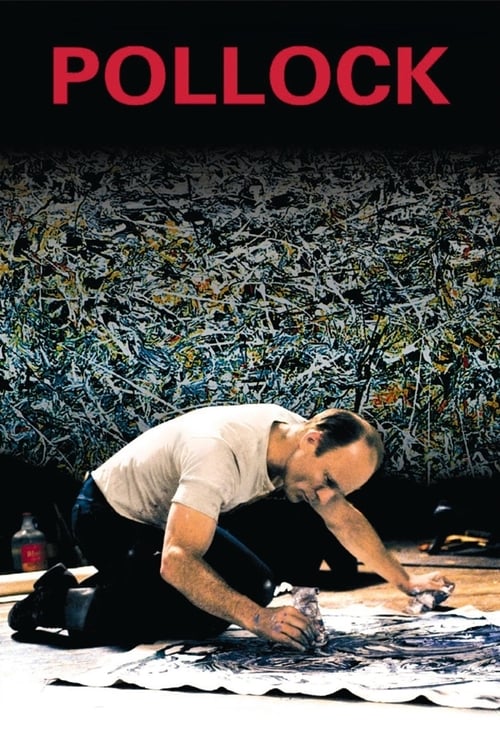





There's this recurring tendency wherein creative minds, the ones we put on pedestals as geniuses break into a sweat and somehow seem utterly incapable of dealing with the mundane, day-to-day filth of life. I can’t say I’m on their level, but I relate to that disparity. That constant tension between your mind's capacity to come up with something great and failing to deal with daily living, it happens. You can label it pretentious, label it self-destructive, but that dysfunction is part of the terrain for some people. Jackson Pollock was certainly one.Something that is so magnetic about Pollock is how intimately Ed Harris understands that chaos. He really inhabited the role fully, even directing and starring in a film that is nearly intimately personal. Harris does not mythologize the tortured artist cliché. But he bare-bones lays out Pollock, as this deeply flawed, frequently unlikeable man whose genius was bought at the expense of all those around him, including himself.The brilliance of Harris' film is that it avoids the obligatory self-indulgence that plagues artist biopics. There is no cynical psychoanalysis, no attempt to sanitize the man and the art. He makes Pollock a man who unleashed freedom and originality on painting, but who was unable to repeat that liberation in his own life. The result is a black, unflinching exploration of creativity, the manner in which art can be salvation, but also prison if it's the sole place you ever feel complete.It's a harsh reminder sometimes that brilliance does not make life any easier. If anything, it might have the consequence of making the mundane more suffocating.