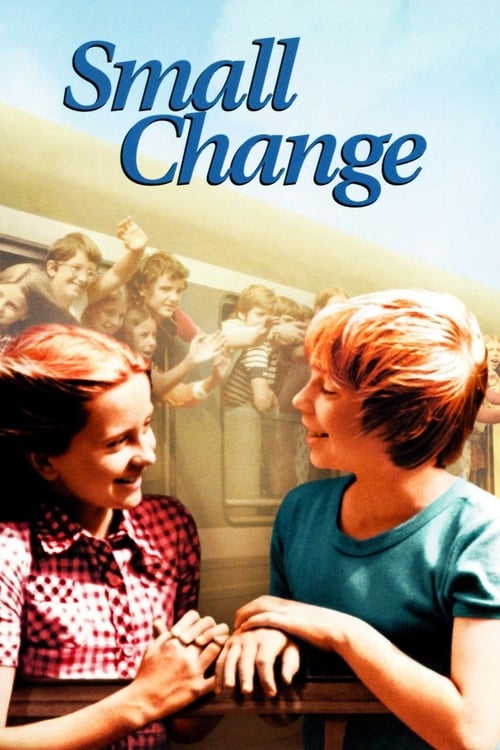





The difference between a child and a grownup is merely the difference of how easy it is to pick one’s self up after falling. Between adolescence and adulthood, there is a constant tally of how many falls each of us has left inside before it becomes impossible to stand, again, for yet another inevitable fall to come. Francois Truffaut’s “Small Change” strings together a series of characters in a small French town as they fumble through early life and love, and sees the director hitting all his career defining grace notes. Like Édith Piaf rolling into the melody of “La Vie en Rose,” Truffaut strolls with absolute ease into his comfort realm of the precocious child narrative. But just like Piaf made hitting the tricky low notes of “Rose” seem deceptively simple, so Truffaut deserves respect for, again, wringing a profundity out of what begins as merely adolescent shenanigans. Where lesser directors would just see pranks or pratfalls, Truffaut provokes pathos out of learning to grapple with the obtuseness of the world, and transforms the story into a plea for the rights of the child. “Small Change” is more a freeform mosaic of stories, rather than a work anchored in a singular rebel enfant, as are “400 Blows” or “The Wild Child.” Consequently, there is less a dynamic of exploratory adolescence versus oppressive adulthood. The grownups of the film are almost all either teachers or parents; authority figures ill at ease with their own responsibility. It becomes a quandary of which is more painful: to learn the lesson, or to be tasked with the expectation to impart it on someone else, knowing full well the difficulty of its comprehension. As quick as Truffaut can be to pull the trigger on a misbehaving adult, so he is sure to always set out pillows to allow his more innocent protagonists to fall in safety. Even if, the director is wise to the fact that a child’s only protection against the world are the calluses that buffer them from the bruises to come.