


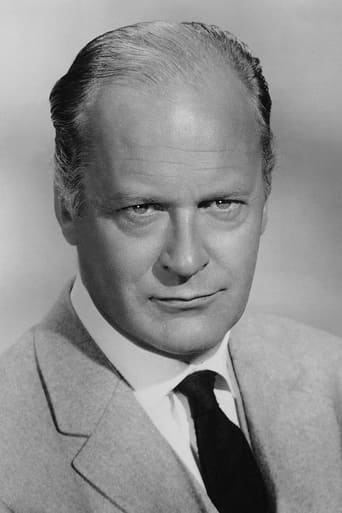
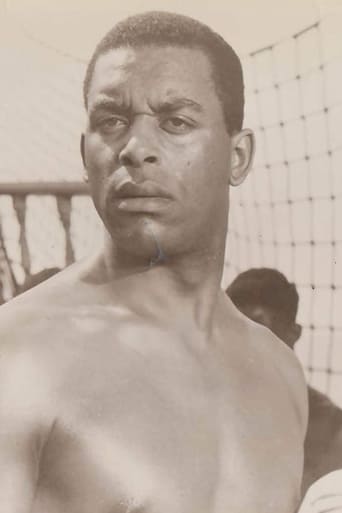



Mention of sexual assault ahead.Unable to secure American distribution because of the coerced relationship it depicts between characters of different races (played by Curd Jürgens and Dorothy Dandridge), Tamango was directed by the blacklisted John Berry, a man who knew a little bit about the absurdity of official American declaration of what was right and wrong in the 1950s.Away from what is essentially an extended rape masquerading as a relationship between the master of a ship, illegally trafficking in chained Africans, and a woman he owns, the film is grim story, first of survival in chains in the hold of a ship, and then of resistance, the kind of resistance so complete that even death is a triumph. There is no question here of who is going to be celebrated, or who the fools are: the movie is firmly on the side of the oppressed, no matter how many sailors and traffickers they kill, and the care taken to depict Jürgens' Captain John Reiker as a three dimensional figure rather than a cardboard villain pays off with great success, as every lie he's told himself is revealed in the film's brutal final minutes.Needless to say, Tamango is not a movie that would or could have been made in the US in 1956. There's no compulsion to include "nice white people" who are aligned with the manacled Africans, nor is its villain twirling a mustache and wearing devil horns. Instead, there's an effort made at a degree of realism, from the forced dancing imposed upon the captives as exercise, to the threat of assault by sailors that was perpetually hanging over the heads of chained women. In addition, the depiction of Reiker makes him looks a whole lot like the kind of plantation owner about whom believers in the Lost Cause have always waxed rhapsodic: a man who treats "his" human property "well", saving them from needless brutality and reasoning with them rather than beating them. He is, he thinks, their ally and friend, ruling with a light hand (until he doesn't). Needless to say, Reiker is a fool. The people he is holding captive and planning to sell don't think of his condescension as kindness, and they're not stupid enough to interpret his pats on the head as anything other attempts at control through less conventional means. He is their enemy because he has positioned himself as such, and they will never see him as anything but.Even the mixed race woman he laughably considers his mistress (Dandridge as Aiché) — a woman he loves — despises Reiker. He tells himself that she loves his caresses and his gifts and his "kindness," but in reality she's an enslaved woman who is doing what she can to stay in a situation that is less brutal than those she's experienced in the past. But just because this captivity is different doesn't mean it's not captivity, and just because her work here is largely of the intimate variety doesn't mean she has any more choice in the matter than she would if she was picking cotton, or cleaning house.The first half of Tamango is the weaker one, dedicated as it is to introducing characters and carefully laying out political lines. Its second half, on the other hand, is awfully good, nearly 45 solid minutes of heart-in-mouth tension (including several different, terrifyingly fractic races against time in the hold) in which our sympathy is powerfully with the captives (lead by Alex Cressan as the title character), even as they commit murder, and culminating in a memorable explosion of violence. Both sides dig in their heels in a way that will result in horrific bloodshed, but only the people who are chained up and intended for sale can triumph by their own deaths. As they die — should they be fated to do so — not only are they freed of their captivity, but they take money out of Reiker's pockets: it's at once a spiritual victory and a petty, economic one.There are times during which the film stumbles, particularly during its first half, and Jean Servais' doctor character is unneeded and intrusive, too often distracting from the compelling story being told, one that doesn't need his voice to succeed. Even with those minor issues, however, it's a fantastic piece of work, one that deserves to be far more widely seen.