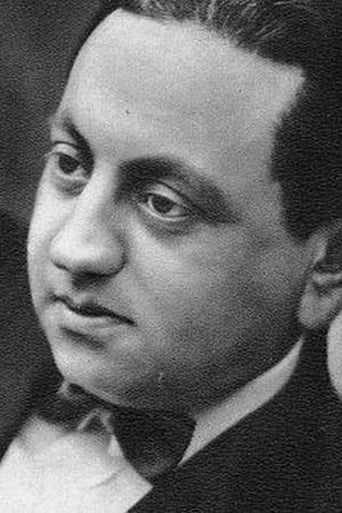
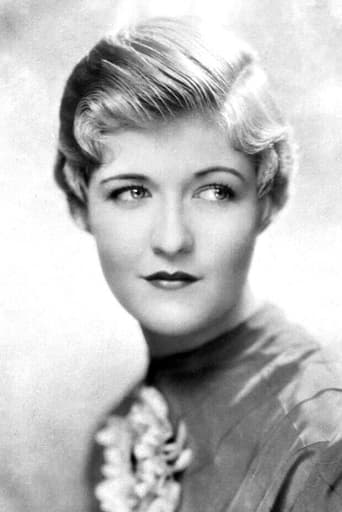
"Gosh, what a spooky house!"Kim Newman is his audio commentary states just how alive THE CAT AND THE CANARY (1927) still feels, unlike how most silent films are just seen through academic eyes, and that's firmly credited to director Paul Leni in his playful usage of changing cinematic techniques such as portentous superimpositions, crane shots, and a tracking camera movements, that with the use of a gong to startle his actors, creates a language that would be highly influential as the foundational blocks of what we call the horror genre. “Paul Leni’s [film] might be one place where the horror film can be argued to have begun”, writes Richard Combs from his essay Un Chat Andalou. “Leni’s response was to marry the American material quite radically with his Expressionist style. So much so that the two don't so much sit happily together as frequently dialogue with and even play jokes on one another”. It's impossible to not feel its importance from the film's opening shots, an unnamed character’s POV guiding through the empty hallways and rooms of the film's location, a big, old dark house, and not think of how modern films use the POV shot to place the audience in the uncomfortable place of being within an antagonist vantage point. It's also impossible to not feel the Gothic aesthetics here that would dictate the Golden Age of Universal Horrors right from the start with DRACULA and FRANKENSTEIN (both 1931). And even the reveal of the supposed supernatural figure that's been terrorizing poor Annabelle West (Laura La Plante) has been ripped off by those meddling kids of Scooby Doo, Where Are You! from the 1969-1970. “Utilizing an arsenal of tricks inspired by contemporary work in German Expressionist cinema, director Paul Leni imbues this claustrophobic mystery with a startling touch of poetry and surrealism that has kept the film as fresh and entertaining today as its original release”, writes Nathaniel Thompson for Turner Classic Movies. Even the use of the film's intertitles that help tell the story for a silent film, gets a playful, lively animation of effects such as font and movement to land desired reactions of fear, humor, and mystery that keeps even a cynical modern viewer engaged. The story has been plundered for all its worth after its release, adapted from the 1922 stage play by John Willard of the same name, a dying millionaire Cyrus West leaves behind his last will and testament that shall remain locked in a safe until the 20th anniversary of his death. However, West’s lawyer, Roger Crosby (Tully Marshall), discovers that a mysterious second will is in the safe, and as midnight approaches, West's relatives arrive at the mansion, they learn that his vast fortune is gifted to the most distant relative bearing his surname of West in Annabelle (La Plante), as long as a doctor tests her for being of a sound mind. Soon, a series of supernatural events are meant to drive her insane, but is it the ghostly mansion or something, or someone else trying to get her inheritance? Nathaniel Thompson notes that “the plot now feels like a checklist of standard spooky-thriller elements”, one must remember that this is the cement drying of what would become old genre tropes and with Leni’s moody style, with the blue and b green tinted approach silent films used for mood and emotions, THE CAT AND THE CANARY is striking and bold, when others at this time often feel stilted and static. With a patronage of Carl Laemmle at Universal, one wonders if his handling of this stage adaptation might have gotten him the job on DRACULA (1931) over Tod Browning, but with his death in 1929 from poisoning, that's a horror what if, sadly. Browning’s iconic DRACULA, the first to use sync sound, feels so stiff in comparison to this film. “Almost everything in the story proves to be a tease, a deception, or a red herring. Yet we never feel cheated”, writes Imogen Sara Smith in her essay Laughter in the Shadows. “Each image, each bit of business pays off […] we want to fall for every trick, to be led up every blind alley”. The staying power of the horror-comedy is immeasurable; THE CAT AND THE CANARY is one of the genre’s most important films, even if it gets cast aside by gods and monsters of the Universal horror era of the 1930s and 1940s. The image remain potent as ever: a sleeping Annabelle is unaware of the hairy claw that sneaks over her head at night; the leering camera movements within the big old house; the final reveal of who the impish monster is, all that will be vulgarized over the century of filmmakers trying to one-up this film’s scares.