


Just a moment...Enable JavaScript and cookies to continue
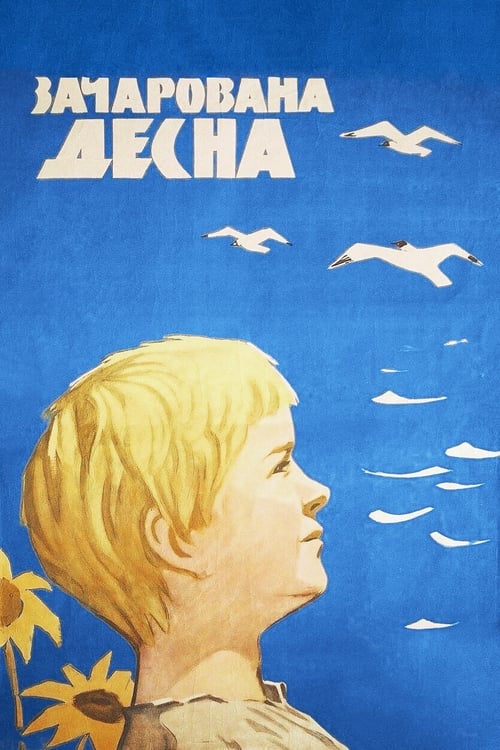
Basierend auf dem gleichnamigen Roman von Oleksandr Dovzhenko. Der Film handelt von der Kindheit des berühmten ukrainischen Filmregisseurs Oleksandr Dowschenko, der auf den uralten Landen von Tschernihiw an den Ufern der Desna geboren wurde. Der Film besteht aus zwei Teilen. Der erste zeigt die Welt durch die Eindrücke des sechsjährigen Saschko. Der zweite Teil sind die Erinnerungen und Überlegungen von Saschko, nun ein älterer Oberst, der im Krieg sein Heimatdorf befreit.
The Enchanted Desna läuft derzeit in keinem Kino.
Folge dem Film in der App, um benachrichtigt zu werden, sobald Spielzeiten dazukommen.
Spielzeiten zu The Enchanted Desna, jeden Morgen aktualisiert
Wähle dein Kino und bekomm einen Hinweis, bevor der Film aus dem Programm fällt.
Just a moment...Enable JavaScript and cookies to continue

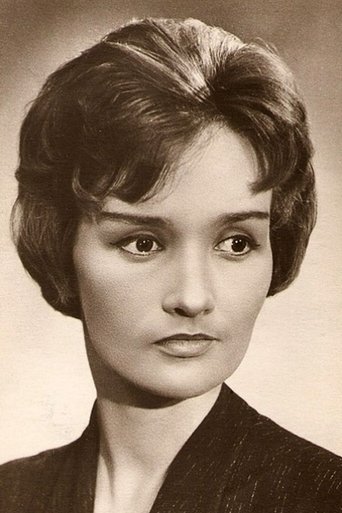
1st Yuliya SolntsevaPerhaps the most resounding evidence that the lyrical folk-fantasy worlds of Parajanov and Tarkovsky were not mere one-offs. There was also the Ukrainian folk delirium of Alexander Dovzhenko, here channelled by his wife, a former actress (she played Aelita: Queen of Mars) turned Ukraine's foremost female director. In the brief span of seventy minutes, we take a rosy-spectacled look into the childhood of the main character, a writer turned soldier who returns to the village of his youth to liberate it from the Nazi hordes during WW2. Desna manages to shift between three timeframes effortlessly to recreate the past almost as present, moving between layers of memory through the use of an expressive voiceover that recalls Mirror in its evocations of childhood. But these are not the tortured recollections of Tarkovsky. Rather, Enchanted Desna is a highly optimistic work, clearly revelling in the Ukraine of the writer's youth but also praising the Soviet ability to reshape the land through damming and construction. This may seem odd today but ties in perfectly with Dovzhenko's belief in the power of Communism to invigorate the land in a way Feudalism never could. Of course, things didn't end that way, but I do wish it did.The score is also radically experimental, utilising atonality and electronic instruments to act as a counterpoint to the brightly coloured images we see onscreen. The opening montage of widescreen images of the countryside are astonishing, like something out of a science-fiction film and yet utterly gorgeous. The only downside to my experience was the copy I saw. Evidently the print hadn't been stored correctly because a lot of the colours were muddy, rendering some of the night sequences almost impossible to see. If there is a beautiful restoration in the pipeline, then fantastic, but if not, this is a film that absolutely deserves a Criterion release, full scan of the negative (if you can find it) and everything. This is an important bit of film history that has been forgotten, and as with Hanna Amon, I urge all of you to seek this out.

Do papel político e onírico, e em ambos os casos de resistência, da imaginação e da fantasia.Ou seja, filme-irmão de Ercole alla conquista di Atlantide, Já visto jamais visto e Adieu au langage (O que fazer então, já que eu não sei fazer filmes (...) comunistas e loucos como a sra. Dovjenko?).Baixem todos os filmes da Yuliya Solntseva no freeleech do KG.
Es erzählt die Geschichte eines ukrainischen Schriftstellers, der seine Kindheitseindrücke am Fluss Desna reflektiert, während er im Zweiten Weltkrieg als Soldat dient.
Regie führte Yuliya Solntseva im Jahr 1964, basierend auf dem autobiografischen Roman von Oleksandr Dowschenko.
Ja, der Film wurde auf internationalen Filmfestivals ausgezeichnet, unter anderem mit dem Sonderpreis der Jury beim San Sebastián International Film Festival.