

Bleak holocaust drama filmed as an apocalyptic fever dream of doubles, mirrors, laboratories and body horror. Pretty gross!
Regie Andrzej Żuławski
Trzecia część nocy
A dark, bleak war.
Die Geschichte spielt während der Nazi-Besatzung Polens und folgt Michał, der Zeuge des Mordes an seiner Mutter, seiner Frau und seinem Kind wird und daraufhin in ein Leben geworfen wird, das buchstäblich nicht sein eigenes ist; eine surreale Welt voller Falltüren, Doppelgänger und Wurmlöcher.
The Third Part of the Night läuft derzeit in keinem Kino.
Folge dem Film in der App, um benachrichtigt zu werden, sobald Spielzeiten dazukommen.
Spielzeiten zu The Third Part of the Night, jeden Morgen aktualisiert
Wähle dein Kino und bekomm einen Hinweis, bevor der Film aus dem Programm fällt.


Bleak holocaust drama filmed as an apocalyptic fever dream of doubles, mirrors, laboratories and body horror. Pretty gross!

Andrzej Żuławski set the bar high with his debut feature. The Third Part of the Night is a mash-up of dreamscapes and Gestapo war-crimes set in Nazi-occupied Poland. After a man’s wife and young son are murdered by a group of German soldiers, he decides to join the resistance effort in the nearby town of Lwow. As he wanders the streets of this war-torn city, he witnesses a man being shot who looks eerily like him. He goes to inform the man’s wife, but low and behold, the woman he sees looks exactly like his recently deceased wife. This sets off a cerebral chain of events that turn more bizarre and violent as the film progresses. Doppelgängers, feeding lice, hallucinatory and spiritual encounters, brutal slayings; fueled purely by nightmare logic and repressed memories. Żuławski employs a form of magic realism, not even bothering to try and structure the narrative within the drab reality in which it’s set. There are moments where we’re transported from one setting to another by way of intricate cutting and editing. It’s rooted in dream-logic, so much so that you feel like you may’ve missed something, but this is done on purpose to disorient and further immerse the viewer in the harsh, hellish environment our characters have been forced into.What I find most interesting about The Third Part of the Night is how it contextualizes and foreshadows the rest of Żuławski’s body of work. We see him employ virtually every stylistic and thematic device that he would become known for as his career progressed, though this film is definitely the least hysterical of his works that I’ve seen thus far. That’s not to say there aren’t moments of overwrought emotion here, but his focus seemed to be more on the inner-psychological workings of the main character and those around him, rather than the frantic displays of frenzied insanity we’d find later. Similar too, is the inclusion of perfervid scenes and specific frames that will etch themselves into your mind and never leave. The visual style is indicative of things to come for Żuławski and he would only improve upon the groundwork laid in this film. Also worthy of note is Andrzej Korzyński‘s score. Before creating a psych-rock mindfuck in Żuławski‘s next film Diabel, Korzyński melds together dark, ominous sounds which work to elevate the tone of surrealist dread even higher.Highly recommended. Formative, anxious and labyrinthine. The Third Part of the Night is the first entry into one of the most prestigious and bombastic filmographies of all time. Żuławski came out of the gate swinging and, though not quite as refined as what was to come, he still manages to create something that (despite my desperate attempts in this write-up) defies description and completely transcends all preconceived notions of what cinema can be, both as an art form and as a way to make strong political, social and religious proclamations.Żuławski Ranked

My cat loved the close-ups of lice. Me, not so much. Not the towering masterpiece that POSSESSION is, but it works in the same, "I'm not sure exactly what's happening on the surface here, but the way it's making me feel is communicating exactly what I need to know" kind of way.
The Third Part of the Night ([object Object], [object Object], [object Object], 1972) ist
Regie bei The Third Part of the Night: Andrzej Żuławski.
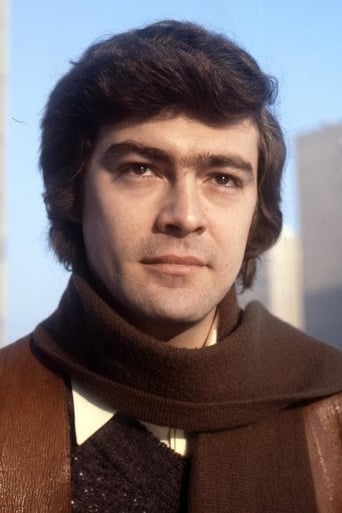
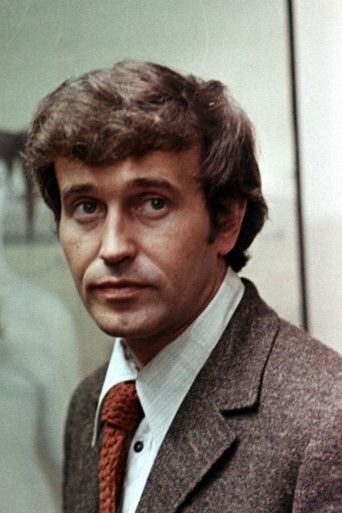
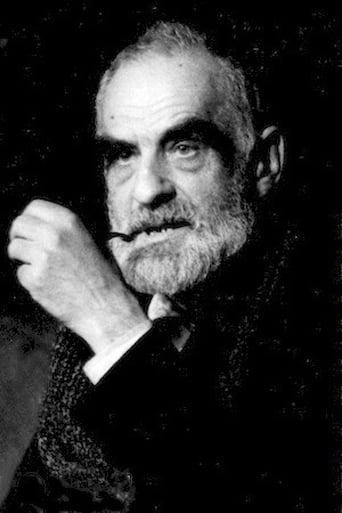
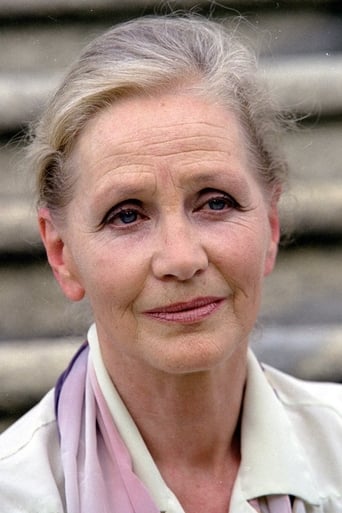
In The Third Part of the Night spielen Leszek Teleszyński, Małgorzata Braunek, Jan Nowicki, Jerzy Goliński, Anna Milewska.
The Third Part of the Night ist mit 3.9 von 5 bewertet (13.319 Bewertungen).