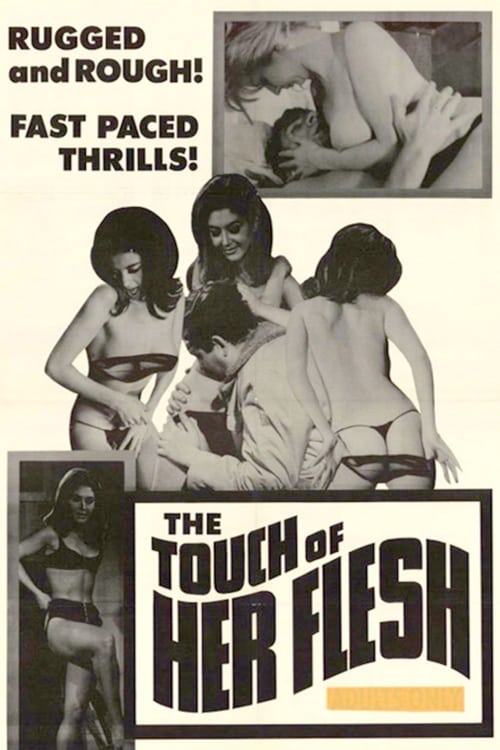
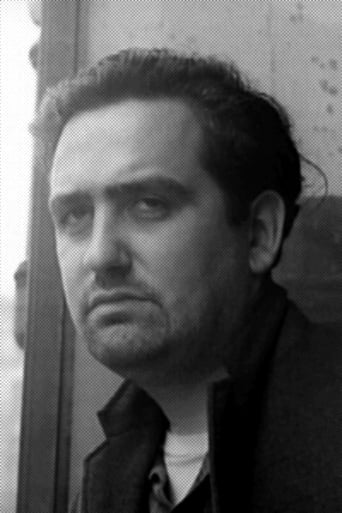


"Claudia, you have done this to me, but you are not alone! Strip any girl naked and you will find a filthy slut like you! Bare breasts and a bare stomach, waiting for a man's caresses, waiting to be squeezed and kissed until they heave in ecstasy. They are a soft pink trap! Once a man's locked within the hot vice of love that is their thighs, he can never escape. He enters the trap willingly, eagerly, but finds it close around him like an iron cage, until his manhood is buried deep within this female's soul and can no longer move."And then she tightens the hold, twisting his swollen ego deeper into her until it is swallowed up. And then just as the heat of his now insane love is ready to burst upon her, she cuts his love in two! Castrating his will, subjecting him to her desires, making him a crying, bleeding slave who cannot move unless she bids him move! No, it is not only you, Claudia, who have done this..."(Previous review here.)As a former bookworm trying to get back into the spirit of reading, one of my most recent purchases is Shameless Sex: Choose Your Own Pleasure Path to Unlock the Sex Life You've Been Waiting For by Amy Baldwin and April Lampert. Salacious title, sure, but actually the part I've just most recently stopped at in chapter two covers a far more poignant aspect of sexual and psychological wellbeing:Shame and trauma can happen at any point in your life, yet research shows people are most impressionable during the developmental years of childhood. This means every experience you have from infancy to high school impacts who you are in adulthood. From how you were raised by your parents to how peers treated you, to any experiences of violence or discrimination, to health problems and natural disasters and your ability to access resources for survival in the physical environment you lived in - the list goes on and on. In fact, a 2017 study published in the journal Infancy suggests that external stressors could begin to shape people's lives as early as in utero. The birthing parent's history with trauma as well as additional stressors occurring during pregnancy can impact the child's developmental outcome.Trauma can also be deeply connected to shame. Pioneering shame and vulnerability researcher Brené Brown explains the tipping point between guilt and shame. While guilt - the feeling of "that thing I did is bad" - may serve as a precursor for shame, many people move through it over time. On the other hand, shame - the feeling that "I am bad" or "I am broken" - can act like a parasite, penetrating every cell of yourself, paralyzing you with limiting beliefs about who you are. A lot of people deal with this by burying shame and trauma deep within the shadows of themselves as a protective mechanism. But these tactics are only a temporary fix. As Brown's work suggests, silence and secrecy tend to intensify shame, and those protective walls will get in the way of connection as well as shame's antidote: empathy. You can't just stick a shame Band-Aid on things and expect to be able to move on.This is all painfully true.As I've written about before on other occasions, I had to work a long time through therapy to overcome years of bullying as a preteen, an insidious barrage of harassment from a classmate - someone who knew I'd had a crush on him - who eroded all of my self-esteem with insistence that I was ugly, nobody (least of all him) would ever return my affections, it was stupid that I could ever even think that another person would have feelings for me. Unattractive, undesirable, totally unworthy.At the tender ages of eleven and twelve, it was impossible to avoid internalizing those claims, so it wasn't until I was in my mid-twenties that I could begin to unpack all of the hurt that had rendered me petrified of rejection and had kept me from ever approaching boys or men throughout my adolescence and adulthood, completely avoiding even ideas of sex or dating because... why even bother? I hadn't been able to fathom anyone wanting to touch me; I could barely even figure out my own relationship to my body, fumbling and uncertain and practically alienated from any real understanding of pleasure. Only after a great deal of reflection, effort and eventual enlightenment did I make the necessary breakthroughs to put me on the path toward being the person I want to be and can be, both emotionally and physically, no longer defined by that long ago tormentor's words.This is all worth mentioning in connection with The Touch of Her Flesh since a recent Rialto Report profile on its writer/director/star, Michael Findlay, suggests (via a childhood friend's interview) that young Michael was sexually abused by priests while he attended a Catholic seminary. The Flesh trilogy's anger now makes more sense, knowing the source of the shame and rage over violated trust that the filmmaker channeled into his work. Do we think he ever told his wife Roberta? Now I'm reminded of Sandra Dee's tragic story, considering her as Michael Findlay's polar opposite in that she was a Hollywood starlet representing the adorably sweet, all-American girl next door; her history of childhood sexual abuse was a trauma that she carried throughout her whole life, a perceived shame so inexpressible that she waited until after her divorce to discuss it with her ex-husband Bobby Darin.(Incidentally, if I'd known about this piece of Findlay's backstory, I would've talked about it in my guest episode on the Split Your Head podcast covering his and Roberta's careers.)And so, when revisiting The Touch of Her Flesh, it's more fascinating than ever to see how Findlay paints his cuckolded antagonist, Richard Jennings, as both victim and villain, simultaneously shattered by his wife Claudia's infidelity when he catches her in bed with a lover and yet utterly chilling as the vindictive killer of sexually liberated women (his wife, topless dancers, sex workers, etc.) all over NYC, trying to free himself from "the sexual vortex of the female being" that has troubled him so. Gruesome as this slice of sexploitation horror is, it has a definite power in its imagery; it's also so entertaining to revel in all the nudity and to hear Michael and Roberta dubbing the voices of Claudia and her paramour, along with enjoying the likes of Rachmaninoff, Suk and Tchaikovsky on the soundtrack (Roberta's choices, I'm sure, given her classical piano training) alongside an instrumental of Jackie Edwards' "Somebody Help Me," the Jaybirds' "The Right Kind" and a burlesque performance (I've deduced that it was at the Hudson Theatre on W. 44th St, across from the King Edward Hotel and near the Lucca Restaurant) set to the Johnny Staccato Band's "Strip Blues." Moreover, it's hard to deny the bizarre intrigue of Jennings - now sporting an eyepatch and often using a wheelchair after he was hit by a car while running past the Ratner's restaurant on Delancey St - going after these innocent women with any number of phallic substitutes, whether with a rose stem's poisoned thorns, a fatal dart blown from a lengthy gun, a substantial curved blade, a crossbow or a machine's gears to penetrate these beautiful bodies. Curious, disturbing, much to process.I know I'll continue to ruminate on the context of Michael Findlay's trauma as I rewatch the rest of the trilogy. As Jennings says of himself at one point, "the deeper in he drives, the more he cannot ever escape," and I wonder to what extent Findlay felt the same in his day-to-day life as he brought those demons to the surface in his onscreen alter ego. We all carry the weight of personal history with us - the question is whether we can ever find a way to let it go or if it remains a burden always."Death is what you deserve, my Claudia, and death is what you shall receive. I will slash open the very core of your perversion! Your blood will be testimony of your depravity! I will kill them, I will kill them one by one..."The Films of Michael Findlay: Ranked