Bourgeois surfaces are boring and uncivilized behavior is hot, in many ways the ideal Chabrol film. The violent gesture at its center and the eventual picture burning to cover it up, the only times action are actually taken, everything else remains repressed in that perfect realized image that the filmmaker sets and let crack. It is a movie Chabrol pulled many times, but usually never marry it to such tight expressed drama.
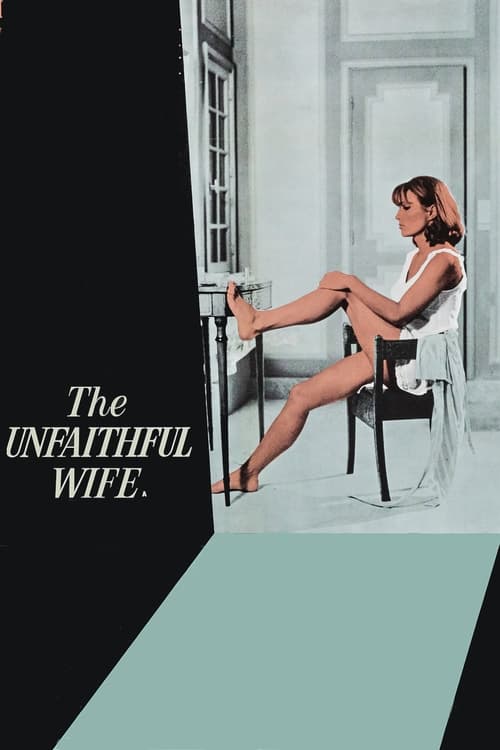
“The Unfaithful Wife” is a film so resolutely defiant in its coldness, it nearly freezes out the viewer entirely. Claude Chabrol’s 1969 work, unsuccessful in France but praised by critics, is a methodical thriller depicting the misdeeds of a husband who discovers his wife has begun an affair with another man. The icy exchanges of doubt, as well as the cohesive play of mutually assured deceit, are reminiscent of Alfred Hitchcock’s ‘relationship’ works such as “Suspicion” and “Notorious.” “Wife,” though, for all its intellect, also bears some of Hitchcock’s “The Paradine Case,” in its frustrating refusal to grant so much as a glimpse into the reasonings of its characters’ bad behaviours. Obsession itself must be answer enough. In Hitchcock’s lesser relationship films, “Paradine” most notable, the lack of psychological comprehension translates often to narrative hysteria and sloppy plot (see also, “Spellbound”), Chabrol meets with the opposite result. “Wife” is so stoic that it practically leaves its audience begging for even a minor mental breakdown; something, anything, to melt away this exterior of total frigidity. “Unfaithful” is not faulty for its cohesiveness. Instead, Chabrol has plotted out its crimes with such tact and logic, all a viewer can do is stare into its icy visage, and wait for it to crack. It, and Chabrol, never do.