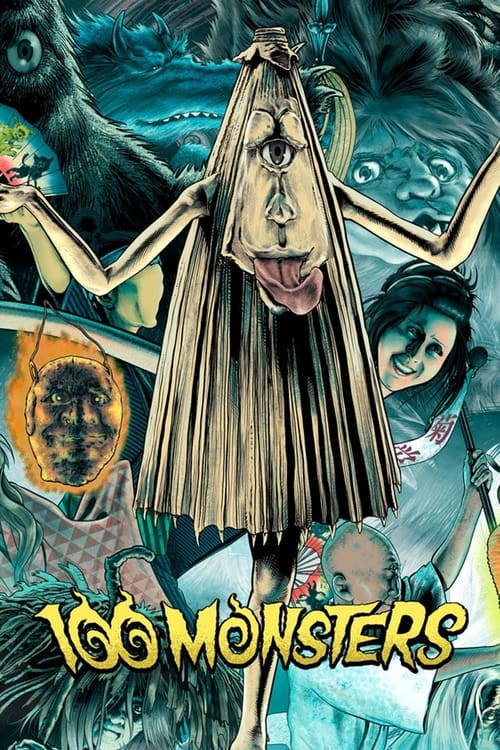
When people talk about Japan, sushi, ramen, and anime usually come up first. But if you ask me, what comes to mind first is how polite, disciplined, and organized Japanese people are. Daily life in Japan tends to reflect a deep awareness of harmony, respect for rules, and caution about disturbing what is already balanced. That way of living isn’t just a product of modern work culture; it appears to be shaped by something much older. Folklore, for instance, has quietly shaped the way people act over generations. Take yokai, the strange monsters from old stories. At first, they might look like just spooky tales to scare children or simple entertainment. Beyond the scares, they teach about bad behavior and respecting the world around us.For centuries, yokai folklore has been part of Japanese culture and it is arguably still part of it today. It informs the way people view the natural world, tradition, and the communal aspect of living. Because yokai stories often warn against harming the environment or breaking social rules they serve as a way of passing down lessons, reminding people to live carefully, stay humble, and that unseen forces can react when harmony is disturbed. In that way, the world of these strange monsters quietly supports the attitudes often linked to Japan: respect, self restraint, and understanding one’s place in the world.This particular film gives a look at how Japanese studios in the 1960s brought traditional folklore to the screen, mixing period drama with some form of monster/horror. It tells the story set in Edo era Japan, where a greedy landlord and a corrupt official want to demolish a shrine and nearby homes to build a brothel. During a ceremony, they skip an important ritual, a mistake that opens the door for the yokai to appearr. What follows is less about random scares and more about moral correction.In linking to the earlier cultural point, the film shows how ignoring sacred traditions, nature, or community responsibilities can bring serious consequences. What I like most are its moral themes—arrogance, disrespect for what matters, and punishment by forces beyond humans. That idea gives it lasting relevance. It is satisfying to see people who do wrong face consequences, not by law or revenge, but by spiritual forces that restore balance. The yokai are not just scary monsters here...they are enforcers of old values, giving their presence meaning rather than just frightening.Of course, the film isn’t perfect, but it has a certain charm that’s hard to ignore. Honestly, I loved how the practical effects feel so handmade. They give the film this nostalgic, warm, old-fashioned feel that makes the film stand out in a way modern effects rarely do. The costumes and puppets, simple as they are, really made me stop and appreciate the creativity behind each monster. I found myself genuinely impressed by how much the team could do with so little, crafting monsters that feel memorable. Tho I was disappointed because I expected constant monster chaos, that’s not really what the film delivers. Despite the title, there aren’t a hundred monsters running around. Most of the runtime focuses on human drama instead of creature action. The pacing can feel slow at times, and the practical effects, though imaginative, clearly show their age. But if you appreciate folk horror, strange folklore, and the atmospheric quiet of Japanese period settings, it’s worth a watch.It is best enjoyed in the context of yokai fandom or vintage monster cinema rather than as a modern horror blockbuster. Watch it not for jump scares, but for what it reveals: how old stories about unseen forces still carry moral weight, and how Japan’s deep respect for balance and tradition can even find its way into a monster movie.