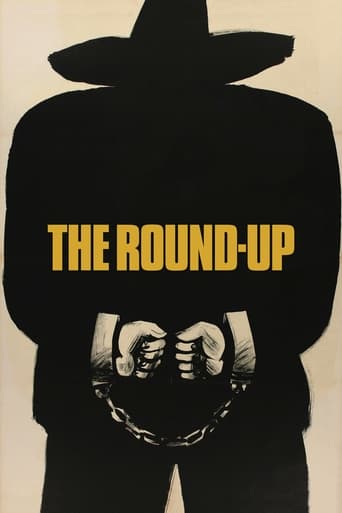
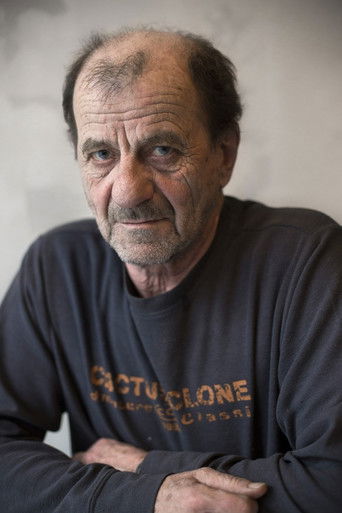
Miklós Jancsó (27 September 1921 – 31 January 2014) was a Hungarian film director and screenwriter. Jancsó achieved international prominence from the mid-1960s onwards, with works including The Round Up (Szegénylegények, 1965), The Red and the White (Csillagosok, katonák, 1967) and Red Psalm (Még kér a nép, 1971). Jancsó's films are characterized by visual stylization, elegantly choreographed shots, long takes, historical periods, rural settings, and a lack of psychoanalyzing. A frequent theme of his films is the abuse of power. His works are often allegorical commentaries on Hungary under Communism and the Soviet occupation, although some critics prefer to stress the universal dimensions of Jancsó's explorations. Towards the end of the 1960s and especially into the 1970s, Jancsó's work became increasingly stylized and overtly symbolic. He received five nominations for the Best Director Award at the Cannes Film Festival. winning for Red Psalm in 1972. In 1973 he was awarded the prestigious Kossuth Prize in Hungary. He received awards for his life work in 1979 and 1990, at Cannes and Venice respectively. Description above from the Wikipedia article Miklós Jancsó, licensed under CC-BY-SA, full list of contributors on Wikipedia.

Erfahre, wann der nächste Film von Miklós Jancsó startet
Einmal folgen - wir sagen dir Bescheid, sobald er ins Kino kommt.
Miklós Jancsó war ein gefeierter ungarischer Filmregisseur und Drehbuchautor, der für seine Beiträge zum europäischen Kino des 20. Jahrhunderts bekannt ist.
Er ist am besten für Meisterwerke mit komplexen Kamerafahrten und historischen Allegorien bekannt, darunter „Die Saat der Gewalt“ und „Rot und Weiß“.
Seine Filme zeichnen sich durch aufwendige Long Takes, weite Choreografien, ländliche Landschaften und kritische Auseinandersetzungen mit politischer Macht aus. Entdecken Sie Miklos Jancso Filme auf Mood.