

Devastating and honestly hard to watch. I’m literally horrified of becoming an old person
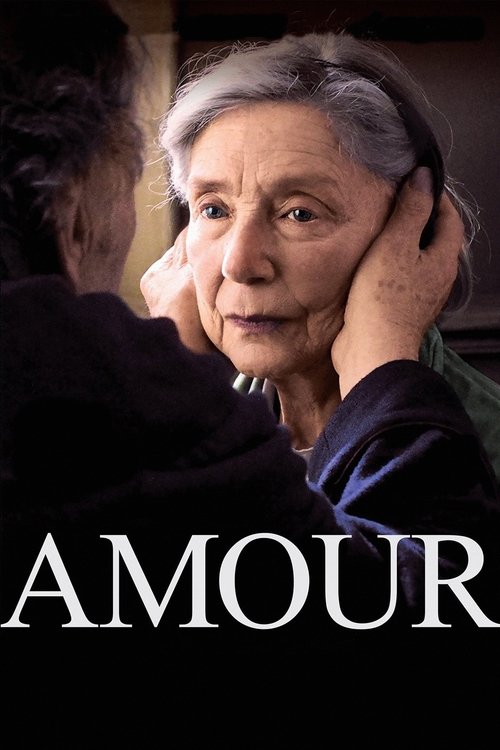
O Georges και η Anne είναι ένα ηλικιωμένο ζευγάρι καθηγητών μουσικής. Είναι ευκατάστατοι και καλλιεργημένοι, όπως μαρτυρά το αξιοζήλευτο παριζιάνικο διαμέρισμά τους, γεμάτο παρτιτούρες, δίσκους, βιβλία και άλλα μικρά μνημεία της πλούσιας κοινής τους ζωής. Δεν ξέρουμε τίποτα για το κοινό τους παρελθόν, για τα νεανικά χρόνια του έρωτά τους και για τα χρόνια της κοινής τους συμβίωσης. Ξέρουμε όμως εξαρχής το αναπόδραστο τέλος τους.
Η «Αγάπη» δεν παίζεται σε κινηματογράφους αυτή τη στιγμή.
Ακολούθησε την ταινία στην εφαρμογή για ειδοποίηση όταν προστεθούν προβολές.
Προβολές για Αγάπη, ενημερωμένες κάθε πρωί
Διάλεξε σινεμά και πάρε υπενθύμιση πριν κατέβει.
Devastating and honestly hard to watch. I’m literally horrified of becoming an old person

Jarring, moving, confrontational, emotive and deeply sincere. Any great piece of art should possess one or more of these qualities and Haneke's film simply possesses them all. And for me personally, I'd like to add soul searing.I am not that familiar with Haneke's work and the films I have seen by his hand range from brilliant to boring for me. But they all have one thing in common, they are relentless to their audience and their themes. It is therefore intriguing by default when someone like Haneke decides to explore love. This is a story that excels in its simplicity. What happens when life long lovers face the inevitable, death? How do they cope? In many a writer's hand, this notion would have turned into a shallow, melodramatic affair. Not so here. Haneke's film and script allow no room for romanticism, no free pass for cheap manipulation and certainly no breathing space for the audience's hearts. Make absolutely no mistake, this film is absolutely devastating to watch.One could argue that this film is boring as not that much happens for a long time. Haneke's way of filming makes us observers, silent ghosts that happen to pass through the final stages of a couple's life. We see everything from the mundane to the life altering, we are allowed glimpses of their past and, most importantly, we get to know them. There are moments where I wished I could look away, but Haneke doesn't allow that. There were moments where I wished I could intervene, offer comfort, do something. If you, like me, embrace this couple's plight wholeheartedly, this is what this film will do to you.The two central performances are, simply put, transcendent. They surpass that realm of performers performing. They simply are, it's as simple as that. The main reason this film works is because they completely immersethemselves in the roles. Their performances are sincere, genuine and daring. And they kind of wrecked me.Love is a word with the shallowest connotations. It has been commercialised and for the better part lost all its meaning. It is therefore that in film it often gets the same treatment. It is also, however, the basest of human emotions in all its guises. It is something that should fuel life, be it familial or romantic. What makes this film so beautiful is that it shows love in its fully developed beauty. This is old love, almost a natural symbiosis. And seeing that bond being slowly ripped to shreds by the frailty of the human body is absolutely heartbreaking. Haneke does not shy away from the ugliness of such a union. He dares show the selfish nature of the fear of being alone as well. This is perhaps best shown in a scene I feel every filmmaker should watch to learn something about conveying drama. It is the scene where the husband tries to make the wife drink something. Everything beautiful and ugly about human nature is present in that one short scene. If you've seen the film, you know what I mean. I love the fact that we really get to know these people. We get to see snippets of their past life through conversations with friends and family. These are gentle, erudite, dare I say, realistic characters. They share a passion for music that, throughout the film, provides a window out of their misery. Their story is one I am glad I witnessed, even if it made me feel miserable to my bones.I am hesitant to say this, but I am going to do it anyway. This is an important film. It explores what we are, it doesn't condone or condemn, it relates human nature. It is as beautiful as it is ugly, showing the elated to the mundane and everything in between. It is deserving of a place in cinema's canon as it is a startling depiction of what makes us human.

Just a moment...Enable JavaScript and cookies to continue
O Georges και η Anne είναι ένα ηλικιωμένο ζευγάρι καθηγητών μουσικής. Είναι ευκατάστατοι και καλλιεργημένοι, όπως μαρτυρά το αξιοζήλευτο παριζιάνικο διαμέρισμά τους, γεμάτο παρτιτούρες, δίσκους, βιβλία και άλλα μικρά μνημεία της πλούσιας κοινής τους ζωής. Δεν ξέρουμε τίποτα για το κοινό τους παρελθόν, για τα νεανικά χρόνια του έρωτά τους και για τα χρόνια της κοινής τους συμβίωσης. Ξέρουμε όμως εξαρχής το αναπόδραστο τέλος τους.
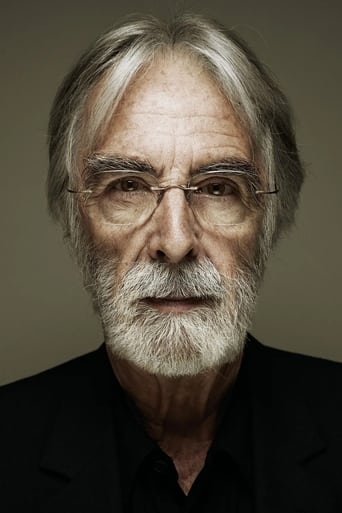
Η «Αγάπη» είναι σε σκηνοθεσία Michael Haneke.
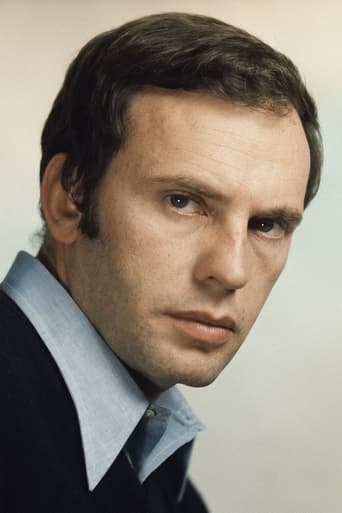
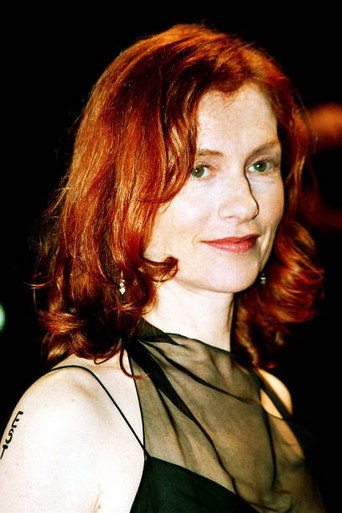
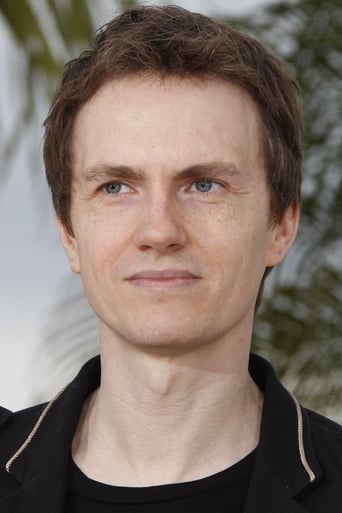
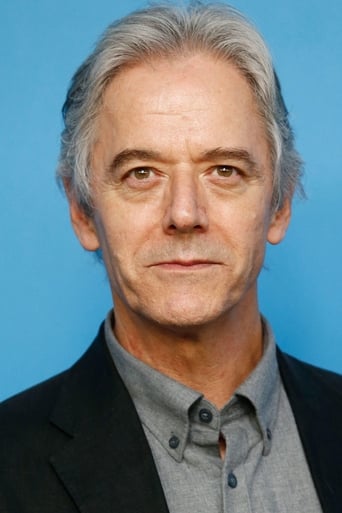
Στην «Αγάπη» πρωταγωνιστούν Jean-Louis Trintignant, Emmanuelle Riva, Isabelle Huppert, Alexandre Tharaud, William Shimell.
Η «Αγάπη» έχει βαθμολογία 4.2 στα 5, βάσει 156.080 αξιολογήσεων στο Letterboxd.