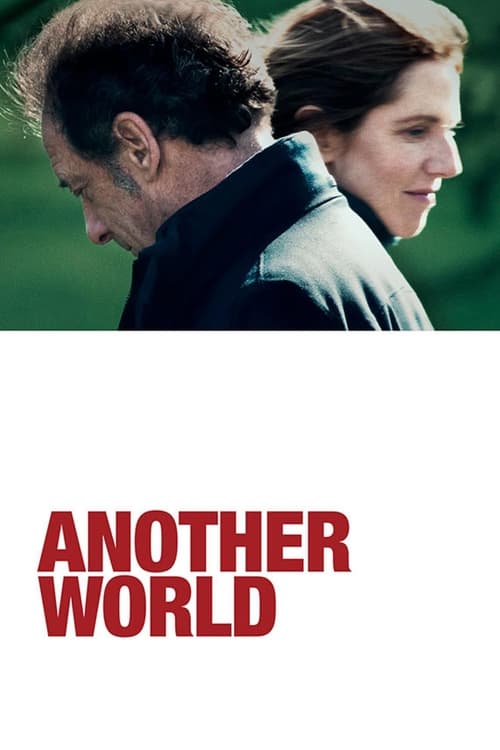
Philippe lavora per conto di un conglomerato industriale e gli viene ordinato di eseguire ulteriori tagli al personale mentre affronta problemi coniugali e la questione del figlio adolescente afflitto da problemi mentali. Questo é l’apice (o la summa dei temi) che il regista Stéphane Brizé ha raggiunto con la sua trilogia sul mondo del lavoro. Seppur poco coinvolgente rispetto ai capitoli precedenti anche qui compare la difficoltà da parte di un protagonista impotente (interpretato ancora da Vincent Lindon) nel gestire le difficoltà lavorative e quelle private (Qui sembrano acquistare un peso maggiore e una saturazione assai considerevole). Lo sguardo documentarista del regista si concentra non tanto sulla lotta e sul conflitto, ma sull’elaborazione di un piano che consenta di trovare una soluzione adatta per tutti (cosí come era stato per “In Guerra”, dove la lotta per strada era solo la diretta conseguenza del fallimento di una qualsiasi forma di dialogo). Si mettono in mostra diverse realtà, ossia quella dei dirigenti, dei lavoratori e delle loro famiglie (in primis, quella di Philippe). Brizé non tralascia niente e la colpa sembra ricadere ancora una volta su chi sta in alto, soprattutto se é di un altro paese; ironia della sorte vuole che il figlio di Philippe pensi di avere un rapporto di amicizia con Mark Zuckerberg, emblema del raggiungimento di quel sogno americano che in teoria interessa solo pochi privilegiati (I giovani si vedono nuovamente veder inevitabilmente sfumati i propri obbiettivi). I cattivi sono naturalmente altri e il regista sembra voler trovare un maggior senso di unità e resistenza all’interno di un popolo che, nel corso degli anni, é stato sempre piú diviso. Alla fine è un mondo materiale fatto di persone a contare di piú, dove mantenere la propria dignità vale molto piú di qualsiasi ricompensa, falsa o giusta che sia.—————Philippe works for an industrial conglomerate and is ordered to carry out further staff cuts, all while grappling with marital issues and the struggles of his teenage son, who suffers from mental health problems. This film represents the pinnacle—or the culmination of themes—of director Stéphane Brizé’s trilogy on the world of work. Although perhaps less gripping than the previous installments, it once again portrays a protagonist (played again by Vincent Lindon) rendered powerless as he tries to navigate both professional and personal challenges—with the latter here seeming to carry greater weight and intensity. The director’s documentary-style lens focuses less on struggle and conflict and more on the process of devising a plan that offers a solution for everyone (much like in *At War*, where street protests were merely the direct consequence of the failure of any form of dialogue). Various realities are depicted: those of the executives, the workers, and their families (Philippe’s, first and foremost). Brizé leaves nothing out, and the blame seems to fall once again on those at the top—especially if they are from another country. Ironically, Philippe’s son believes he has a friendship with Mark Zuckerberg, the embodiment of the American Dream—a dream that, in theory, is accessible to only a privileged few (Young people once again see their goals inevitably slipping away). The true villains are, of course, elsewhere, and the director seems intent on finding a greater sense of unity and resistance among a people who have become increasingly divided over the years. Ultimately, it is the human, material world that matters most—a world where preserving one’s dignity is far more valuable than any reward, whether false or deserved.
Taking a slightly less brutal approach to working-class European strife than someone like Ken Loach, Stéphane Brizé has found in frequent collaborator Vincent Lindon the perfect vehicle for exploring the sympathetic angles of this topic. Having admittedly not seen the middle film At War, I must admire the working-class trilogy that began with the continuously under-discussed The Measure of a Man and now concludes with Another World; a definite step down from where this trilogy began, but undoubtedly a take worth acknowledging.Do you have any idea how hard it is to make middle-management sympathetic? Brizé certainly would at this point in his career, and yet transplanting his muse into this undesirable role is probably the best way one could go about that challenge. With Titane, Lindon finally seems to be enjoying a jump in profile, but it’s really with Brizé that he gets to show off the full range of his skill by way of so little performative indulgence. Every line of dialogue is appropriately delivered with an almost assured hesitancy as this character is forced to make miracles out of nothing for the appeasement of stubborn higher-ups. Lindon’s Philippe Lemesle may never break down in theatrical fashion, but just one look at this guy is enough to stress you out.While Lindon is a large part of what makes Another World work, he isn’t solely responsible for its success. Brizé and Olivier Gorce craft another screenplay built almost entirely around characters discussing business hardships, and the overlapping dialogue mixed with close-quarter shooting creates an unsensational atmosphere that puts you right into the thick of the conflict with no added context needed. It’s a shame, then, that Brizé’s attempts to add more context beyond the business hinder the film overall.Aside from his continuously repetitive and, frankly, comical musical choices, Brizé’s efforts to add dimension to Lemesle’s personal life manifest in a half-assed storyline with a troubled son and a divorce subplot that’s resolved almost as instantly as it’s presented to open the film. Simply observing what this man is forced to go through in the workplace is enough to get us invested in his struggles, but these underdeveloped paddings do little beyond taking the bare presentation that worked as an advantage and recontextualizing it as more of a double-edged sword. The antsy anticipation that comes with wondering how Lindon will come out on the other side of this situation is just as present as in The Measure of a Man, but with Another World, Stéphane Brizé’s retread of familiar territory doesn’t offer quite enough new to surpass the duo’s most noted collaboration.2021 Ranked.And with that, I’d like to end this review by shouting out the asshole two rows in front of me who, during this FESTIVAL SCREENING, pulled out his goddamn MACBOOK and started typing away until I found a dialogue-free moment of the film to tell him to fuck off. I get that I was the only person sitting behind him, but come on… theatre etiquette, people!
A powerful anti-corporate film from Stéphane Brizé, whom some reviewers have called the French Ken Loach (which makes me more eager to see his other films). We're talking global corporate culture here, where the priorities are to the "shareholder" and escalating profit. Brizé humanizes his story by focusing on a factory executive who's being pressured to downsize his staff. It's another solid role for Vincent Linden, whom I increasingly see as one of France's best contemporary actors. We watch Philippe the factory manager try to play both sizes - his international corporate overseers and the workers. But he ultimately loses not only the battle but his moral core. The demands of the job also lead to his wife (Sandrine Kiberlain) divorcing him due to his absence as a husband and father. It's ultimately a tragedy and global capitalism triumphs.Brizé does a good job of including all the buzzwords - "seeking solutions", the company's "targets" meaning the returns they provide shareholders - that mask good old robber baron practices. Yet the characters never seem like stereotypes. He also highlights how this gets uniquely played out in France where there are still strong unions, even though they're undermined more and more frequently by the growing power of Wall Street,neoliberal interests and big money.In the end, one feels deeply sad for Philippe as well as for his family, which includes a college-age son who's having serious mental health problems . There's a scene where the divorcing couple is present while a broker and a young married couple tour their home, remarking on how perfect the place is for families. A scene painfully familiar to anyone who's sold their home due to divorce. Yes, we're seeing this through the eyes of a corporate manager and not the struggling workers on the assembly line. But it's a reminder that, in the end, Wall Street doesn't really give a f**k about how it's done or who gets hurt. Which is said directly to Philippe and the French corporate bosses by the American CEO - who reminded me of Elon Musk or Jeff Bezos - in a Zoom call. It's all about the payoff to the investors and those at the top.