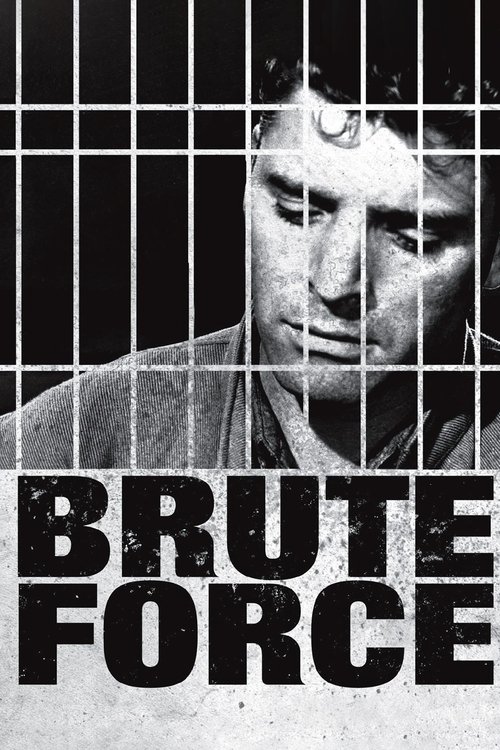
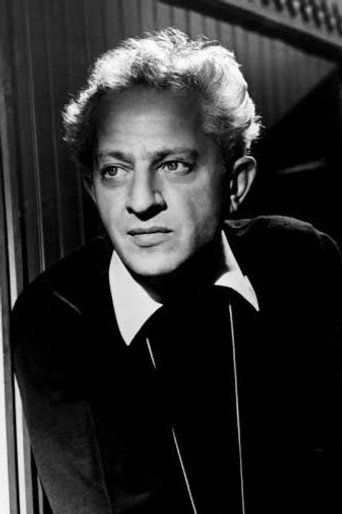
I started the film thinking it was just another one of my beloved prison escape sub-genres, but it was only after a few minutes that I realized that it was not only a prison noir, but a manifesto of disenchantment in the face of power structures. It's a film that rejects the illusion of an “existing” easy redemption; it's a cry of despair against the gears of a system that, by imprisoning bodies, destroys souls. The violence that flows from each scene (physical and psychological) is a reflection of a world ruled by dehumanizing forces, where prison becomes a metaphor for a sick, manipulative and sadistic society.At the time of release, the film was received as a work of shocking brutality, whose images and shattered souls tested the limits of what was tolerable on the screen, although I could not grasp this clearly, if we take into account the cinematographic rules of the time, it makes a lot of sense. In addition, Dassin’s direction refuses the comfort of distancing; we cannot look at the horrors of the film as something remote, the goal is really to shock by confronting the reason for this violence.The moral here is as clear as it's devastating: “Don’t go to prison”, because there you will find authorities as vile as the crimes they condemn. But, the message goes even further than a warning against literal incarceration. As the doctor observes, with a certain philosophical resignation, “no one ever escapes”, a truth that echoes both inside and outside the prison walls. The tragedy of the film is not only in the deaths that punctuate its violent conclusion but in the inevitability that every effort for freedom is crushed by the cruelty of the system. Still, despite its narrative of despair, we also end up analyzing a kind of bitter revelation: it's not the act of escape that frees us, but that of recognizing the rot of the chains that hold us. In doing this, Dassin turns his film into something more than a study of violence; he forces us to look at the brutality that resides everywhere where power is exercised without compassion.
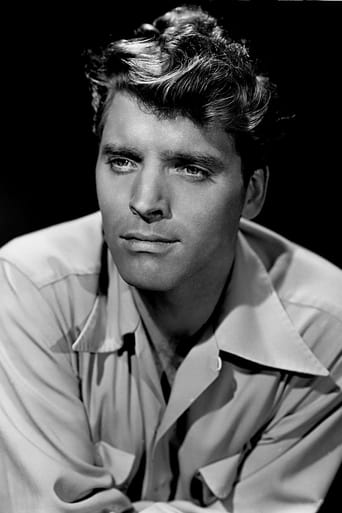
Director Jules Dassin’s hopeless men of noir are penned up in the most hopeless of all places - a high security prison - in “Brute Force.”Dassin’s noir films specialize in putting desperate men in desperate situations, with little anticipation that they will escape their preordained fates of failure. This, too, is where the audience finds the convicts in “Brute Force;” a group perhaps rightfully sentenced, but serving a sort of punishment far outweighing their respective crimes. Led by the ever-charismatic Burt Lancaster, the men of the “Brute Force” prison make a pact to escape together; not necessarily because of the life that awaits them on the outside, but simply because it means being out of the prison. The institution is dictated over by a sadist of a prison guard played by Hume Cronyn. The character is so psychopathic in his manipulation and punishment of the inmates, there is an immediate understanding why the men gamble with death to escape serving out their time. Dassin assembles a cast with several members of his Actor’s Laboratory Theater troop; a group on the forefront of Method Acting. Thus, even the supporting roles contribute to the documentary realism quality of “Brute Force,” a style Dassin would later perfect in “Naked City.” Dassin’s Actor’s Lab troop would later be roundly targeted by the ongoing anti-Communist hearings against Hollywood figures. Dassin’s name, also, would arise several times during the inquiries, and, as early as 1947, the same year as the release of “Brute Force.” The film’s unflinching depiction of violence and the failure of institutional structures make for a resounding warning cry against a persecuting authority such as HUAC. Much like the efforts of the “Brute Force” prisoners, however, the warning was a cry made to covered eyes and ears. As the movie states in its grim and prophetic conclusion, “Nobody escapes. Nobody ever really escapes.”
Between the sadistic guard captain and the intense escape sequence, this could have been a great film. Unfortunately, it wastes a lot of time on cheezy backstories for several of the prisoners that all seem to suggest they all went to prison for love. It seemed like a cop out after the brutality the film presented to show these as misunderstood, romantic men who just went too far for their women. Still, Munsey is a vicious villain. This film features some fairly gruesome moments of violence and death, and Munsey is at the root of all of them, one way or another. He's menacing, cold, and prim. He would not have been out of place in a film about Nazis. He's terrifying, and his performance put me in mind of Carl Panzram's autobiography, in which the notorious killer saves his worst invective for the guards at the various prisons he spent most of his life in. The film sets up a contrast between Munsey and the more compassionate prison doctor, but it doesn't really follow through. The ideas presented are left in the wake of the awesome climax, and even though the doctor gets the last word, it's more a down note than any capping thought.