I refuse to participate in any "greatest war movie of all time" discussions that don't feature this film at the center of discussion. It's pretty much the only good war movie I've seen, and one of the best movies I've ever seen period.
Σκηνοθεσία Thierno Faty Sow +1
Camp de Thiaroye
Ζοφερή πολεμική ταινία με διθυραμβικές κριτικές
Ένα αξεπέραστο πολιτικό φιλμ από τον Τρίτο Κόσμο, ανελέητο ράπισμα στην ευρωπαϊκή αποικιοκρατία, το Στρατόπεδο Θιαρόυ εξιστορεί τα πραγματικά γεγονότα της 30ης Νοεμβρίου 1944 στα περίχωρα του Ντακάρ. Σενεγαλέζοι στρατιώτες που πολέμησαν στο πλευρό των Γάλλων στον δεύτερο παγκόσμιο πόλεμο συγκεντρώθηκαν εκεί προκειμένου να αποστρατευθούν τιμητικά. Ύστερα όμως από μια ανταρσία που ξέσπασε όταν η γαλλική αποικιακή διοίκηση αρνήθηκε να τους δώσει τις νόμιμες μισθολογικές αποζημιώσεις, οι αποικιακές δυνάμεις δεν δίστασαν να ανοίξουν πυρ μαζικά, προκαλώντας μια ωμή σφαγή που έγινε εμβληματική για τον κατοπινό αγώνα της Ανεξαρτησίας. Η ταινία αναπλάθει ελεύθερα τις λεπτομέρειες υπακούοντας σε κινηματογραφικές αφηγηματολογικές συμβάσεις, με αποτέλεσμα ένα έργο εντυπωσιακής υποβλητικότητας που αναδεικνύει την ιστορική ουσία των συμβάντων. Παρά τις εγκωμιαστικές κριτικές που απέσπασε, το φιλμ ήταν απαγορευμένο επί μία δεκαετία στη Γαλλία, και λογοκρίθηκε επίσης από την κυβέρνηση της Σενεγάλης.
Η «Το Στρατόπεδο Θιαρόυ» παίζεται σε 1 σινεμά στο Βερολίνο - επόμενη προβολή Παρασκευή 23 Οκτωβρίου στις 19:00 στο Zeughauskino.
Επόμενες προβολές: Παρασκευή 23 Οκτωβρίου.
Πλήρες πρόγραμμα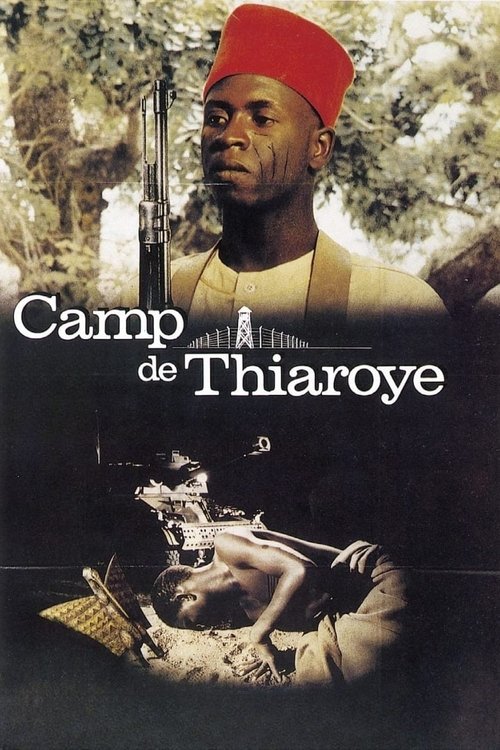
Προβολές για Το Στρατόπεδο Θιαρόυ, ενημερωμένες κάθε πρωί
Διάλεξε σινεμά και πάρε υπενθύμιση πριν κατέβει.
I refuse to participate in any "greatest war movie of all time" discussions that don't feature this film at the center of discussion. It's pretty much the only good war movie I've seen, and one of the best movies I've ever seen period.

a film like this came out in 1988 and people still consider green book progressive for 2018?

It's hard to comment on colonialism without resorting to the obvious: it was a fucking horrible thing that should never have happened. The devaluation of human beings required to view the land they were living in as up for grabs still shocks me. The treatment of them after European and American colonists arrived is a horror the scope of which has never been fully captured. Camp de Thiaroye uses a single incident in the long history of colonialism and contrasts it with the Holocaust in an attempt to make that scope known.It's fair to say this film is a trifle blunt in getting its message across, but I am not inclined to fault it for that. Watching Pays linger on the barbed wire and guard towers as he reconciles his present situation with his past in Buchenwald is a powerful moment that foreshadows how events will play out, regardless of how direct it is. The repetition in dialogue of the amount of money the soldiers are asking for seems almost like a sigil after a while. The frank appraisal of the conditions (bad food, racist provocations, etc.) sometimes do feel a little awkward, but the film is backing them up with its imagery skillfully. We are not simply being told, we are being shown and told.The only thing I knew about this going in was that it was historical fiction about the Thiaroye Massacre, about which I was unfamiliar. It became clear within moments how it would play out, though not wholly in detail. This film creates not suspense but dread as it shows the tirailleurs mutiny over continual mistreatment, letting the white officers' duplicity and callousness taint every minor victory until, at the height of triumph, the guns start firing. It's a moment of frank brutality that still can't capture the scope of horror of colonialism, but it's a reasonable try.February count: 8/28
Ακολουθεί ένα απόσπασμα Σενεγαλέζων στρατιωτών που επιστρέφουν από τον Β' Παγκόσμιο Πόλεμο, οι οποίοι κρατούνται σε στρατόπεδο διέλευσης και αντιμετωπίζουν προδοσία από τη γαλλική αποικιακή διοίκηση.
Σε σκηνοθεσία των Ουσμάν Σεμπέν και Τιέρνο Φατί Σο το 1988, σηματοδοτεί ένα σημαντικό ορόσημο στον αφρικανικό πολιτικό κινηματογράφο.
Ναι, η ταινία κέρδισε το Μεγάλο Βραβείο της Επιτροπής στο 45ο Φεστιβάλ Κινηματογράφου της Βενετίας.