

casting Maggie Cheung in your movie is basically tantamount to cheating
We use cookies to personalize your experience and analyze traffic. You can opt out at any time.

Σκηνοθεσία Stanley Kwan Kam-Pang
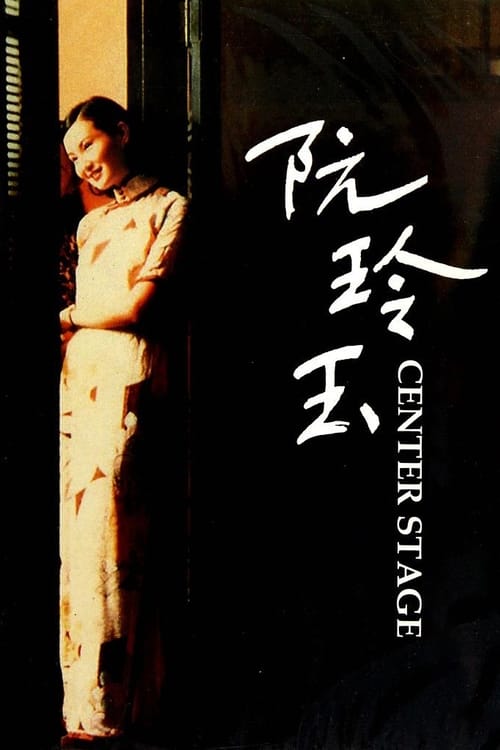
Center Stage
Θρυλικό, μουντό δράμα
Βασισμένο στην τραγική αληθινή ιστορία της πρώτης μεγάλης ντίβας του κινεζικού βωβού κινηματογράφου, Ρουάν Λινγκγιού, το έργο εξιστορεί την άνοδό της στη φήμη στη Σαγκάη της δεκαετίας του 1930.
Δεν υπάρχουν προβολές της «Σέντερ Στέιτζ» στην πόλη Λος Άντζελες σήμερα.
Προβολές για Σέντερ Στέιτζ, ενημερωμένες κάθε πρωί
Διάλεξε σινεμά και πάρε υπενθύμιση πριν κατέβει.


casting Maggie Cheung in your movie is basically tantamount to cheating

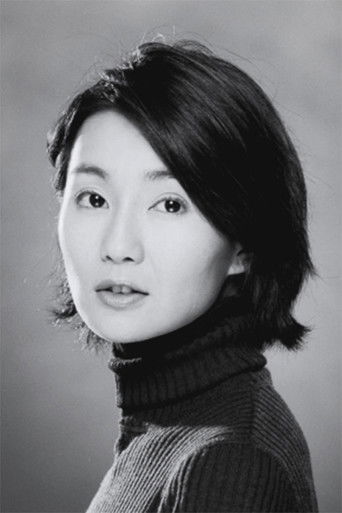
Watched the extended version.Everything that Judy should have been. This is a subtle but crushing exploration of how media eventually drove Ruan Ling-yu to suicide. It exposes a lot of the nasty sexism towards actresses back in the silent film era.It is announced at the beginning of the film that Ruan Ling-yu commits suicide. This is not a spoiler. There's actually documentary footage of the actors playing the characters in the film that discuss Ruan's influence, along with her peers. Maggie Cheung plays Ruan Ling-yu to perfection, and she never misses a beat here. Leung Ka-fai is also absolutely charming in this. My dude still looks the same thirty years later, goddamn. Watching the scenes where they recreate Ruan's films got me feeling emotional, to be honest. It sucks that a lot of her films are now forever lost.The docu-drama aspect of this film reminds me a lot of Close-Up. Towards the end when Ruan commits suicide (once again, not a spoiler), we actually see the cameras that Kwan is using to film Center Stage in the frame of certain shots. There's a meta cinematic aspect to this, where the characters are grieving for Ruan (as a character), and the real-life actors are grieving for the actual Ruan. A painful reminder of the toxic entertainment industry that treats its stars as disposable objects.

That the real Ruan died at such a young age from the pressures of scandal emphasizes how the public often scorns actors who fail to live up to their arbitrary standards, and the scenes of Cheung and Kwan discussing the actress’s life and their own responses to her reflect how even other artists cannot help but project onto their peers and antecedents. Much is said in the film’s first minutes, in which an off-screen Kwan notes that Ruan had mostly worked in lighthearted roles before moving to the Lianhua studio where she built her legacy as a serious actress. Cheung, whose career to this point had mostly consisted of playing the girlfriend in action movies, replies, “Like me!” with a jolt of excited surprise. In that moment of self-recognition are the seeds of both her own rich performance here and the film’s probing consideration of the way that all lives are performative, and that artists are merely the ones who recognize this and see how control they can exert over that image.Full review: www.slantmagazine.com/dvd/review-stanley-kwan-center-stage-on-film-movement-classics-blu-ray/
The film chronicles the life and tragic decline of 1930s Shanghai silent film icon Ruan Lingyu, blending narrative drama with documentary-style interviews to explore themes of fame and media intrusion.
Stanley Kwan, a pivotal figure in the Hong Kong New Wave, directed this 1991 film.
Yes, the film uniquely incorporates actual archival footage of Ruan Lingyu, blending it with recreations and modern-day interviews.