

al pacino sitting in an interrogation room and randomly being slapped across the face by a guy wearing nothing but a jockstrap and a cowboy hat without anyone else reacting whatsoever will never not be funny to me
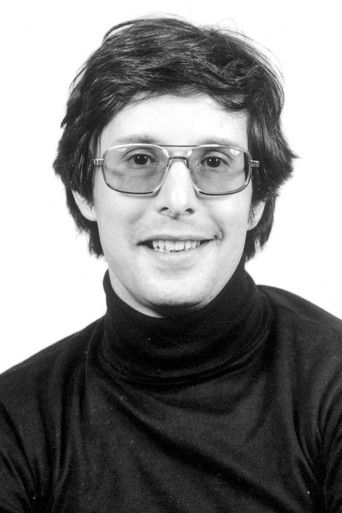
Σκηνοθεσία William Friedkin
Cruising
Σκληρή, σκοτεινή αστυνομική ταινία
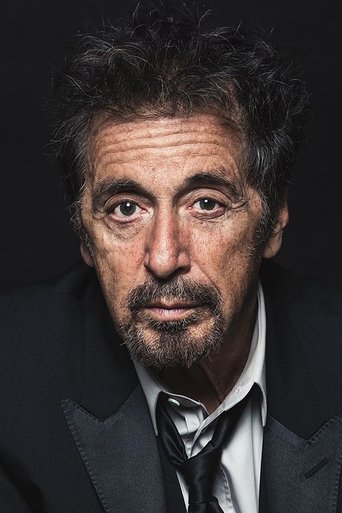
Όσα χρόνια κι αν περάσουν, φαίνεται πως το αμφιλεγόμενο, ακραία προκλητικό φιλμ του Γουίλιαμ Φρίντκιν δεν θα χάσει την ικανότητά του να σοκάρει. Με αφορμή μια μυστηριώδη δολοφονία, η κάμερα του Φρίντκιν παρακολουθεί την καταβύθιση ενός αστυνομικού (ο Αλ Πατσίνο σε μία από τις δυσκολότερες μεταμορφώσεις της καριέρας του) στα underground γκέι στέκια της Νέας Υόρκης, όπου οι σκηνές οργίων και άγριου σαδομαζοχιστικού σεξ ωθούν τον ήρωα και μαζί τον θεατή σε μια αναθεώρηση των προσωπικών τους ορίων. Κάπου μεταξύ των κραυγών που το στιγμάτισαν ως ομοφοβικό, το «Ψωνιστήρι» βλέπεται πια ως μια αυθεντική μαρτυρία για την προ-AIDS γκέι κουλτούρα της Νέας Υόρκης, αλλά και ως ένα καθηλωτικό θρίλερ που αρνείται μέχρι τέλους οποιαδήποτε καθησυχαστική λύση.
Η «Το Ψωνιστήρι» παίζεται σε 1 σινεμά στο Λονδίνο - επόμενη προβολή Τρίτη 20 Οκτωβρίου στις 18:15 στο Prince Charles Cinema.
Επόμενες προβολές: Τρίτη 20 Οκτωβρίου.
Πλήρες πρόγραμμα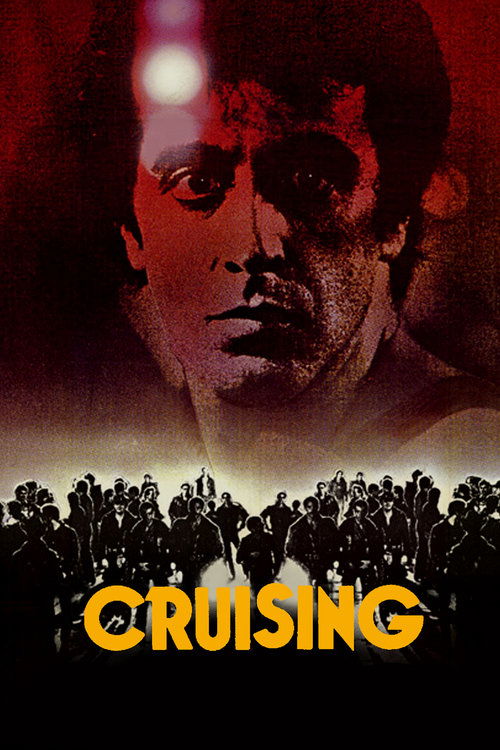
Προβολές για Το Ψωνιστήρι, ενημερωμένες κάθε πρωί
Διάλεξε σινεμά και πάρε υπενθύμιση πριν κατέβει.
al pacino sitting in an interrogation room and randomly being slapped across the face by a guy wearing nothing but a jockstrap and a cowboy hat without anyone else reacting whatsoever will never not be funny to me

Fellas, is it gay to become so deeply embedded in the signaling rituals and garb of the late 1970s New York City leather scene that you subsequently return to your prior heterosexual relationship as a tedious afterthought rather than feeling compelled to do so by consuming desire?

“You fingered him.”“I fingered him, but I didn’t think anybody was going to get that far with him.”“Sometimes you only get that one chance.”Okay, fair enough. I’d forgotten about the Black daddy cop(...?) who just shows up to smack white twunks around. There’s a reparations joke in there somewhere. It’s almost not even a matter of memory — I’ve seen the movie, granted it’s been a few years, and yet can’t claim to have seen those images before in my life. Sometimes we surprise ourselves; it feels like something I of all people would remember.Not least because it manages to be so disarmingly violent in the midst of the movie’s more obvious violence. The terrorizing tactics of the police, their self-satisfied repulsion, which bleeds into sexual overinvestment, coercion, and harassment, are the movie’s most consistent thread from the first scene — most especially in the shot that makes a fluid link between sexually coercive cops and “the” ostensible killer. The death of the neighbor, resulting in part (it seems) from Pacino’s rough encounter with the boyfriend and the jealousy it induces, feels relevant to that. The serial killer, or killers, roam, vary, appear and disappear; but the police, stably identifiable as police — even while undercover, in a cop fetish bar — leave only victims in their wake. Of all the stabbings, it’s Pacino’s attack on a gay man at the climax that I probably react to most viscerally. Him, too. Because, in contrast, it feels like all we have in the murder plot are lacunae. This felt like an easily diagnosable flaw, before, but now it’s what sticks with, nags at, intrigues, terrifies me. The links between the murders and the community being preyed upon are completely unstable. One of the Arrow featurettes points out that the killers and victims largely rotate between two actors swapping roles from one murder scene to the next, dubbed over by the actor who plays Stuart’s father (this much, I already knew), a character who’s apparently dead — so, an inner voice, a psyche speaking. Maybe. What’s clearer: there is no one murderer, no growing stable of serial victims traceable back to a single source; it’s all a reiterative, slippery, psychosexual daddy-issue jumble, a bunch of signifiers of penetrative violence and its roots that add up to an illusion of criminal coherence. The serial killings have less of a fixed center than we’re led to believe, to the extent that we’re even encouraged to believe that much, what with a whole tray of body parts still unidentified in the end. The ever-so seemingly tempted Pacino — whose own relationship to his father is subtly hinted at very early on (it’s not good, obvi) — is not immune from this spectrum of daddy-issue-violence, which is more interesting than the hints at his own temptation, or whatever you’d call it, in itself. But that part interests me, too. I do think he fucks a dude while undercover, when a successful bit of cruising in The Rambles fades, pretty pronouncedly, to black. I do think he satisfies some of his own curiosities in urging that a man hogtie him somewhat against that man’s will, or at least contrary to the man’s kinks. But I’m almost more interested in the change we see in the way he fucks his girlfriend, who reminds me very much of Michelle Williams, in Brokeback, getting flopped onto her belly for unasked-for anal sex, because her husband can’t get enough. As explanations go, the dad shit, relative to the murders and the leather scene and the minds of gay men broadly, is, well — perhaps oversimple, when broadly applied to the subculture, but unfortunately for me I can’t really talk my little shit, on that front. Moving right along: What interests me so much more is where the movie chooses to impress a clear sense of causality upon us. The gay serial killer is a moving target. But the police violence is not; it’s as 1-to-1, victim to victimizer, as it gets. And it culminates with a knife. A knife in the gut of an actor who, earlier, assumed the role of a victim; who’s speaking in the voice of his father, which is the voice of the killer, as he proclaims that he’s killed no one — at the climax of a movie in which both cruising and policing are acts of hyperinvested looking, leering, lurking, waiting. This is key to what proves terrifying about it, for me, in the end. This, and that lack of center — the implicit promise of there being no end, no answer to the violence.Of interest: Friedkin (according to Friedkin) drew on the police files of the real murders in his depictions; they informed his sense of the details, and Psycho informed what he did with those details. Also: If nothing else, the protests that tried to get this movie shut down accomplished one thing: Hundreds of police were deployed to protect this shoot — from the angry queers. (Says a producer.) So: not an anti-cop movie, exactly. But rather a movie that understands an awful lot about them — and puts its finger on a few of the mitigating realities circumscribing one aspect of one corner of underground queer life, for better and worse, accordingly.
Ένας νεοσύλλεκτος αστυνομικός διεισδύει μυστικά στην υπόγεια σκηνή δέρματος της Νέας Υόρκης για να παγιδεύσει έναν σαδιστή κατά συρροή δολοφόνο.
Το Cruising σκηνοθετήθηκε από τον Αμερικανό δημιουργό William Friedkin το 1980, γνωστό για το έργο του στις ταινίες The French Connection και The Exorcist.
Το Cruising δεν έλαβε σημαντικά βραβεία κατά την κυκλοφορία του, αν και έκτοτε έχει τύχει σημαντικής κριτικής επαναξιολόγησης.
Βρείτε τις ώρες προβολών και τη διαθεσιμότητα streaming για το Cruising στο Mood.