

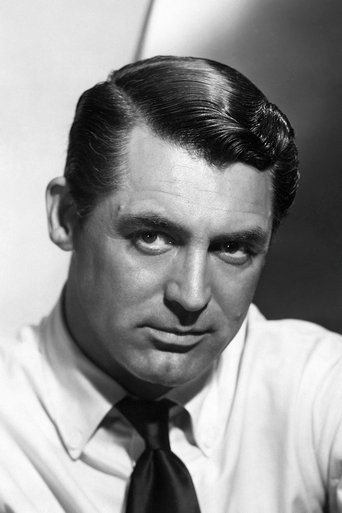
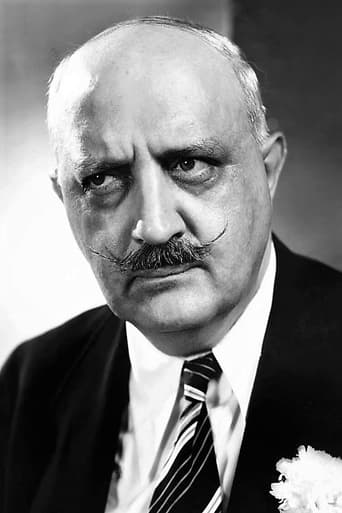

shoutout to the summary on the cary grant boxset I have that really did some linguistic gymnastics to make it sound like cary was in this for more than five seconds and was in fact a substantial secondary character
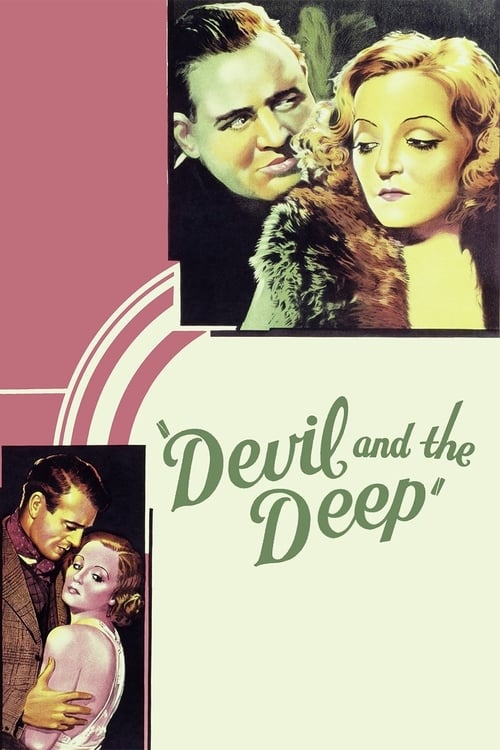
Ο ναυτικός διοικητής Τσαρλς Στουρμ κάνει τη ζωή της συζύγου του Νταϊάνα μαρτύριο λόγω της παράλογης ζήλιας του για κάθε άνδρα που πλησιάζει. Η εμμονική του συμπεριφορά τη σπρώχνει σύντομα στην αγκαλιά ενός γοητευτικού υποπλοιάρχου, και όταν ο Τσαρλς το μαθαίνει, οργανώνει την εκδίκησή του.
Η «Ο Διάβολος και η Άβυσσος» δεν παίζεται σε κινηματογράφους αυτή τη στιγμή.
Ακολούθησε την ταινία στην εφαρμογή για ειδοποίηση όταν προστεθούν προβολές.
Προβολές για Ο Διάβολος και η Άβυσσος, ενημερωμένες κάθε πρωί
Διάλεξε σινεμά και πάρε υπενθύμιση πριν κατέβει.
shoutout to the summary on the cary grant boxset I have that really did some linguistic gymnastics to make it sound like cary was in this for more than five seconds and was in fact a substantial secondary character

you looked half-dazed. that's my normal expression.gloriously messed up. entertainingly absurd. the script and the direction is as simple as it gets, but it has a very surreal atmosphere. north africa, more of a hollywood fantasy than a real place, and by that i mean sex... yet it gives the perfect backdrop for a story overflowing with jealousy. laughton so cartoonish in this, convinced that his wife is cheating with every man. whether that jealousy is rooted in mental illness or overwhelming need for control hardly matters. tallulah bankhead is excellent, trapped in an emotional torture. her affair is like the inevitable breaking point after endless humiliation. every once in a while, the film makes laughton look like a victim, which is easy to ignore. also explicitly says coop and bankhead slept together... in the desert. gary cooper is.. fine when the film needs him to be, but his character never is interesting. cary grant only has a small role, but it's fun seeing him before he fully became cary grant. it soon transforms into a submarine disaster movie... so excited to show you what it has for the next scene. so many outrageous coincidences, the ending drags longer than it should, and the supporting characters barely register. yet none of those flaws stopped me from enjoying it. pre-code hollywood had a willingness to embrace moral ambiguity and it does that even if it has flaws at every stage (what a waste of a great cast). cooper and bankhead never felt like they were in love. maybe diana was.. charles lang is the winner, blessed my eyes🙂↕️

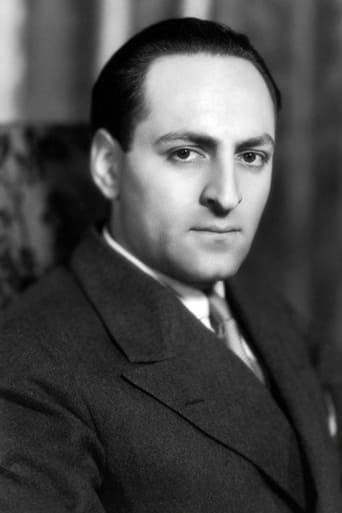
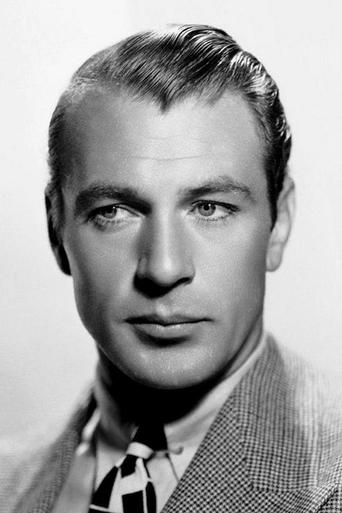
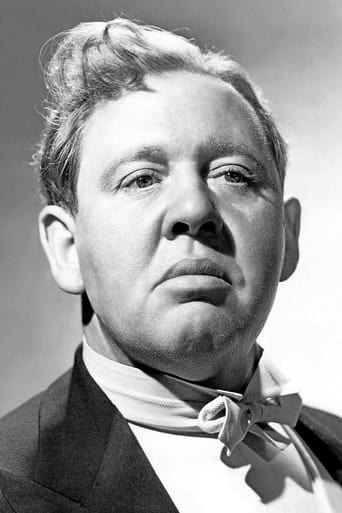
"Men can be very spiteful when they're hurt, can't they?"Legendarily, stage star Tallulah Bankhead once said that "the only reason I went to Hollywood was to fuck that divine Geary Cooper," a goal that by all accounts was realized, thanks to Devil and the Deep. Bankhead gets top billing for this Paramount melodrama as the glamorous and long-suffering Diana Sturm, trapped in an abusive marriage to a tyrannical submarine captain, but when that horrible husband is played by Charles Laughton - who gets an "introducing" title card in the opening credits that identify him as an "eminent character actor" - and Lt. Sempter (Cooper) is the third side of the love triangle, plus there's an early film appearance by Cary Grant as another potential lover, Lt. Jaeckel, it's all icing on top of an already pretty tasty cake.As with many a pre-Code feature, Diana slots into the "fallen woman" trope, though we recognize that she was pushed toward her infidelity by a cruel spouse given to verbal and physical torment, so hungry was she for even a night's worth of genuine affection. Commander Charles Sturm is a relentless taskmaster both above and below sea level, so paranoid about his wife's capability for cheating that he manifests it happening for real ("Does it amuse you to torture me?" "Oh, Charles, you're torturing yourself!") and then weaponizes her conduct against both her and his officers (the ultimate charge of wickedness: "She couldn't restrain herself!"), attempting to drown them all via an outrageous suicide by submarine crash (!) when he steers his vessel into the path of a luxury liner. It's pretty wild!While you may not find anyone describing Paramount workhorse Marion Gering as an auteur among the studio's directors from that time, the film has an impressive number of stylish flourishes, like Charles Lang's lustrous B&W cinematography (truly gorgeous in this Kino Lorber Blu-ray restoration), editing techniques from Otho Lovering that are reminiscent of Soviet cinema (ex. a frenzied montage of revelers celebrating a holiday in the South African seaport locale; a quick cut to an extreme close-up on Charles's eyes when he sniffs the scent of Diana's perfume on Sempter's transfer papers, immediately connecting the dots about their romance), a small supporting role for my dear favorite Gordon Westcott as another of Charles's subordinates, and of course the extraordinary sequence in which Diana is rescued from the sub after it has sunk to the bottom of the ocean, putting an oxygen mask on while dressed in a fabulous Travis Banton-designed black evening gown and string of pearls, her high heels magically never leaving her feet as she rises up from the murky depths to the surface. The camp majesty of Tallulah ascending!Included on the disc is a commentary track by film historian David Del Valle, offering up as fun a read on the proceedings as I expected. Similarities to both Cooper's earlier hit Morocco (the studio may have even reused the sets?) and Laughton's later Oscar-nominated performance in Mutiny on the Bounty are obvious points of comparison, but the factoids and observations made along the way are what really make this track a hoot. Understandably, Paramount was trying its hardest to recapture the Marlene Dietrich mystique by molding Bankhead in her image, which never worked because they didn't appreciate that she was an original herself; here she crafts "an amazing portrait of an unfulfilled and oppressed woman," her performance rendered as "a heap of emotional nerve endings all a-tingle." At the same time, she was a complicated figure offscreen, reportedly driving Laughton crazy by refusing to shake his hand upon meeting him (Elsa Lanchester claimed Laughton told her that Bankkhead's excuse was that he had dirty fingernails) and saying "hello, I'm Tallulah Bankhead and I'm thrilled to have you in MY movie," she frequently referred to Laughton as "Charlotte" and also liked to play loud music on the set in between takes. (Laughton, meanwhile, took some pleasure in having to shoot four takes of a painful slap that happens early in the story, leaving marks on Bankhead's face every time that had to be covered up by more and more makeup.) And don't think that Bankhead got along any easier with "window dressing" Cary Grant either; apparently she specially requested him for his role, but when she flirted with him and he turned her down, she resented the rejection. It's no wonder that when Bankhead and Grant were slated to star in a Blood and Sand remake, the project never came to fruition, handled by Tyrone Power and Rita Hayworth instead in 1941.But for all the tension that existed on that set, there was true admiration and respect from Charles Laughton for Gary Cooper. Del Valle marvels over the "femininity and beauty and sensuality" of Cooper's looks, but more importantly, assesses that "it's what he doesn't do [as an actor] that's so compelling… it's an instinctive thing," while Laughton stated that Cooper "gets it from the inside" and saw him as "the paragon of film acting." Laughton, for his part, was still in the process of learning how best to utilize the camera, so it's evident that the scene in which Charles unravels from jealousy, bemoaning his sad state of affairs in his claustrophobic submarine quarters by addressing Sempter's physical beauty ("It must be a happy thing to look like you do. I suppose women love you… I've never had that. Must be a happy thing. I'm in love with my wife, you know. She, of course, has never been in love with me."), the ways in which Laughton distorts his face to make his character's inner ugliness outwardly visible was undoubtedly all of his own design, not the script.As is the case with other Laughton characters from the time, Charles is viewed as unlovable and/or incomplete, emphasized by our awareness of the actor's own queer identity. Del Valle notes Charles's habit of telling "'funny' stories that aren't funny" by repeating a joke that's run into the ground with each dinner party or luncheon repetition, but no matter what façade he wears in public, he has a wife who can't feel for him. This is all the more fascinating when seeing Laughton paired with Bankhead, whose bisexual (or, as she liked to call them, "ambisextrous") exploits were well-known in Tinseltown, to say nothing of Cary Grant's presence. Remember that movie stars had to sign morality clauses when under contract in those days, swearing they wouldn't get up to any untoward (or un-hetero) hijinks in their personal lives, so that's one of the many reasons why Tallulah Bankhead was so unsatisfied with that faction of the acting industry.Still, for as fine a job as Del Valle does in praising Devil and the Deep's alluring spotlight on studio-created exotica, he doesn't ever mention the infamous and iconic Tallulah quote highlighted at the top of the review, and for that, you know, I gotta take some points off. Everything else, though? A glorious night at the movies!"Do you want to go home?""No…""Well, then, what do you want?""I want never to have been born."The Films of Charles Laughton & Elsa Lanchester: Ranked (So Far)The Films of Gordon Westcott: Ranked (So Far)
Η εμμονική ζήλια ενός ναυτικού διοικητή για τη σύζυγό του την ωθεί σε μια εξωσυζυγική σχέση με έναν υποπλοίαρχο, η οποία κορυφώνεται με επικίνδυνη ένταση πάνω σε ένα υποβρύχιο.
Ο Marion Gering σκηνοθέτησε το Devil and the Deep το 1932 ως ένα πρώιμο προ-κώδικα μελοδράμα του Χόλιవుτ.







