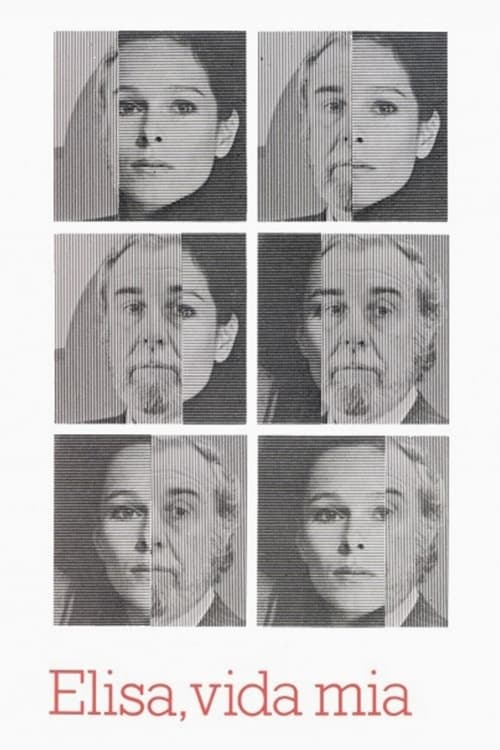
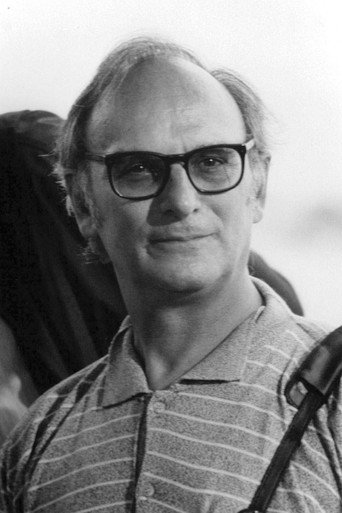
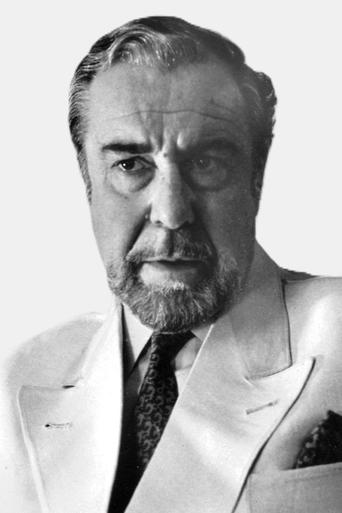
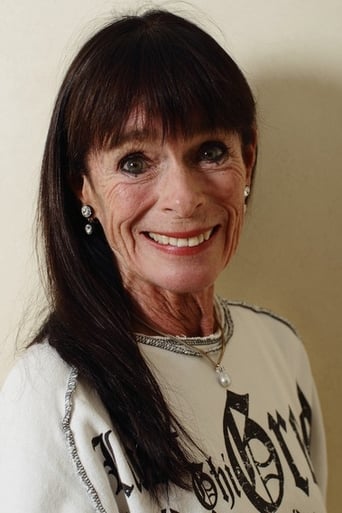


Carlos Saura’s death earlier this year at the age of 91 didn’t seem to attract as much global attention as perhaps it should have, considering he was among the last surviving art-house directors to have emerged during the era of the various New Waves. He was also the only one of those directors I actually saw in person; he was at a screening of the retrospective documentary Saura(s) I attended back in 2018. It turns out I have several of his films sitting on my DVR, so I’ll try to work my way through them before the year of his passing ends.This was Saura’s follow-up to the film most people regard as his masterpiece, 1976’s Cría Cuervos, a meditation on Francisco Franco’s death and Spain’s return to the rest of democratic Western Europe. Although its focus is more abstract, Elisa, Vida Mía has several thematic connections to that earlier film, including a child’s fraught relationship with one of her parents and the place of women in Spain’s traditionally machismo culture (a conversation still worth having in view of Luis Rubiales’ recent treatment of Jennifer Hermoso).Relieved at the opportunity to get away from her husband, the title character (Geraldine Chaplin) visits her father (Fernando Rey) for the first time in nearly a decade. Rey abandoned his family years earlier. Now he’s recovering from surgery, and Chaplin’s sister (Isabel Mestres) thinks the time Chaplin and Rey spend together may heal lingering wounds. Surprisingly, Chaplin and Rey get on well. Of course, it helps that, in light of her own crumbling marriage, Chaplin has new sympathy for Rey. Rey is equally sympathetic toward Chaplin; he doesn’t try to convince her to return to her husband (Norman Briski) when Briski shows up unannounced. All the same, there’s still tension between father and daughter. Is it the adult child’s anxiety over an elderly parent’s decline, or is it Rey’s tendency to incorporate Chaplin’s problems into his own private writings? The fact that Chaplin plays her character’s mother, too, suggests incest.Saura aimed to demonstrate that he was in conversation with world cinema, not just about the state of his nation. Casting Rey, and casting Chaplin in two roles (which Saura did in 1967’s Peppermint Frappé, too), indicates the most obvious point of reference was Saura’s unofficial mentor Luis Buñuel. But the films of Ingmar Bergman were clearly on his mind, as well. Shortly after arriving at Rey’s rural home, Chaplin literally steps back into her own past, à la Wild Strawberries. Saura also plays around with the narrative. The film begins and ends with Chaplin’s arrival at Rey’s rural home. The first time it’s narrated by Rey, as if he’s willing her to come in his writing; the second time by Chaplin, as if she’s remembering it and has taken up her father’s pen. In between, we see them reunite in her mother’s urban apartment, suggesting an alternative reality. Also, after arguing with Briski, Chaplin imagines herself as a murdered woman Rey told her about earlier.I’m not sure all that experimentation adds up — I think the film is at its best in its quieter, more observational moments — but it’s often interesting and provocative. Rey has been teaching theater to a class of students at a school run by nuns, and one of the girls’ lines contends, “On this stage, life is but a performance.” In short, this is a meditation on the nature of artifice, including filmic artifice, rather than politics. For my money, though, the most compelling reason to watch this film is Rey’s excellent performance. It won him the acting prize at Cannes.